
How to Enhance Consumers’ Purchase Desire Through Product Packaging Design?

In the modern consumer market, consumers face an ever-increasing number of product choices, especially on physical shelves and e-commerce platforms, where similar products often appear simultaneously. If the packaging fails to quickly attract attention, consumers may not even be interested in learning more about the product. Therefore, packaging design is no longer just a matter of product appearance, but a crucial factor influencing consumers’ purchase desire. Often, consumers are not first attracted by the product’s functions, but rather by the packaging, and only then decide whether to continue reading product information. The so-called “purchase desire” is essentially a psychological drive. When consumers see the packaging and feel, “This product looks good,” “This might suit me,” or “I’m willing to try it,” a purchase desire has already formed.
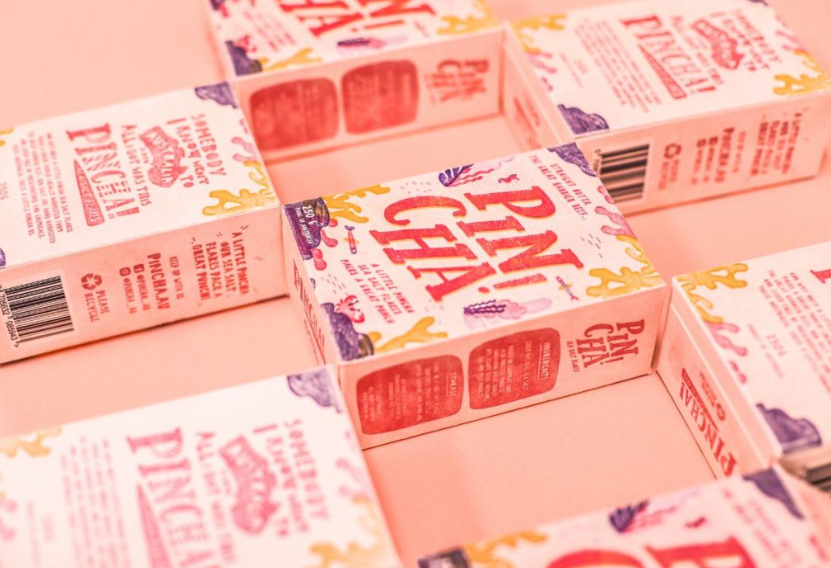
This feeling is not solely built through advertising; the packaging itself is the most direct visual stimulus. Color, structure, material, graphics, and the way information is presented all influence consumers’ emotional judgment. Furthermore, enhancing purchase desire does not equate to making the packaging complex. Truly effective packaging design can typically accomplish three things in a short time: first, attract consumer attention; second, allow consumers to quickly understand the product’s value; and third, evoke emotional identification in consumers. If the packaging design can simultaneously satisfy these three points, it is easier to drive consumers to make a purchase decision.
How to Enhance Consumers’ Desire to Buy?
- Strengthen Visual Appeal
When choosing a product, the first thing consumers see is the packaging. Therefore, packaging must have sufficient visual appeal to stand out among numerous products. This appeal doesn’t simply rely on complex patterns, but rather on color contrast, layout structure, and visual focus to make consumers notice the product at first glance. For example, high-contrast colors can quickly grab attention, while large areas of white space can make key information stand out more. Many excellent packages create a “first focal point” visually, allowing consumers to quickly understand what the product is and what its features are. When a product is seen immediately, the probability of consumers learning more about it naturally increases.
- Highlight the Product’s Core Selling Points and Value Information
Many consumers don’t have much patience when shopping, so packaging must convey the most important information in a short time. If everything on the packaging is equally important, consumers won’t be able to grasp the key points. Therefore, in the design, it’s necessary to clearly define the product’s core selling points and place them in the most prominent position. For example, health foods can emphasize “low sugar” and “high protein,” skincare products can emphasize “gentle” and “repairing,” and beverages can emphasize “refreshing” or “energy replenishment.” The easier it is for consumers to understand the product’s advantages, the easier it is for them to make a purchase impulse. One of the core aspects of packaging design is to help consumers reduce their thinking costs and quickly determine “is this the product I need?”
- Establishing Emotional Associations Through Color and Style
Packaging colors and overall style directly affect consumers’ emotions. For example, warm colors easily bring vitality and appetite, natural colors easily convey a sense of health and environmental protection, while black and gold are more likely to reflect a high-end feel. Consumers often have emotional reactions to visual atmosphere, and this emotion directly affects their desire to buy. In addition to color, overall style is also very important. Youthful products usually adopt lively and creative designs, while high-end brands tend to favor simplicity and sophistication. When the packaging style is consistent with the aesthetics of the target user, consumers are more likely to develop a sense of identification. This emotional identification makes the product not just “look good,” but “feel suitable for them.”
- Optimizing Packaging Structure and User Experience
When consumers buy products, they not only pay attention to the appearance but also consider whether it is convenient to use. If packaging looks complicated, difficult to open, or inconvenient to carry, it will affect the willingness to buy. Therefore, structural experience is equally important in packaging design. For example, adding easy-tear openings to food packaging, using magnetic structures for gift boxes, and enhancing portability design for e-commerce products can all improve the user experience. When consumers feel that a product is “easy to use,” they are more likely to have the desire to buy. Especially in repeat-purchase products, the packaging experience can even directly affect the repurchase rate. Good packaging design is not only to attract consumers to buy, but also to make consumers feel “comfortable to use.”
- Enhancing the sense of product quality and trust
Consumers usually judge the quality of a product through its packaging. If the packaging looks rough and cheap, even if the product itself is of good quality, it is easy to reduce consumer trust. Therefore, improving the sense of quality through materials, printing processes, and detail control is an important way to enhance the desire to buy. For example, using thick paper, frosted finish, partial hot stamping, or exquisite printing can make the product look more professional and reliable. At the same time, clear and standardized packaging information will also enhance consumers’ sense of security. Many consumers are willing to buy certain products not because they understand the product in depth, but because the packaging gives them a sense of “trustworthiness.”
- Creating a Sense of Ritual During Unboxing and Use
Besides visual appeal, packaging can enhance the consumer’s emotional experience through the unboxing process. Especially in gift boxes, high-end products, and e-commerce products, the unboxing experience has become a crucial part of boosting purchasing desire. For example, multi-layered structures, neat arrangement, small cards, or detailed designs can all make consumers feel “valued” when unpacking. When users find the unboxing process interesting or exquisite, they are more likely to develop a positive impression of the brand. In fact, many consumers are willing to buy certain products not just for their functionality, but for a complete experience. If packaging design can create this sense of experience, it is easier to drive consumer behavior.
What kind of packaging design stimulates purchasing desire?
Packaging that stimulates purchasing desire usually forms a unified expression on visual, informational, and emotional levels. Consumers, upon seeing it, will quickly understand the product’s value and generate positive emotions. Ordinary packaging, on the other hand, often lacks focus; either the information is too cluttered or the visuals are bland, making it difficult for consumers to develop interest. In terms of market performance, packaging with a design that encourages purchasing desire is more likely to be picked up, clicked, or shared by consumers, while ordinary packaging is easily overlooked. At the brand level, the former (packaging design) is more likely to build consumer goodwill and brand recall, while the latter (packaging design) struggles to establish long-term competitiveness. This difference illustrates that packaging design not only affects product appearance but also directly impacts consumer behavior.
Frequently Asked Questions
Q: Does more complex packaging increase the desire to buy?
A: No, clarity is more important than complexity.
Q: Does color really influence consumer purchasing decisions?
A: Yes, different colors can influence consumer emotions and judgment.
Q: Does packaging design affect the perceived quality of a product?
A: Yes, consumers often judge quality through packaging.
Q: Does the unboxing experience affect the desire to buy?
A: Yes, a positive experience enhances brand affinity and impulse buying.
How can different products enhance the desire to buy through packaging?
For example, snack packaging often uses high-contrast colors and realistic food images to enhance appetite; skincare packaging uses simple designs and high-quality materials to enhance the sense of quality; beverage products use bright colors and refreshing graphics to convey taste associations; and gift boxes enhance the perceived value of the product through structural hierarchy and the ritual of unboxing. These examples illustrate that while different products may have different design approaches, the core goal is to create a “want to buy” reaction in consumers upon seeing the packaging.
Enhancing consumer purchasing desire through product packaging design is not simply about pursuing “aesthetics,” but rather about using visual appeal, informational expression, emotional association, and user experience to work together to build goodwill and trust in consumers within a short period. From color and structure to materials and the unboxing experience, every detail influences consumer judgment. Only when packaging truly considers the consumer’s perspective can the desire to buy be effectively stimulated.

