
How to Enhance Product Added Value Through Packaging Design?

In today’s competitive market, the functional differences between products are gradually diminishing, and consumers are increasingly focusing on the overall experience and emotional connection when making purchasing decisions. In this context, packaging design has become a crucial tool for enhancing product added value. Added value refers not only to price increases but also to consumers’ comprehensive perception of product quality, brand image, and user experience. Well-designed packaging can make an ordinary product appear more premium and create a pleasant purchasing and usage experience, thus encouraging consumers to pay a higher price. Simultaneously, packaging can strengthen brand positioning through visual expression, material selection, and functional design, making the product stand out from the competition. Especially in e-commerce and social media environments, attractive packaging is more easily shared and disseminated, further expanding product influence.
Six Design Directions for Enhancing Added Value
• Enhance Visual Texture
Employ clean typography, sophisticated color schemes, or refined printing techniques to make the product appear more upscale.
• Optimize Material Selection
Use higher-quality or more environmentally friendly materials, such as thicker cardboard boxes or biodegradable materials, to enhance the sense of quality.
• Strengthen Brand Expression
Through a unified visual style and brand elements, build consumer trust and identification with the brand.
• Enhance Functional Experience
For example, reusable, easy-to-store, or multifunctional designs increase its usability.
• Incorporate Emotion and Story
Use illustrations, copywriting, or cultural elements to make packaging more personal and memorable.
• Create an “Unboxing Experience”
Through layered design or attention to detail, create a sense of ritual for consumers when opening the packaging.
The Difference Between Standard and High-Value Packaging
Market performance reveals a clear difference between standard and high-value packaging. Standard packaging typically prioritizes cost control, with simpler designs that primarily fulfill basic functions; while high-value packaging focuses more on the overall experience, with meticulous design from visual appeal and tactile feedback to the user experience. Visually, high-value-added packaging tends to be simpler and more unified in style, while ordinary packaging may be cluttered and lack focus. High-value-added packaging also tends to use high-quality or environmentally friendly materials, while ordinary packaging prioritizes low cost. High-value-added packaging emphasizes details, such as opening mechanisms and tactile design, while ordinary packaging pays less attention to these factors. This difference leads consumers to naturally perceive higher quality in high-value-added packaging, thus being willing to pay a higher price.
Regarding Value-Added Enhancement
Q: Can packaging really increase product price?
A: Yes, packaging directly influences consumers’ judgment of product quality.
Q: Is high-value-added packaging always very expensive?
A: Not necessarily. Through design optimization, the perceived quality can be improved within a reasonable cost.
Q: Are all products suitable for high-end packaging?
A: It depends on market positioning; different products are suited to different levels of design enhancement.
Q: Is emotional design truly effective?
A: Yes, it is effective in enhancing consumer memory and brand favorability.
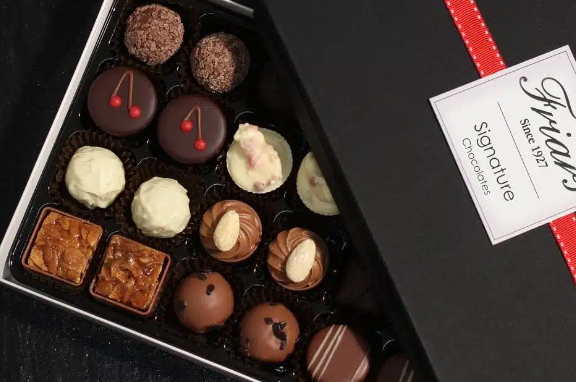
In the gift market, some ordinary food items can command significantly higher prices through exquisite gift box packaging, as the packaging itself adds “gift value.” In e-commerce, some brands design unique unboxing experiences to encourage consumers to share on social media, creating a viral effect. In the daily necessities industry, using consistent and high-quality packaging designs makes products appear more professional, enhancing consumer trust. Other brands use eco-friendly packaging to convey their brand philosophy, attracting specific consumer groups. Packaging should not only be aesthetically pleasing but also functional, and consistent with the brand positioning. It should avoid simply pursuing extravagance or complexity, instead focusing on enhancing the overall experience through thoughtful design. Only by fulfilling basic functions and integrating design with brand strategy can packaging truly become a crucial means of enhancing product value, generating greater consumer recognition at the perceptual level, and effectively increasing added value.

