
How to Match Fonts in Packaging Design?

In packaging design, typography not only conveys information but is also a crucial visual element in shaping brand image. Many design failures stem not from poor graphics, but from problems with font selection and pairing. Too many fonts create clutter, while overly monotonous fonts lack hierarchy. Establishing a clear, harmonious, and orderly typography system within limited space is a core issue that packaging design must address. The first thing consumers see when they receive a package is usually the brand or product name. Font style directly impacts this first impression. Strong fonts convey professionalism, rounded fonts offer friendliness, delicate fonts appear elegant, and high-contrast fonts are more impactful. Therefore, font selection is not arbitrary but an integral part of brand expression. Different product categories, price points, and target consumer groups should be matched with different font styles. Furthermore, given the limited space on packaging boxes, information hierarchy must be clear. Titles, subtitles, functional descriptions, ingredient lists, etc., need to establish readability through variations in font size, weight, and spacing. A well-balanced font combination can enhance visual rhythm, allowing consumers to quickly grasp the key points.
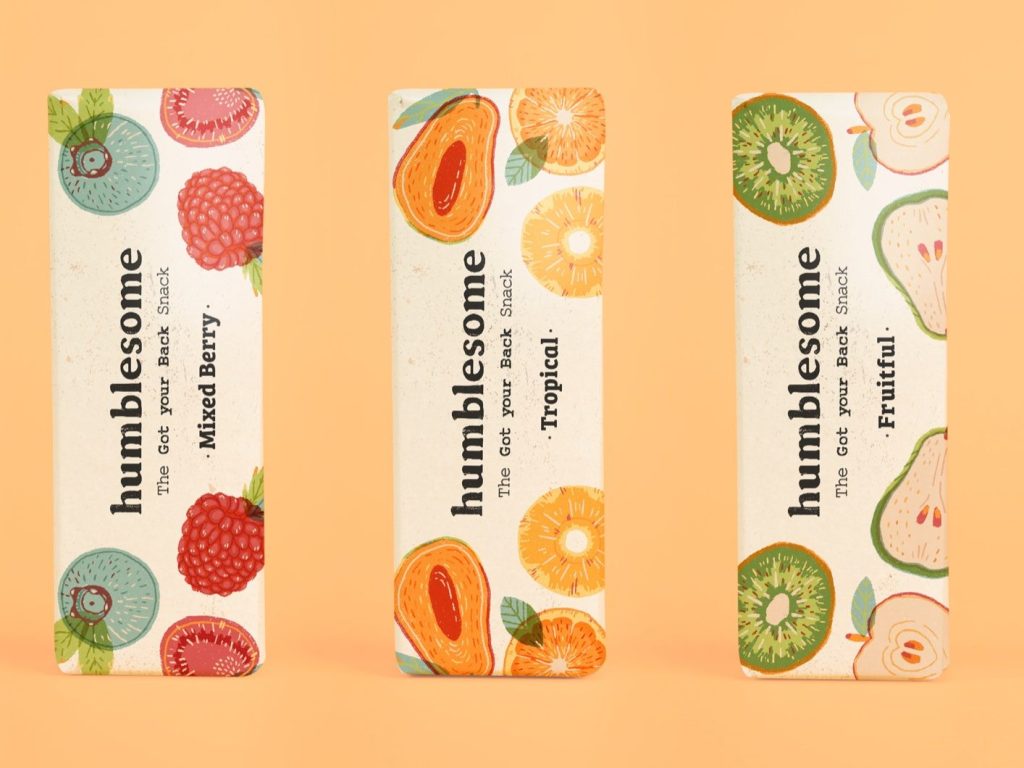
Control the Number of Fonts
The first principle of font matching is restraint. It’s recommended to use no more than two or three fonts on a single packaging box. Too many fonts will disrupt the overall unity.
Basic combinations include:
· One main title font
· One body text font
· One special emphasis font (optional)
Two fonts are sufficient unless there are special requirements. Variations in size and weight can create rich layers without frequently changing font types.
Establish Hierarchical Relationships
Font hierarchy determines the reading order. When typography, first distinguish between primary and secondary information.
Hierarchical division can be achieved through: differences in font size, font weight, and color contrast
For example, the brand name should be the largest, the product name slightly smaller, and the feature description even smaller. Clear hierarchy allows consumers to understand the key points of the content in a short time.
Maintain a Consistent Style
Font style must revolve around the brand’s tone.
Common matching ideas:
Modern brands use sans-serif fonts
High-end products use thin or high-contrast fonts
Traditional products use fonts with a cultural feel
Different font styles convey different emotions. If the main title is modern, the body text should also remain simple, avoiding the sudden use of classical decorative fonts, which would create visual imbalance.
Pay attention to font proportions. Font size proportions directly affect the harmony of the layout.
Reasonable proportion methods include:
Main title to subtitle ratio approximately 1.5
Body text font size moderate, ensuring readability
Sufficient line spacing
If the proportion difference is too small, the hierarchy is unclear; if the difference is too large, it appears abrupt. The proportion relationship should transition naturally.Consider printing effects. There are differences between screen display and print quality.
When designing, pay attention to: overly thin fonts may be unclear in print; complex strokes are easily blurred at small sizes; contrast between light and dark colors affects readability.A proof test should be conducted before official printing. Especially when using light fonts on a dark background, ensure sufficient contrast.Adjusting letter and line spacing. Font selection is not only a matter of choice but also includes typographical details.
Optimization Methods:
— Increase letter spacing appropriately to enhance a premium feel.
— Control line spacing to avoid crowding.
— Maintain neat paragraph alignment.
Too small a letter spacing will appear oppressive, while too large a spacing will lose its overall cohesion. Moderate adjustments can improve the overall quality.
Consistent Brand Font:
If the brand already has a standard font, it should be used first.
Consistency methods include:
· Maintaining the brand font throughout all products.
· Consistent headline style across different packaging.
· Establishing a brand-specific font system. Long-term use of the same font can enhance brand recognition. Fonts are not just typesetting tools, but also brand assets.
In packaging box design, control the number of fonts, clearly define the hierarchy, and ensure the style aligns with the brand positioning. Visual effects can be enriched without increasing the variety of fonts by adjusting font size ratios, weights, and spacing. Font pairings should follow the principles of controlling quantity, establishing hierarchy, unifying style, reasonable proportions, optimizing printing effects, adjusting spacing, and strengthening brand consistency. Font design may seem like a detail, but it directly affects the overall sense of quality.

