
How to Prevent Products from Moving Around Inside Packaging Boxes?

Even when a packaging box is properly sealed, hearing products bump against each other inside can raise concerns about their condition after shipping. This is especially true for glass bottles, skincare products, electronic accessories, and gift sets. When products repeatedly shift during transit, they may develop scratches, break, or become dislodged from their intended positions. Simply switching to a thicker outer box may not solve the problem. Effective custom packaging boxes need to address product placement, support points, and potential impacts during transportation. Getting these details right makes packaging more practical and improves product protection.
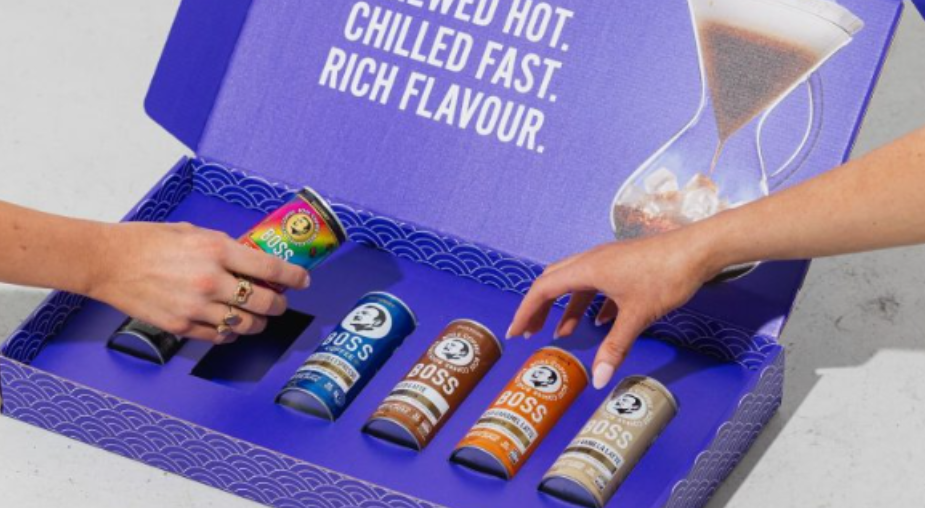
Why Do Products Move Around Inside Packaging Boxes? Identify the Problem First
Products usually shift inside a box because of incorrect sizing, poor placement, or inadequate securing structures. Rather than continually adding more filler, start by identifying where the product lacks support.
- Too much empty space: Large gaps between the product and the box walls allow items to slide around during transportation. Even lightweight products can repeatedly bump against the box, even when the outer packaging shows no visible deformation.
- Insufficient bottom support: Bottled products and heavier accessories may still tilt during transit if they are secured only at the sides.
- No dividers for multiple items: When different products share the same box without individual compartments, they can rub against and damage one another.
- Cushioning in the wrong position: Filler placed only at the top or along one side may not prevent movement. It can also distribute pressure unevenly.
If the existing packaging frequently has these problems, review the box dimensions and internal structure instead of simply increasing the paperboard thickness.
Which Packaging Insert Should You Choose? Paperboard, Foam, or Corrugated Dividers?
Packaging inserts do more than fill empty space. They need to keep products secure while making packing and removal convenient. Different materials provide different types of support and suit different products.
| Insert Type | Suitable Products | Main Function | Key Design Considerations |
| Paperboard inserts | Cosmetics, food gift sets, lightweight products | Secure products and organize compartments | Slot dimensions, fold lines, and support points |
| EVA or foam inserts | Glass products, electronics, precision components | Cushion impacts and hold products in place | Cavity shape, material density, and removal space |
| Corrugated dividers | Multi-bottle packs, canned products, shipping packages | Separate products and reduce collisions | Compartment dimensions, bottom support, and divider stability |
No single insert material works for every product. Lightweight items can often be secured with paperboard slots, while fragile products require closer attention to cushioning and positioning. Choosing the right structure is often more effective than simply adding more filler. For boxes containing several different items, custom compartments can keep everything organized while making packing and inventory checks easier.
How Should You Determine Custom Packaging Box Dimensions? Don’t Overlook These Details
The internal space should not be too tight or too loose. An oversized box allows products to move, while an undersized one may put pressure on caps, edges, or product surfaces. Before designing the packaging, measure the product’s actual length, width, and height, including protruding parts, protective film, and insert thickness.
For products with regular shapes, slots can initially be designed around the physical dimensions and adjusted after sampling. Products with irregular shapes or delicate surfaces require additional checks to ensure that the insert contacts the right areas without causing damage. There is no universal clearance that works for every product. Final dimensions should be confirmed through physical fitting, removal, and transportation tests.
If a product comes in several sizes, test both the largest and smallest versions in the sample box. Checking only one size may lead to problems during mass production: larger items may not fit, while smaller ones may not be held securely.
What Should You Test During Custom Packaging Box Sampling to Reduce Shipping Damage?
Sampling should involve more than checking the appearance. Place the product inside, close the box, and simulate actual handling and removal to identify problems that may not be obvious from the design drawing. For products requiring long-distance shipping, consider appropriate drop, vibration, and stacking tests before deciding whether to adjust the insert or outer box structure.
- Check how much the product moves: Gently shake the closed box and observe whether the product slides from side to side or bounces noticeably up and down.
- Test repeated placement and removal: Insert and remove the product several times to ensure that the slots do not catch on caps, scratch surfaces, or pull the insert out with the product.
- Inspect the packaging under pressure: Check that the insert does not collapse, dividers remain in place, and the closed lid does not press against the product.
- Test different product sizes: If the product range includes multiple dimensions, verify that larger items fit and smaller ones remain secure to prevent compatibility issues during mass production.
If the product still moves during testing, adjust the slot positions, insert shape, or box dimensions before adding more cushioning. This makes it easier to identify the real cause and avoids spending money on unnecessary thickness or filler.
If your current packaging cannot hold products securely, or you want a neater unboxing experience, consider custom packaging boxes with inserts designed around your products. INS PACKAGING provides packaging structure design, paperboard inserts, protective cushioning, sampling, and mass production services. Share your product dimensions, weight, and intended use to evaluate a suitable box style and securing solution that balances product protection, packing efficiency, and brand presentation.

