
How to select materials for packaging box design?

In packaging box design, material selection is a crucial factor in determining product quality, cost control, and user experience. Many people focus on visual design, but in reality, materials are the foundation of the entire packaging effect. Different materials not only affect appearance but also directly relate to the packaging’s strength, durability, and environmental friendliness. If materials are chosen inappropriately, even the most exquisite design may encounter problems in actual use, such as deformation, damage, or poor feel, thus affecting the consumer’s overall impression of the product.
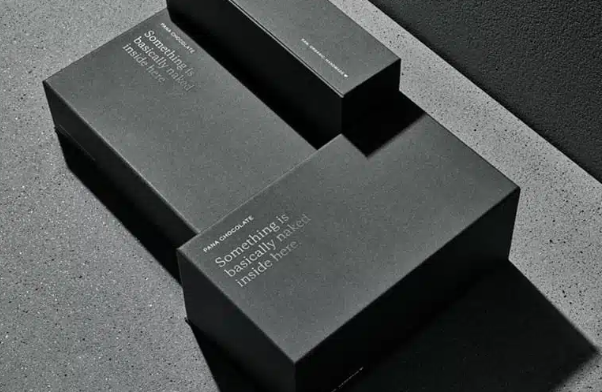
With increasing market competition, consumers have higher demands for packaging. It not only needs to be aesthetically pleasing but also practical, environmentally friendly, and aligned with brand positioning. For example, high-end products often require higher-quality materials, while everyday consumer goods emphasize a balance between cost and practicality. Furthermore, the choice of packaging materials also affects subsequent printing and processing effects. For instance, certain specialty papers are more suitable for hot stamping or embossing, while ordinary paper is more suitable for mass production. Failing to consider these factors beforehand may increase costs or reduce the overall effect during production.
Consider the product attributes
Material selection should first be based on the product itself. Different products have different packaging requirements. Factors such as weight, shape, and fragility all influence material selection. Ignoring these factors can render the packaging ineffective.
For example:
· Electronic products require sturdy cardboard to prevent crushing.
· Food packaging requires moisture-proof and oil-proof materials.
· Fragile goods require additional cushioning materials.
Selecting materials based on the product is the most basic and crucial principle.
Define brand positioning
Packaging materials must align with the brand image. Different product positioning requires significantly different materials. Materials are not only functional carriers but also part of the brand expression. For example: high-end brands often use specialty paper and thick grey board to convey quality; younger brands can choose lightweight, colorful materials; environmentally conscious brands tend to use biodegradable or recycled materials. Material selection should allow consumers to perceive brand value through touch and sight.
Choose within budget
Material costs account for a large proportion of overall packaging expenses. Pursuing only high-end materials can lead to excessive costs, affecting product pricing.
Common Cost Control Methods:
· Use ordinary paper with high-quality printing to enhance the effect.
· Use high-end materials selectively, rather than using them throughout.
· Select the appropriate material grade based on order volume.
Reasonable cost control makes packaging more competitive in the market.
Is the Strength Sufficient?
Packaging materials must possess sufficient strength. Especially during transportation and warehousing, packaging needs to withstand a certain amount of pressure. If the material is too thin or lacks strength, it is prone to deformation or damage.
Specific considerations include:
· Does the cardboard thickness match the product weight?
· Are the edges and corners easily damaged?
· Is structural reinforcement necessary?
Strength is a crucial factor in ensuring product safety.
Does the Surface Finish Match the Product Positioning?
Different materials present different visual and tactile effects. When selecting materials, it is necessary to consider whether the material suits the design style. For example, some materials are more suitable for matte finishes, while others are better suited for glossy finishes.
For example:
Matte paper: understated and delicate, suitable for high-end packaging
Glossy paper: vibrant and reflective, suitable for fast-moving consumer goods
Textured paper: increases tactile feel and enhances uniqueness
The surface finish of the material directly affects the consumer’s first impression.
Process Compatibility
Materials must support the processes used in the design. Different materials have varying adaptability to processes; for example, not all materials are suitable for effects like hot stamping, embossing, and UV coating. Common examples: specialty paper is better suited for embossing and hot stamping; glossy paper is better suited for UV coating; some materials are not suitable for complex printing. Confirming material and process compatibility before design can avoid later problems.
Environmental Considerations
Environmental protection has become an important trend in packaging design. More and more consumers are concerned about whether packaging is environmentally friendly; therefore, recyclability and biodegradability must be considered when selecting materials. Practical measures include: choosing renewable paper materials, reducing plastic use, and avoiding multi-layered composite materials. Environmentally friendly material selection not only meets policy requirements but also helps enhance brand image.
Supply Stability
The stability of material supply also affects design decisions. If materials are difficult to supply long-term, it may lead to inconsistencies in later production, affecting product uniformity.
For example:
· Choosing common materials makes bulk purchasing easier.
· Avoid using scarce or customized materials.
· Confirm supplier capacity. A stable supply ensures long-term production consistency.
Actual sample verification
Material selection ultimately needs to be confirmed through prototyping. Theoretical selection cannot fully reflect actual results; samples provide a direct assessment of whether materials meet expectations. During sampling, it’s crucial to check: whether the feel aligns with brand positioning; whether color reproduction is ideal; and whether strength meets requirements. Sampling is an indispensable step in the material selection process.
Material selection in packaging design involves numerous considerations, from product attributes and brand positioning to cost control, strength requirements, surface finish, process compatibility, environmental factors, and supply stability. Each aspect can influence the final result. Only by comprehensively considering these factors can the most suitable material be selected. Sampling verification and actual testing reveal potential problems and allow for improvements. For example, insufficient material strength can be addressed by changing the thickness, and unsatisfactory results can be adjusted by modifying the surface treatment. This iterative verification process ensures that the final packaging meets design expectations and possesses excellent performance. Reasonable material selection not only improves packaging quality but also effectively controls costs and enhances market competitiveness. Excellent packaging is not only visually appealing but also embodies value through tactile feedback and use, all of which rely on scientific and rational material selection decisions.

