
Is Packaging Printing Suitable for Paper Packaging?

Paper packaging is widely used in the food, electronics, cosmetics, and gift industries, and packaging printing technology directly affects the packaging’s appearance, brand presentation, and the quality of product information presentation. Many companies consider whether paper materials are suitable for high-quality printing when choosing packaging solutions. In fact, paper packaging is not only suitable for printing, but also has significant advantages in color reproduction, process compatibility, and environmental friendliness.
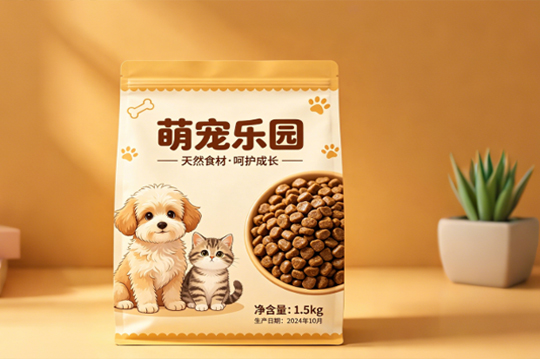
Paper Materials Have Good Printability
The surface of paper typically has high flatness, allowing ink to adhere more evenly, making it ideal for packaging printing. Whether it’s a brand logo, product description, or complex patterns, they can be clearly presented on the packaging surface. Different paper types can also adapt to different printing needs; for example, coated paper is suitable for fine color printing, while kraft paper is more suitable for natural and minimalist packaging styles. In actual production, paper packaging is compatible with various processes such as offset printing, flexographic printing, and digital printing, thus having a very wide range of applications.
Paper Packaging is Suitable for Multiple Printing Processes
Paper packaging can be used with various printing methods, thus offering high flexibility in packaging design and production.
- Offset printing is suitable for mass production of color packaging.
- Flexographic printing is suitable for environmentally friendly packaging.
- Screen printing can enhance texture effects.
- Digital printing is suitable for small-batch customization.
- Hot stamping and UV coating can improve the quality of packaging.
A wide range of printing process options allows paper packaging to stand out more visually and in terms of brand presentation.
More Stable Color Performance
During packaging printing, color effects directly affect the consumer’s visual experience. Paper materials typically have good ink absorption capabilities, thus maintaining more stable color output. High-quality paper produces clearer color gradations after printing, and pattern details are more easily displayed. For food packaging, gift box packaging, and cosmetic packaging, stable and vibrant colors can enhance product appeal. Some special papers can also have their gloss enhanced through surface treatment, making the overall packaging more upscale and recognizable.
High Flexibility in Paper Packaging Processing
Besides basic printing, paper packaging can undergo various post-processing treatments to enhance its appearance and practicality.
- Lamination enhances moisture resistance.
- Embossing adds a three-dimensional texture.
- Die-cutting is suitable for special packaging shapes.
- Spot UV coating highlights key patterns.
- Hot stamping is suitable for high-end gift box designs.
These post-processing methods enrich the layers of paper packaging and meet the packaging needs of different brands.
Environmental Trends Drive the Growth of Paper Packaging Applications
As environmental protection concepts gain increasing attention, the application ratio of paper packaging in the market continues to rise. Compared to some plastic packaging, paper materials are easier to recycle and degrade faster, thus better aligning with the current trend of green packaging development. Many brands prioritize environmentally friendly paper when upgrading their packaging, while combining it with high-quality packaging printing processes to enhance their brand image. For consumers, environmentally friendly packaging not only improves brand favorability but also makes it easier to form a quality perception. Therefore, paper packaging still has significant development potential in the future market.

