
Key Considerations for Ink and Paper Selection in Cake Box Printing

Cake boxes not only serve as packaging and protection but also as an important medium for brand visual presentation. During the printing process, the choice of ink and paper directly affects the finished product’s appearance, safety, and packaging durability. Especially in the food packaging sector, material selection is crucial not only for print quality but also for oil resistance, moisture resistance, and contact safety standards. Therefore, understanding the key considerations for ink and paper selection in cake box printing is of practical significance.
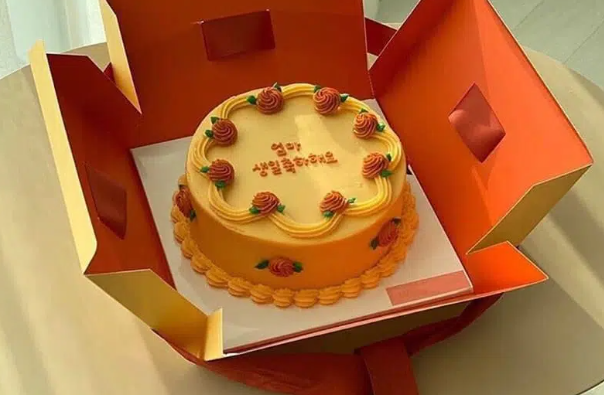
Food Packaging Inks: Safety and Adhesion Performance are Key Considerations
Cake boxes are food contact packaging, so ink selection cannot solely focus on color performance; safety properties and stability must also be prioritized. Inks used in food packaging typically need to meet relevant safety requirements, minimizing the risk of harmful substance migration and ensuring that they do not fade due to friction, moisture, or temperature changes during packaging use. Adhesion is also a critical indicator; if the ink and paper bond is unstable, the printed pattern is prone to peeling off, affecting the overall packaging quality. For packaging like cake boxes, which combines display and functional needs, ink safety and adhesion performance often need to be considered simultaneously.
Ink Type Affects Printing Results and Usage Performance
Different types of inks are suitable for different printing needs. In cake box printing, the choice of common inks affects color reproduction, drying speed, and surface abrasion resistance. Ordinary printing inks are suitable for basic graphic output, while packaging designs requiring high visual performance focus more on color saturation and detail reproduction. If the packaging needs to withstand grease environments, the ink’s oil resistance should also be considered to reduce surface contamination. Choosing the appropriate ink type based on usage requirements is often more important than simply pursuing vibrant colors.
Paper Material Selection Affects Structural Strength and Oil Resistance
Cake boxes not only need to bear the weight of the product but also withstand grease penetration and moisture, making paper material selection crucial. Common packaging papers differ in stiffness, thickness, and surface treatment; different papers are suitable for different types of cake packaging.
- High-stiffness paper is suitable for supporting heavy cake structures.
- Coated paper helps improve oil resistance.
- Food-grade cardboard is suitable for balancing safety and printing quality.
- Surface-coated paper helps enhance moisture resistance.
- Double-layer composite structures are suitable for improving overall durability.
Choosing paper based on packaging function requirements can balance structural protection and printing quality.
Ink and Paper Matching Affects Printing Quality Stability
Even if only high-quality ink or high-specification paper is selected, improper matching can affect the printing results. Different paper surfaces have different ink absorption properties, which directly affect color performance, drying effect, and pattern clarity. Excessive absorption may cause colors to appear grayish, while insufficient absorption may cause smudging. The surface treatment of the paper also affects ink adhesion; therefore, it is usually necessary to select a suitable ink system based on the characteristics of the paper before printing. Proper material matching ensures more stable printing quality and reduces post-production problems.
Functional Requirements and Brand Design Should Be Considered Simultaneously
Cake box printing is not just a matter of material selection; it also requires balancing functional needs with brand presentation. If only visual design is emphasized while neglecting the paper’s oil resistance and structural performance, the packaging may fail in actual use. Conversely, if only functional stability is pursued while ignoring print quality, brand recognition may be weakened. A more reasonable approach is to comprehensively determine material options based on product positioning, packaging purpose, and transportation requirements, ensuring that ink selection and paper configuration simultaneously meet both usage and display requirements. This way, cake box packaging can achieve a balance between practicality and brand value.

