
Knowledge of Beer Packaging Box Printing and Pressure-Resistant Structural Design

Beer packaging boxes are not only important tools for transporting and storing beer, but also crucial carriers for brand promotion and product image display. During the design and customization process, printing knowledge and pressure-resistant structural design directly affect the aesthetics, durability, and transportation safety of the packaging. Mastering relevant knowledge helps improve the quality of beer packaging and enhances brand competitiveness.
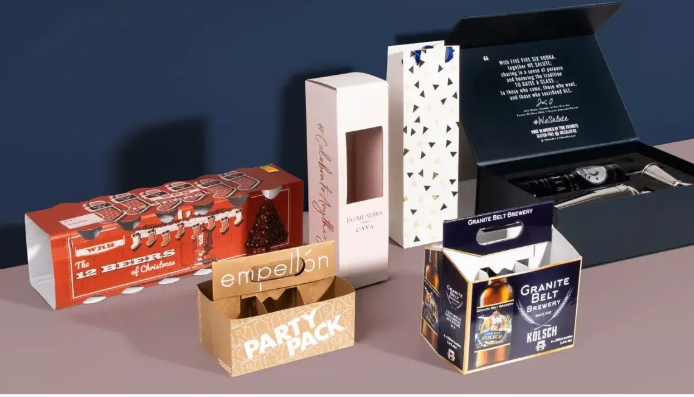
Packaging Materials and Printing Adaptability
Beer packaging boxes commonly use corrugated cardboard and high-strength cardboard. These materials are both load-bearing and suitable for various printing processes. High-strength corrugated cardboard can withstand the weight of the beer and the pressure of transportation, reducing the risk of box deformation or breakage. Material selection also affects printing results; a smooth surface helps to present clear patterns and brand logos, while food-grade coatings or waterproof treatments protect the printed patterns and box quality.
Key points for material selection include:
- Pressure resistance and load-bearing capacity: Ensuring that multi-layer stacked transport does not easily collapse.
- Moisture resistance: Beer is susceptible to humidity, making moisture-proof treatment of cardboard crucial.
- Environmental friendliness: Biodegradable materials align with the trend of green packaging.
A well-chosen combination of materials ensures both packaging durability and provides a foundation for effective printing.
Printing Processes and Brand Presentation
Beer packaging boxes utilize various printing processes, including offset printing, flexographic printing, screen printing, and embossing. Offset printing is suitable for large areas of color and intricate patterns, enhancing brand prestige; flexographic printing is cost-effective, suitable for mass production, and exerts less pressure on the cardboard, reducing box deformation; screen printing is suitable for partial decoration or special color effects; embossing adds texture to the packaging, making the beer box more visually impactful.
Selecting the right printing process not only improves visual appeal but also enhances the durability and pressure resistance of the packaging box, preventing the printing process from compromising the box’s structural strength.
Principles of Pressure-Resistant Structural Design
Beer packaging boxes need to withstand significant pressure during transportation and storage; therefore, pressure-resistant structural design is crucial. Proper folding methods, reinforcing ribs, and box support structures effectively distribute pressure, preventing deformation due to stacking or compression. The design must also consider the arrangement and spacing of the beer bottles inside the box to minimize collisions and breakage. Meanwhile, reinforced designs should be used for the corners and load-bearing surfaces of the box to improve overall pressure resistance.
Integration of Printing and Pressure-Resistant Structure
Printing and pressure-resistant structure need to be closely integrated. Thick ink or localized hot stamping may increase localized pressure on the box, affecting its load-bearing capacity. Therefore, the printing position and method must be rationally arranged during the design phase. Using food-grade inks or environmentally friendly water-based inks not only ensures safety but also reduces negative impacts on the box structure. The printed pattern should be coordinated with the structural design to maintain aesthetics without weakening the box’s pressure resistance.
Post-Processing and Protective Measures
Post-processing after printing can enhance the durability and protection of the packaging box. Common methods include:
- Lamination: Enhances moisture resistance and protects the printed pattern.
- UV Coating: Increases abrasion resistance and reduces scratches during transportation.
- Localized Varnishing or Embossing: Highlights brand logos while strengthening local structures.
Post-processing techniques can balance aesthetics and functionality, ensuring the safety of beer during transportation and storage.
Transportation and Stacking Considerations
Beer boxes are frequently stacked during transportation, so their pressure resistance directly impacts beer safety. A well-designed box and printing layout can reduce deformation and impact damage. The use of environmentally friendly materials and protective coatings also helps maintain box integrity. When designing and customizing, companies need to comprehensively consider aesthetics, load-bearing capacity, environmental friendliness, and cost to ensure that the packaging both protects the product and enhances the brand image.
Market Trends and Innovation
As the market demands higher safety and brand experience from beer packaging, box design is increasingly trending towards high-end and personalized designs. The combination of innovative structural design, environmentally friendly materials, and intelligent printing technology makes beer packaging both beautiful and durable. In the future, beer packaging boxes will focus more on brand communication and consumer experience while ensuring pressure resistance, thereby enhancing market competitiveness.
Beer packaging box printing and pressure-resistant structural design are inseparable. From material selection, printing processes, and pressure-resistant design to ink usage and post-processing, every step affects the quality and performance of the packaging. A scientific understanding of these aspects ensures that beer remains intact during transportation and storage, enhances brand image, and provides consumers with a safe and high-quality product experience.

