
Knowledge of Electronic Product Packaging Box Printing and Shockproof Design

In the electronics industry, packaging not only serves the functions of protection and transportation but also directly impacts brand image and user experience. As product precision continues to increase, the requirements for packaging box printing quality and structural design are also rising. It must possess excellent visual appeal while providing reliable shockproof protection during transportation, placing higher standards on the overall design.
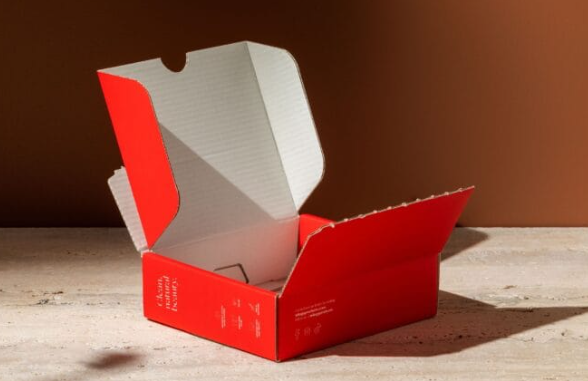
Common Printing Processes for Electronic Product Packaging
Electronic product packaging boxes typically employ offset printing, UV printing, or digital printing. Offset printing is suitable for mass production, producing relatively delicate patterns and stable colors; UV printing can enhance surface gloss, giving the packaging a more textured feel; digital printing is suitable for small-batch or customized needs, offering greater flexibility. In practical applications, the choice is made based on product positioning and production scale to achieve a balance between cost and effectiveness.
Visual Design and Brand Expression
Packaging boxes play a crucial role in showcasing brand image. Color matching, layout, and typography all influence consumers’ first impression of the product. Electronic products typically favor a minimalist, high-tech design style, enhancing their overall quality through well-placed white space and meticulous layout. Simultaneously, brand logos and key information need to be clearly presented so users can quickly identify product features.
Key Points of Shock-Resistant Structure Design
During transportation and warehousing, shock-resistant design is a crucial aspect of electronic product packaging, requiring optimization in both structure and materials:
- Selection of internal cushioning materials, such as EVA, pearl cotton, or molded pulp, to absorb impact;
- Layered structural design, using multiple layers of support to reduce product collisions with external surfaces;
- Fixing method design to maintain product stability within the packaging, preventing damage from movement;
- Enhanced outer box strength, using thickened cardboard or reinforced structures to improve overall pressure resistance;
These designs effectively reduce the risk of damage during transportation.
Material Selection and Environmental Requirements
Electronic product packaging materials need to balance strength and environmental friendliness. Common materials include corrugated cardboard, grey board, and various cushioning materials. With increasing environmental protection requirements, more and more companies are adopting recyclable or biodegradable materials to reduce their environmental impact. Optimizing material usage structure while meeting protective performance standards helps reduce resource consumption and enhance brand image.
Balancing Transportation and User Experience
Packaging design must consider not only transportation safety but also the user’s unpacking experience. A well-designed structure allows users to easily remove the product while avoiding the inconvenience of complex disassembly. In logistics, packaging also needs to adapt to stacking and handling requirements while maintaining stability. Achieving a balance between safety and convenience improves the overall user experience, making packaging not only practical but also possessing strong perceived value.
Electronic product packaging boxes have high requirements in terms of printing and shockproof design. By selecting appropriate processes, optimizing the structure, and using suitable materials, product protection can be enhanced while improving brand performance. Continuously refining design details helps packaging play a greater role in practical applications.

