
Knowledge of Paper Beverage Box Printing and Environmental Trends

Paper beverage boxes not only hold liquids but also serve as a platform for brand promotion and environmental image display. Printing processes, material selection, and environmental trends are closely related, directly impacting the packaging’s aesthetics, durability, and environmental friendliness. Mastering relevant knowledge helps companies optimize design and production, enhancing product competitiveness.
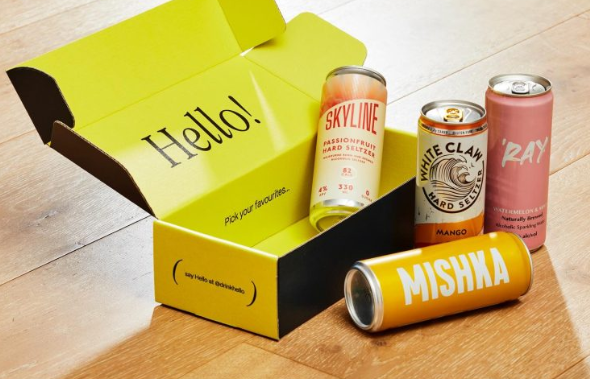
Material Selection and Printing Adaptability
Paper beverage boxes typically use high-strength cardboard or composite cardboard, materials that combine load-bearing capacity with printability. High-density cardboard has a smooth surface, allowing for clear patterns and brand logos, while composite cardboard enhances waterproof, moisture-proof, and pressure-resistant properties through its multi-layered structure. Material selection not only determines the printing effect but also affects the safety of the beverage box during transportation and storage.
Material selection should consider:
- Moisture-proof performance: Preventing beverage leakage or box deformation due to moisture.
- Load-bearing capacity: Ensuring the beverage box does not collapse during multi-layer stacking and transportation.
- Environmental friendliness: Biodegradable and recyclable materials align with green packaging trends.
A well-chosen combination of materials ensures both excellent printing quality and packaging performance, while also meeting environmental protection requirements.
Common Printing Processes and Applications
Paper beverage box printing processes are diverse, including offset printing, flexographic printing, screen printing, and embossing. Offset printing is suitable for large-area color and intricate pattern designs, enhancing brand prestige. Flexographic printing is suitable for mass production, offering low cost and minimal pressure on the cardboard. Screen printing is primarily used for partial decoration or special color effects, while embossing enhances the texture and feel of the packaging, making the beverage box more visually impactful.
When selecting a printing process, it is essential to comprehensively consider the design effect, production cost, and material compatibility to ensure the packaging is aesthetically pleasing and durable.
Environmentally Friendly Inks and Safety
Paper beverage box printing typically uses water-based or soy-based inks. These environmentally friendly inks are safe, non-toxic, and meet food contact standards. Using environmentally friendly inks not only protects consumer health but also reduces printing waste pollution. During the printing process, it is also necessary to control ink thickness and coating uniformity to ensure printing quality and moisture resistance.
Post-processing and Durability
Post-processing after printing helps improve the durability and visual appeal of beverage boxes. Common methods include:
- Lamination: Glossy or matte lamination enhances moisture resistance while protecting the printed design.
- UV Coating: Increases abrasion resistance and fade resistance, extending the lifespan of the packaging.
- Spot Varnishing or Embossing: Highlights brand logos and key designs, enhancing tactile feel and visual depth.
Combining post-processing with printing technology not only elevates the packaging’s quality but also provides protection for beverage transportation and storage.
Design Structure and Environmental Considerations
The design structure of beverage boxes is equally important for both environmental protection and printing quality. A well-designed folding structure and reinforcing ribs can reduce material usage, lower production costs, and improve packaging durability. Internal dividers or trays can secure the beverage and prevent damage during transport. Transparent windows or ventilation holes should be made of environmentally friendly materials to meet display requirements without compromising overall protective functionality.
Logistics Protection and Environmental Trends
Paper beverage boxes are easily damaged by compression and moisture during transportation and storage, making logistics protection solutions essential. Environmentally friendly materials and protective coatings can extend packaging life and reduce transportation losses. With the popularization of green consumption concepts, recyclable, biodegradable materials and water-based inks have become the mainstream in the market. By optimizing logistics protection solutions and environmentally friendly designs, companies can achieve cost savings and environmental goals.
Market Trends and Innovation
The paper beverage box market is showing trends towards environmental friendliness, lightweighting, and customization. The combination of innovative materials, intelligent printing equipment, and creative design allows beverage boxes to achieve a balance between aesthetics, durability, and environmental friendliness. In the future, companies will pay more attention to the application of green materials and sustainable design, while enhancing brand value and user experience through refined printing processes.
Paper beverage box printing involves multiple aspects, including material selection, printing processes, environmentally friendly inks, post-processing, and design structure. A scientific understanding of these aspects can improve packaging aesthetics, extend its lifespan, meet environmental trends and market demands, and bring higher brand value and consumer recognition to companies.

