
Knowledge of Pharmaceutical Packaging Box Printing and Anti-counterfeiting Technology

Pharmaceutical packaging boxes play a vital role in the pharmaceutical industry, not only providing protection and transportation but also directly impacting information transmission and brand recognition. The combination of printing quality and anti-counterfeiting technologies can effectively enhance product safety and market credibility. Mastering relevant knowledge is of practical significance for improving packaging quality and standardizing production.
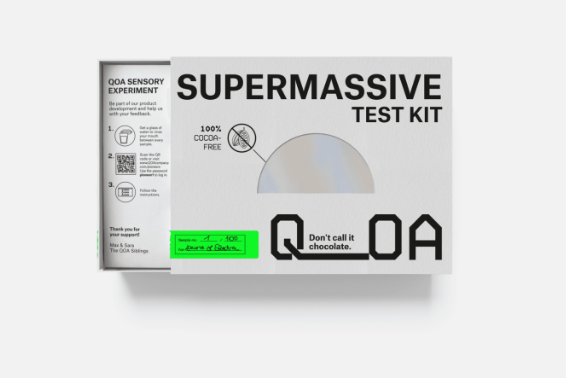
Structural and Functional Characteristics of Pharmaceutical Packaging Boxes
Pharmaceutical packaging boxes typically use a paper structure, possessing good formability and printability. Their design needs to balance protective performance and display effect, ensuring the stability of the medicine while making the information clearly visible. The box structure is often foldable, facilitating transportation and storage, and also enabling mass production. In practical applications, structural strength and opening methods also affect the user experience.
The Impact of Printing Processes on Packaging Box Quality
The printing process directly determines the visual effect and information presentation quality. Common processes include offset printing, flexographic printing, and digital printing, each with its own characteristics in color reproduction and detail rendering. High-precision printing ensures clear text edges and uniform color blocks, thereby improving overall quality. Strict control of color difference and registration accuracy is required during the printing process to avoid affecting the packaging effect.
Commonly Used Surface Treatment Techniques
To improve the appearance and durability of color boxes, surface treatments are commonly used:
- Lamination: Improves wear resistance and moisture resistance, making the packaging more durable.
- Varnishing: Enhances surface gloss, making the pattern more vivid.
- Hot stamping (gold and silver): Increases visual depth and elevates the product’s grade.
- Embossing: Enhances tactile feel and recognizability through a three-dimensional effect.
These techniques not only improve the appearance but also enhance the packaging’s protective performance to a certain extent.
The Role of Anti-counterfeiting Technology in Pharmaceutical Packaging
Anti-counterfeiting technology is an important component of pharmaceutical color boxes, used to prevent the circulation of counterfeit products. By incorporating special processes into the packaging, the difficulty of identification can be increased, making the product more secure. Common anti-counterfeiting methods include special printing techniques and digital markings, which can help consumers quickly distinguish between genuine and counterfeit products.
Common Anti-counterfeiting Technology Types
The anti-counterfeiting processes used in pharmaceutical color boxes are diverse, and different technologies can be combined according to needs:
- Anti-counterfeiting ink printing: Utilizing special inks to present changing effects under specific conditions.
- Laser holographic marking: Achieving multi-angle recognition through optical effects.
- QR code traceability system: Enabling product information query and circulation management.
- Microtext technology: Increasing the difficulty of copying and enhancing anti-counterfeiting capabilities.
These technologies can improve packaging security and reliability at different levels.
The Impact of Material Selection on Printing and Anti-counterfeiting
High-strength cardboard is commonly used in pharmaceutical color boxes. Its surface flatness and ink absorption performance directly affect the printing effect. High-quality materials can ensure clear graphics and improve the presentation quality of anti-counterfeiting processes. Materials also need to meet safety standards to avoid affecting the pharmaceuticals. Printability and environmental protection requirements need to be considered when selecting materials.
Quality Control During the Printing Process
During the production process, strict monitoring of printing quality is required. This includes color consistency testing, text clarity checks, and verification of the integrity of anti-counterfeiting labels. Standardized process management can reduce errors in mass production. Quality control not only affects appearance but also directly impacts the reliability of anti-counterfeiting measures.
Industry Development Trends and Technological Upgrades
With technological advancements, pharmaceutical box printing and anti-counterfeiting processes are constantly being upgraded. The gradual application of digital printing and intelligent traceability systems makes information management more efficient. Environmentally friendly materials and low-pollution processes are also becoming development priorities, driving the industry towards a green transformation. Future packaging design will place greater emphasis on the combination of functionality and safety.
Pharmaceutical packaging box printing and anti-counterfeiting processes are of great significance in the pharmaceutical industry. By optimizing printing technology and strengthening anti-counterfeiting design, product quality and market trust can be improved. Against the backdrop of continuous standardization and technological advancement, color box packaging will play an even more crucial role.

