
Layout and Composition in Packaging Box Design

In packaging box design, layout and composition are crucial for determining visual impact and information delivery. Good layout not only makes the product look appealing but also helps consumers quickly understand product information, increasing their desire to buy. On the shelf, the packaging box is often the first impression consumers have of a product; therefore, a reasonable layout and composition can directly affect sales performance. Layout is not just about arranging text and graphics; it’s a way of conveying information. Designers need to consider visual focus, hierarchy, contrast, and breathing space to make the entire packaging box look harmonious and easy to read. Furthermore, different types of products have different layout requirements. Food packaging often emphasizes vibrancy and liveliness, while cosmetics and high-end gifts focus more on a simple and elegant composition. In addition, layout and composition need to be combined with brand image and consumer psychology. Through reasonable layout, the brand can achieve visual recognition, allowing consumers to quickly find it among many products. This is not only an aesthetic issue but also part of a business strategy.
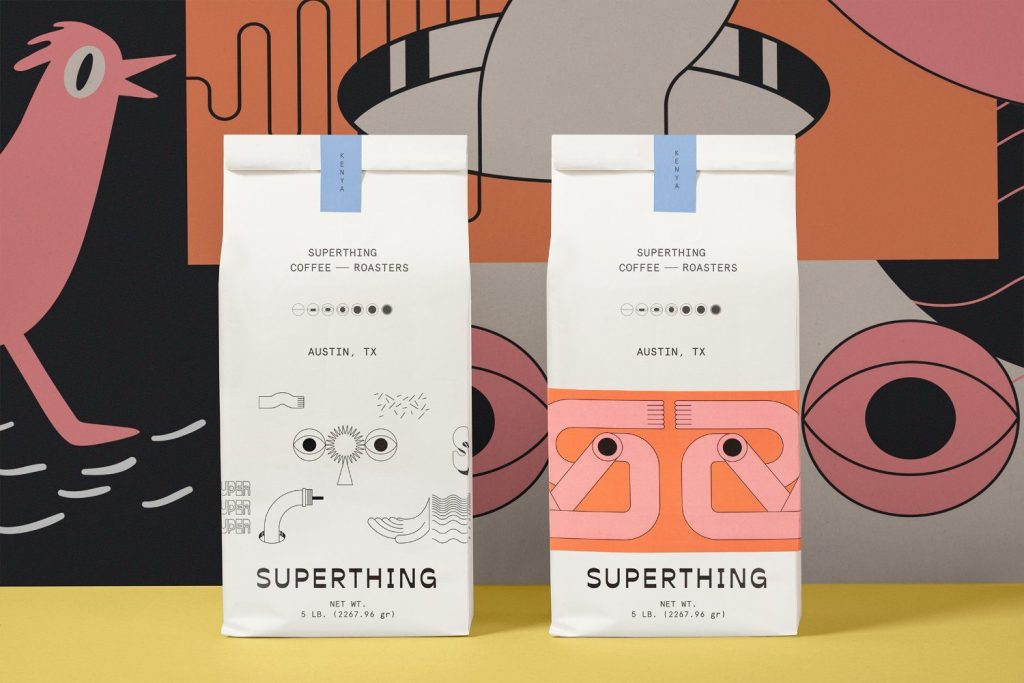
Clear Visual Focus
The first step in packaging box design is to determine the visual focus. The visual focus is the area that consumers first notice; it should contain the brand name or core selling points to ensure rapid information delivery. For example: Beverage packaging places the brand logo in the upper center for easy identification; snack packaging places flavor descriptions or images in the visual center to attract appetite; gift packaging uses symmetrical patterns and concentrated colors to create a visual focal point. A clear focus allows consumers to grasp key information instantly.
Clear Hierarchy
Information hierarchy determines the consumer’s reading order. Text, images, logos, and selling points on packaging need to be arranged logically, allowing the eye to naturally read from primary to secondary information.
Specific Methods:
· Enlarge or bold the main information (brand, product name)
· Use smaller fonts or lighter colors for secondary information (efficacy, specifications)
· Contrast between background and foreground to enhance recognizability. Clear hierarchy makes packaging easier to understand and improves the user experience.
Contrast Enhances Effect
Contrast is an important layout technique that can enhance visual impact. Through contrast in color, size, font, or shape, key information is made more prominent. For example: a red title against a light background attracts attention; a large image against small text creates a proportional contrast, enhancing the sense of hierarchy; bold and light fonts highlight key information. Appropriate contrast makes packaging more eye-catching on the shelf.
Reasonable White Space
White space provides visual breathing room, enhancing overall aesthetics. Overly crowded layouts can create a sense of oppression and make information difficult to read. Appropriate white space allows visual elements to stand out.
Common Applications:
· Retain white space around the brand logo to improve recognizability.
· Add white space around key selling points for easier readability.
· Leave white space between graphics for a clean and tidy look.
White space acts as a “buffer zone” in composition, helping to elevate the packaging’s perceived quality.
Consistent Font Selection
Fonts are crucial for information delivery, and their style should align with product positioning. Too many fonts can appear cluttered, while too few may lack hierarchy. It’s generally recommended to limit use to 2-3 fonts. For example: use rounded, lively fonts for children’s products; use minimalist sans-serif fonts for high-end cosmetics; and use bold fonts to emphasize functional information for enhanced readability. Consistent fonts enhance professionalism and brand image.
Combination of Text and Graphics
Combining graphics and text is a key strategy in packaging layout. Plain text can be bland; combining text and graphics enhances appeal and improves information delivery efficiency.
Common Methods:
· Presenting product images alongside the name enhances brand recognition.
· Using illustrations or icons to represent function facilitates quick understanding.
· Maintaining a balance between graphics and text, avoiding one element being overly dominant.
A well-balanced combination of text and graphics makes packaging both aesthetically pleasing and clearly informative.
Color Harmony
Color plays a guiding and reinforcing role in layout. A well-balanced color scheme creates visual hierarchy, highlights key information, and aligns with the brand image.
For example:
· Food packaging uses highly saturated colors to attract attention.
· Cosmetic packaging uses soft colors to emphasize elegance.
· Contrasting colors emphasize specific information, such as “New Product” or “Limited Edition.”
Color harmony is a key factor in successful layout.
Size Proportion Control
The proportion of text and graphics on packaging affects the overall visual appeal. An unbalanced proportion can lead to visual fatigue or information being overlooked. Space must be allocated appropriately according to the box shape during the design process.
Specific practices
Maintain a reasonable proportion of primary and secondary information, for example, 30% for the title and 20% for the description. Ensure images and text are of coordinated size to avoid cluttering the space. Maintain a moderate amount of white space on the box surface to enhance overall aesthetics. Reasonable proportions make the packaging look neat and comfortable.
Maintain a consistent overall style
The overall layout should be consistent with the brand style and product series. A unified style helps form brand recognition and allows different product combinations to appear harmoniously on the shelf. Practical methods: Use consistent fonts and colors for the product series; maintain consistent pattern styles; use similar layout methods to facilitate visual extension. A consistent style is an important guarantee for a unified brand image.
The layout and composition in packaging box design is a process that combines aesthetics, information delivery, and business strategy. By clearly defining the visual focus, creating distinct layers, using reasonable contrast, utilizing white space, using consistent fonts, combining text and images, coordinating colors, controlling size proportions, and maintaining a consistent style, packaging can not only attract consumers’ attention but also clearly convey product information and increase purchase desire. A reasonable layout can make packaging stand out on the shelf while increasing consumers’ trust and recognition of the brand. Only packaging boxes that have been carefully designed and repeatedly sampled can gain an advantage in a highly competitive market environment and make the product stand out among many competitors.

