
Luxury Packaging Design Trends in 2026

With consumption upgrades and intensified brand competition, luxury packaging design is entering a new stage of development. The packaging trends of 2026 not only emphasize visual impact but also focus on consumer experience and sustainable development. High-end brands not only pursue exquisite packaging materials and design details but also hope to convey brand philosophy, cultural stories, and unique value through packaging. In the digital age, consumers obtain information in increasingly diverse ways, and their feelings about brand packaging come not only from touch and sight but also from psychological experience and emotional resonance. Luxury packaging design is not only a means of protecting products but also an important medium for brands to build trust and a high-end image with consumers. Designers need to comprehensively consider material selection, structural innovation, visual elements, and sustainability to create packaging solutions that are both trendy and have long-term brand recognition.
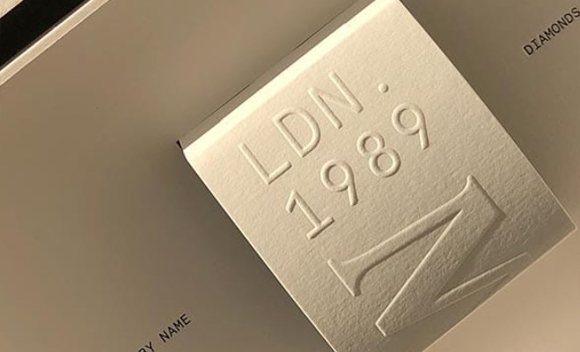
Material Innovation
Luxury packaging design in 2026 will place greater emphasis on the uniqueness and sophistication of materials.
High-end paper materials and special coatings: For example, tactile paper, frosted paper, and metallic coatings enhance the tactile experience.
Mixed materials: Combining paper, glass, metal, leather, etc., creates multi-layered visual and tactile effects.
Eco-friendly High-End Materials: Biodegradable paper, recyclable plastics, and plant-based inks not only convey a sense of luxury but also align with sustainable development principles.
Material innovation not only elevates the product’s grade but also adds a sense of “preciousness” in the consumer’s mind, making the product more collectible.
Visual Style
The visual style will move towards a combination of minimalism and sophistication.
Minimalist Lines and Structural Design: Clean lines and blank spaces highlight a high-end feel, avoiding overly complex decorations.
Metallic and Hot Stamping Elements: Spot hot stamping, silver stamping, or laser processing adds a sense of luxury and visual highlights.
Gradient Colors and High-Saturation Colors: Color gradients or bright accents on a minimalist base make the packaging more visually impactful.
Strengthened Brand Identity: The logo, textures, and iconic elements are refined to enhance recognizability.
This style emphasizes “less is more,” showcasing luxury through exquisite details while avoiding visual fatigue.
Integration of Innovation and Function
Packaging structural design not only focuses on appearance but also emphasizes functionality and user experience.
Openable/Clamorable Designs: Examples include drawer-style boxes, magnetic closures, and folding structures, enhancing the unboxing experience.
Modular Combinations: Packaging can be disassembled or stacked to meet diverse needs for different product combinations.
Balancing Protection and Display: Ensuring product safety while facilitating display or storage.
Convenient User Experience: Smooth, easy-to-open, and reusable designs enhance consumer satisfaction.
Structural innovation is a key aspect of luxury packaging design, allowing consumers to experience the brand’s attention to detail.
Green Luxury Trends
High-end packaging design in 2026 will be deeply integrated with environmental protection concepts.
Recyclable and Biodegradable Materials: Paper packaging, biodegradable plastics, and plant-based inks will be widely used.
Reduce Excessive Packaging: Ensuring product protection while avoiding resource waste.
Environmental Certification Labels: Displaying environmental information on packaging conveys the brand’s social responsibility to consumers.
Long-Term Use Value: Reusable or collectible designs reduce one-time consumption.
Environmental protection is not only a corporate responsibility but also a means to enhance brand image and consumer loyalty.
Digital Interaction
With the trend of digital consumption, luxury packaging design is increasingly integrating with technology.
QR Codes and AR Experiences: Scanning the packaging provides access to product stories, brand activities, or virtual displays.
Smart Packaging: Featuring temperature sensors, light sensors, or anti-counterfeiting verification functions, enhancing the product’s technological feel.
Interactive Design: Triggering animations or sounds provides consumers with a unique experience during the unboxing process.
Digital Collectible Value: Combining NFTs or digital souvenirs to create limited-edition high-end product packaging.
Digital interaction not only enhances user engagement but also makes luxury packaging a medium for brand extension.
Emphasizing the Emotional Value of Packaging
High-end consumers are increasingly focused on the stories and culture behind products.
Cultural Elements Integrated into Design: Combining regional culture, brand history, or artistic style to create a unique visual language.
Storytelling Packaging: Telling brand concepts or product stories through patterns, text, or interactive designs.
Personalized Customization: Offering limited editions or customized services, allowing consumers to have a unique experience.
Collection and Ritual: The packaging itself becomes a representation of inheritance or gift value.
This trend elevates packaging beyond simply protecting goods; it transforms it into a vehicle for conveying emotions and culture.
Color Trends
Color plays an increasingly important role in luxury packaging.
Dark tones paired with metallic colors: Ink black, deep blue, and burgundy paired with gold and silver foil stamping create a high-end feel.
Soft gradients and layered colors: Gradient colors enhance depth and visual appeal.
Minimalist solid color contrast: Large areas of solid color paired with accented bright colors highlight the brand logo and design details.
Seasonal and limited-edition theme colors: Combined with product lines and marketing campaigns, these enhance the sense of exclusivity and collectability.
Color strategy is both an aesthetic expression and a crucial means of brand identification.
Brand Consistency
Luxury packaging design extends beyond individual products; it must maintain consistency across the entire brand image.
Unified style across packaging series: Ensure consistent visual elements across product lines to form a brand identity system.
Synchronized online and offline presence: Consistent packaging styles across e-commerce platforms and physical stores enhance brand memorability.
Extending brand touch: Integrating advertising, store displays, brochures, and other comprehensive experiences.
Brand consistency enhances consumer awareness and trust, adding value to the brand.
Summary of Future Design Trends
Luxury packaging design in 2026 will exhibit the following characteristics:
• Emphasis on both exquisite materials and innovation
• Combination of minimalist visuals and high-end details
• Simultaneous improvement of structural function and user experience
• Deep integration of green environmental protection and sustainable development concepts
• Enhanced emotional value through digital interaction and cultural storytelling
• Color strategies highlight brand recognition
When creating luxury packaging, designers must not only pursue a high-end visual and tactile experience but also pay attention to environmental protection, technology, culture, and consumer experience.
Luxury packaging design in 2026 is no longer merely synonymous with “aesthetics” but a comprehensive system integrating material innovation, structural design, visual art, cultural storytelling, and digital experience. It not only reflects the brand’s high-end positioning but also enhances consumer recognition and loyalty through environmental concepts, interactive technology, and personalized experiences. In fierce market competition, packaging becomes the first point of contact between the brand and consumers, and an important medium for conveying value and emotion. Through systematic design and strategic planning, luxury packaging can comprehensively enhance brand image in terms of visual appeal, tactile sensation, experience, and culture, making products not only market-attractive but also objects that consumers cherish and collect.

