
Pharmaceutical Packaging Box Printing Knowledge and Regulatory Requirements

Pharmaceutical packaging boxes not only protect the product but also relate to information transmission and medication safety. Printing quality and content standards directly impact consumer identification and user experience, and are subject to strict regulation. Understanding the printing knowledge and regulatory requirements for pharmaceutical packaging boxes is crucial for manufacturers and designers.
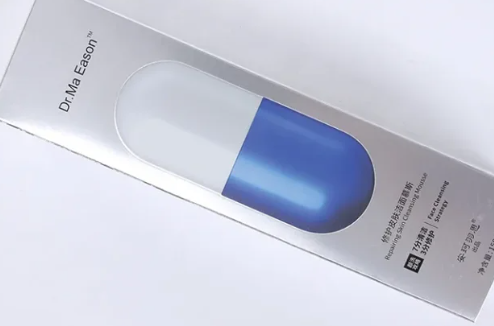
Basic Functions of Pharmaceutical Packaging Boxes
Pharmaceutical packaging boxes serve multiple purposes in practical applications. On one hand, they protect the stability of medicines during transportation and storage, preventing moisture, light, or contamination. On the other hand, they act as information carriers, conveying key information such as the drug name, ingredients, and usage to users. Packaging design needs to strike a balance between practicality and standardization, ensuring clear and legible information.
Standardized Requirements for Printed Content
The text and graphics on pharmaceutical packaging boxes must comply with relevant regulations. Common information includes the drug name, specifications, manufacturer, approval number, and instructions for use. This content must be accurate and complete, and must not contain misleading expressions. Font size and layout must also meet readability requirements, ensuring that different groups can clearly identify key information.
Impact of Printing Process on Quality
The printing process directly determines the visual effect and durability of the packaging box. Commonly used processes include offset printing, flexographic printing, and digital printing, each with its own characteristics in color reproduction and detail representation. High-quality printing ensures clear text and stable patterns, while avoiding impacts on the user experience due to ink fading or blurring. Appropriate process selection helps improve overall quality.
Analysis of Common Regulatory Points
Pharmaceutical packaging printing must comply with a series of regulatory requirements, mainly reflected in the following aspects:
- Information authenticity requirements: All printed content must be consistent with the approved documents and cannot be arbitrarily changed.
- Labeling requirements: Drug names and warning information must be clear and conspicuous.
- Batch number and expiration date labeling: The production batch number and expiration date must be accurately labeled.
- Anti-counterfeiting and traceability labeling: Some products require the addition of anti-counterfeiting codes or traceability information for easy management.
These requirements ensure the safety and traceability of the pharmaceutical distribution process.
Material Selection and Safety Standards
Pharmaceutical packaging box materials must meet safety standards and must not contaminate the drugs. Common materials include medical-grade cardboard or environmentally friendly materials, which offer good strength and stability. Material selection must also consider printability to ensure consistent graphic quality. Materials that meet standards contribute to enhanced overall security.
Anti-counterfeiting Design and Technology Application
To prevent counterfeit products from entering the market, pharmaceutical packaging boxes often employ various anti-counterfeiting technologies. These include special inks, laser markings, or QR codes, which enhance product identification capabilities. Anti-counterfeiting designs not only improve brand protection but also help consumers distinguish genuine products from counterfeits, thus ensuring medication safety.
Quality Control During Printing
Strict quality control is required during the production process. This includes color consistency checks, text clarity testing, and batch production stability assessments. Establishing a comprehensive quality management system can reduce printing errors and ensure that each batch of products meets standard requirements. Quality control is a crucial link in ensuring packaging reliability.
Industry Development and Standardization Trends
With the continuous improvement of regulatory systems, pharmaceutical packaging printing standards are also constantly being raised. Digital management and intelligent traceability technologies are increasingly being applied to packaging design, making information management more efficient. In future development, environmentally friendly materials and high-precision printing technology will become important directions, while the requirements for standardization will also become more stringent.
Pharmaceutical packaging box printing involves multiple aspects, including content specifications, process selection, and regulatory requirements. By strictly adhering to relevant standards and improving printing quality, the accurate transmission of drug information and safe use can be effectively guaranteed. Against the backdrop of continuous industry development, the level of standardization and technological sophistication will continue to improve.

