
Professional Terminology in Packaging Processes Across Different Industries

In the field of packaging design, different industries exhibit significant differences in their expression of packaging techniques. While food, cosmetics, and electronics are all consumer goods, their product attributes, target audiences, and brand positioning differ, leading to distinct focuses and approaches in the selection and expression of packaging techniques. Techniques are not merely visual decoration but also crucial means of conveying product value; therefore, different product types present entirely different design schemes in their application of techniques. Food packaging emphasizes safety and naturalness, cosmetics packaging focuses on texture and sophistication, while electronics packaging leans towards a technological and rational expression. These differences are not only reflected in color and structure but also in the selection and presentation of details in the techniques. For example, the same gold foil stamping technique might be used in food packaging to emphasize the credibility of the brand name, in cosmetics to highlight luxury, and in electronics to strengthen the brand’s technological image.
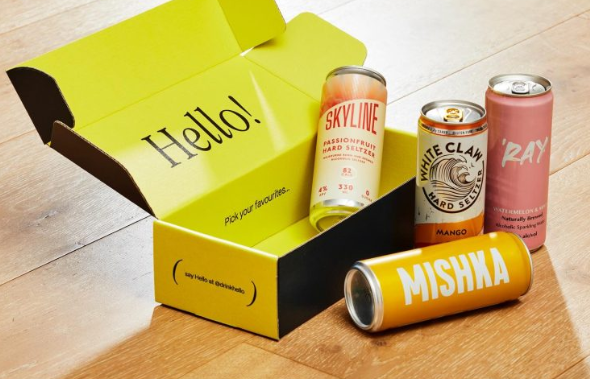
Characteristics of Technique Expression in Three Major Industries
· Food Packaging: Emphasizing Safety and Naturalness in Technique Expression
The core of food packaging is “trustworthiness and health.” Therefore, the expression of techniques is usually restrained, emphasizing naturalness and safety. Common techniques include matte lamination, spot UV coating, and simple hot stamping, used to enhance brand credibility. Colors and processes are kept simple to avoid giving consumers an unrealistic or overly artificial visual impression. The overall design leans towards simplicity and clear expression, allowing consumers to quickly identify product attributes.
· Cosmetic Packaging: Emphasizing Texture and Visual Layers
Cosmetic packaging places greater emphasis on “visual appeal and a sense of luxury.” Therefore, techniques are typically more abundant, including combinations of hot stamping, embossing, spot UV coating, pearlescent film, and frosted effects. The design often uses multi-layered techniques to enhance visual depth, making the packaging more luxurious. At the same time, attention to detail is crucial; for example, the placement of the gold-stamped logo and UV highlights on the bottle need precise expression to enhance the brand’s premium feel.
· Electronic Product Packaging: Emphasizing Technological and Rational Expression
Electronic product packaging emphasizes “technology and order.” Techniques are typically simple and precise, such as matte lamination, spot UV coating, and metallic silver hot stamping. The overall design style is restrained, avoiding excessive decoration to highlight the product’s functionality and technological attributes. Meanwhile, the craftsmanship emphasizes structural logic, such as line alignment, modular design, and precise positioning, resulting in a more rational and professional overall presentation.
Core Differences in Craftsmanship Expression Across Three Industries
Overall, the differences in craftsmanship expression among food, cosmetics, and electronics products mainly lie in their different “emotional communication directions.” Food packaging leans towards safety and naturalness, thus its craftsmanship is simpler, emphasizing credibility; cosmetics packaging emphasizes sensory experience, thus its craftsmanship is more complex, focusing on visual impact and a sense of sophistication; electronics products emphasize rationality and functionality, thus their craftsmanship is simpler, more precise, and technologically advanced. For example, the same gold foil stamping technique is only a subtle embellishment in food, a core visual highlight in cosmetics, and more often used to reinforce brand identity in electronics. This difference illustrates that craftsmanship is not merely a decorative tool, but an extension of brand positioning. Through comparison, it can be seen that there is no “good” or “bad” in craftsmanship expression across different industries, but rather “suitability.” Only craftsmanship design that matches the industry’s attributes can truly realize the value of packaging.
Frequently Asked Questions
Q: Can complex craftsmanship be used in food packaging?
A: Yes, but it should be moderately controlled to avoid excessive decoration affecting the sense of safety and naturalness.
Q: Is it necessary to use multiple processes in cosmetic packaging?
A: Not necessarily, but combining multiple processes can more easily enhance the sense of luxury and brand premium.
Q: Why do electronic product packaging use fewer processes?
A: Because its core is a sense of technology and functional expression; too much decoration would weaken its rational image.
Q: Should cost be considered when choosing processes?
A: Yes. Different processes have significantly different costs, and should be chosen rationally in conjunction with brand positioning.
Industry-Specific Expression
In actual design, even with the same process, the application methods are completely different across different industries. For example, hot stamping might only be used to embellish the brand name in food, for large-area visual reinforcement in cosmetics, and for partial logo reinforcement in electronic products. This subtle difference reflects industry positioning. Designers need to adjust the proportion, position, and intensity of the process according to industry attributes to meet both visual needs and market perception.
The differences in packaging process expression across different industries are essentially a reflection of differences in brand positioning and consumer psychological needs. Food emphasizes safety and naturalness, hence its restrained processing techniques; cosmetics emphasize aesthetics and sophistication, hence their richer techniques; electronics emphasize technology and rationality, hence their simple and precise techniques. Designers must not only master the expression of various techniques but also understand the consumer logic behind each industry. Only by combining techniques with industry attributes can packaging design truly be effective. Furthermore, by reasonably controlling the complexity of techniques, optimizing visual focus, and precisely placing elements, packaging can remain competitive in different market environments. Technique is not merely decoration but also part of the brand language, a crucial bridge connecting the product and the consumer. Understanding the differences in technique expression across industries is a fundamental and vital understanding in packaging design. Understanding these differences helps in creating more precise and effective designs, allowing products to better convey their value in the market.

