
Restaurant Packaging Box Printing Knowledge Enhances User Experience

With the continuous expansion of takeout and delivery scenarios, packaging boxes are no longer just tools for carrying food; they directly participate in the user’s judgment of restaurant quality. A well-structured, clearly printed, and reliably protective packaging box can keep food intact during transportation and create a positive first impression when the user opens the box. This experience directly influences repeat purchases and brand recall.
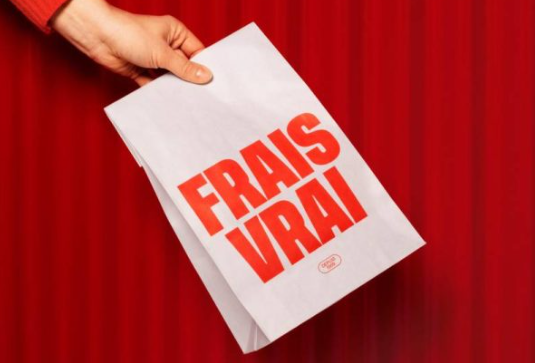
Restaurant Packaging Box Material Selection and Basic Performance
Common materials for restaurant packaging boxes include food-grade cardboard, white cardboard, kraft paper, and laminated paper. Different materials are suitable for different food structures. Food-grade cardboard has strong support and is suitable for hamburgers and bento boxes; kraft paper has high toughness and is suitable for fried foods and mixed dry and wet foods; laminated paper enhances water and oil resistance through surface coating and is more suitable for soups or high-fat foods. In actual selection, it is necessary to pay attention to compression resistance, oil resistance, food safety level, and environmental attributes. These factors together determine the stable performance of the packaging box during transportation and also affect the integrity of the food when the user receives it.
Printing Process and Visual Presentation Optimization
Restaurant packaging box printing not only conveys information but also serves as a means of brand visual identification. Flexographic printing is suitable for large-scale environmentally friendly packaging production, offset printing excels in color reproduction and detail, while gravure printing is suitable for high-end customized packaging needs. During production, it’s crucial to control ink adhesion and drying efficiency to avoid issues like fading, blurring, or migration. At the design level, the brand’s primary color, logo, and simple graphic structure are typically combined to create a distinctive visual identity within a short timeframe, allowing users to quickly remember the visual characteristics among multiple restaurant brands and thus enhancing brand impression.
Oil and Leakage Resistance Design and Structural Optimization
Restaurant packaging boxes frequently come into contact with high-oil or slurry foods in actual use; therefore, oil and leakage resistance becomes a key design focus. Protective design is typically achieved through coating treatments and structural optimization. For example, water-based oil-resistant coatings reduce the rate of oil penetration, while PLA bio-coatings combine protection and environmental friendliness. Structurally, reinforced edges, strengthened bottom load-bearing capacity, and locking seal designs improve overall stability, making the packaging less prone to leakage or deformation during transportation.
Key Control Points for Protective Performance
The stability of protective performance depends on the coordination of multiple details, each affecting the final performance. To ensure reliable performance of the packaging box in real-world delivery environments, the following key points need to be controlled and optimized:
- Coating Uniformity Control: The oil-proof layer must completely cover the paper surface to avoid localized weaknesses leading to penetration.
- Material Oil Absorption Matching: Different paper materials have different absorption rates, requiring coordination with the coating system.
- Seam Sealing Treatment: Edge areas are prone to leakage, requiring enhanced pressing or heat sealing processes.
- High-Temperature Stability Testing: The material must not soften, collapse, or deform under hot food conditions.
- Transportation Compression Resistance Structure Design: Maintaining shape stability during multi-layer stacking reduces damage caused by compression.
These control points work together to form a complete protective system, ensuring the packaging box remains stable under high temperatures, grease, and transportation pressure.
User Experience-Oriented Packaging Interaction Design
The user experience when using restaurant packaging boxes comes not only from the food itself but also from the convenience and cleanliness of the unpacking process. Easy-opening structures reduce resistance when unpacking, allowing users to quickly begin their meal; the inner oil-proof design prevents oil stains on hands, improving comfort; and the dividers keep food neatly arranged, preventing flavor mixing or spillage. Some restaurants also incorporate brand hints or visual guidance elements inside the packaging, helping users form a clearer brand memory during unpacking and enhancing the overall experience.
Environmental Trends and Brand Value Enhancement
Environmental protection is driving the development of food packaging towards biodegradable materials and low-pollution processes. Paper-based materials and bio-coatings are gradually replacing traditional plastic structures, reducing environmental burden while maintaining basic performance. Environmentally friendly packaging not only meets policy requirements but also becomes an important part of brand image, fostering greater trust in restaurants among users. In practice, restaurants typically control costs by optimizing material thickness, improving printing efficiency, and refining production processes, finding a balance between environmental protection and economy to maintain a stable competitive advantage in the market.

