
Rigid Boxes vs Folding Cartons: Which Is Better for Brand Packaging?

A bottle of serum, a perfume bottle, or a gift set can look completely different depending on the packaging. Rigid boxes feel sturdy and premium, while folding cartons are lightweight, ship flat, and take up less storage space. The biggest question for many brands is cost. Rigid boxes may look more refined, but they also require a larger investment per unit. Is that extra cost worth it? When choosing custom packaging boxes, brands should consider product positioning, order quantities, shipping costs, and the unboxing experience rather than judging packaging by appearance alone.
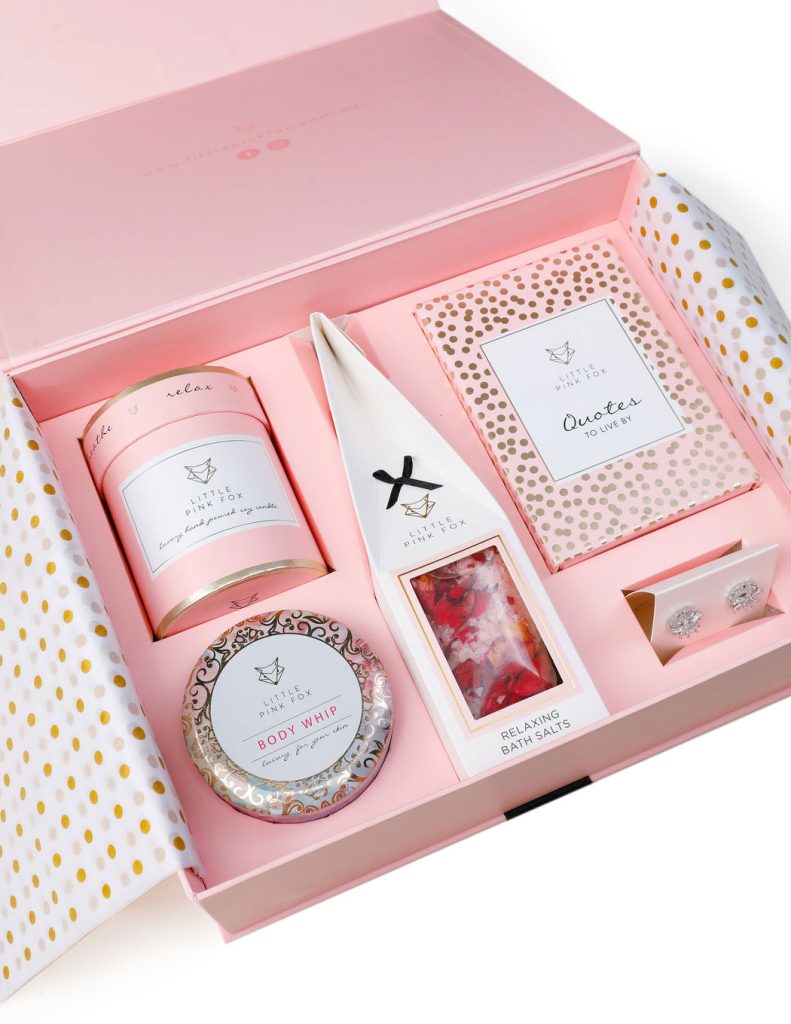
What Is the Difference Between Rigid Boxes and Folding Cartons?
Rigid boxes typically use greyboard as the main structure, wrapped with printed paper or specialty paper. Folding cartons are made from paperboard that is printed, die-cut, creased, and glued into shape. These structural differences affect the user experience, production process, and overall cost.
- Rigid boxes offer greater structural firmness. Greyboard is commonly around 1–3 mm thick. Popular styles include lid-and-base boxes, magnetic closure boxes, and drawer boxes. They suit products that need a more substantial presentation.
- Folding cartons are lighter and easier to store. Common paperboard thicknesses range from approximately 0.3–0.8 mm, depending on the material and box design. They can be shipped flat and are widely used for cosmetics, food, and everyday retail products.
- Both options support printing and finishing. Foil stamping, embossing, spot UV, and lamination can be used on either style. Rigid boxes generally require wrapping and assembly, while folding cartons can be printed directly on paperboard before die-cutting and folding.
Do not focus on board thickness alone when selecting materials. Product weight, box dimensions, and shipping conditions all influence the required specifications. A rigid box is not automatically safer for lightweight products, and a folding carton is not necessarily inadequate for protection. The structure must suit the product.
Which Is More Affordable: Custom Rigid Boxes or Folding Cartons?
Rigid boxes generally involve more production steps. Greyboard, wrapping paper, assembly, and inserts can all add to the cost. Folding cartons can be produced and shipped flat, making their unit costs easier to control in larger production runs. The following comparison provides a starting point for budgeting, although actual quotations depend on the box style, paperboard, and finishing requirements.
| Order Quantity | Rigid Box Price | Folding Carton Price |
| 500 units | $7.00/unit | $1.20/unit |
| 1,000 units | $5.50/unit | $0.85/unit |
| 5,000 units | $3.50/unit | $0.50/unit |
| 10,000 units | $2.50/unit | $0.40/unit |
These figures use a reference box size of 6 × 6 × 3 inches. As order quantities increase, the unit price of both packaging styles decreases. At 5,000 units, the difference is approximately $3.00 per box. For brands that regularly reorder packaging, this gap can have a noticeable impact on the overall budget.
However, unit price is only part of the decision. A rigid box may justify its higher cost if it significantly improves gift presentation. For everyday retail products where the product itself is the main selling point, folding cartons may offer a more cost-effective solution.
Which Box Style Works Best for Cosmetics, Perfume, Jewelry, and Food?
Before choosing a box style, consider how consumers will use the packaging after receiving the product. Is the box mainly for shipping and shelf display, or is it an important part of the product experience? This distinction often matters more than the surface finish alone.
- Cosmetics: Folding cartons work well for everyday skincare products, while gift sets may benefit from rigid boxes with fitted inserts.
- Perfume and jewelry: Rigid boxes suit products where presentation and unboxing matter. Glass bottles and delicate jewelry still require suitable inserts for protection.
- Food and everyday products: Folding cartons are easier to store flat and replenish in bulk. Materials and coatings must also be suitable for the intended application.
- Electronics and gift sets: Check structural support, internal positioning, and shipping protection before deciding whether a rigid box is worth the additional cost.
Another practical option is to use both styles for different product lines. Folding cartons can serve everyday retail products, while rigid boxes can be reserved for holiday gift sets or limited editions. This approach maintains a consistent brand identity without requiring every product to use premium packaging.
What Should You Check When Sampling Rigid Boxes and Folding Cartons?
Appearance is only one part of sample approval. For rigid boxes, check lid fit, wrapped edges, and insert alignment. For folding cartons, examine the creases, folding performance, and glued seams. Both styles should be tested with the actual product inside to confirm that the box opens easily and the product can be removed without difficulty.
If an order includes multiple sizes or designs, inspect each version separately. Simply shrinking the same logo file for every box may cause text to become blurry on smaller packages or place graphics too close to fold lines. When using foil stamping, embossing, or other special finishes, include them in the complete sample so you can assess the final result before production.
There is no single box style that suits every brand. Rigid boxes are a good fit for products that need a firm structure, premium presentation, and a memorable unboxing experience. Folding cartons are often more suitable for brands focused on unit cost, storage efficiency, and regular replenishment. When developing custom packaging boxes, share your product dimensions, order quantity, sales channel, and budget with us. We can help evaluate suitable box styles, materials, and printing options through sampling to find a packaging solution that fits your brand.