
Specialty Coffee Packaging Printing Knowledge and Brand Positioning

In the specialty coffee market, packaging not only serves protective and transportation functions but also directly impacts consumers’ brand perception. High-quality packaging printing can enhance product prestige and strengthen brand image. Whether in offline retail or e-commerce channels, visual presentation and tactile experience are crucial factors influencing purchasing decisions. Understanding the relationship between printing technology and brand positioning helps create a more competitive coffee product image.
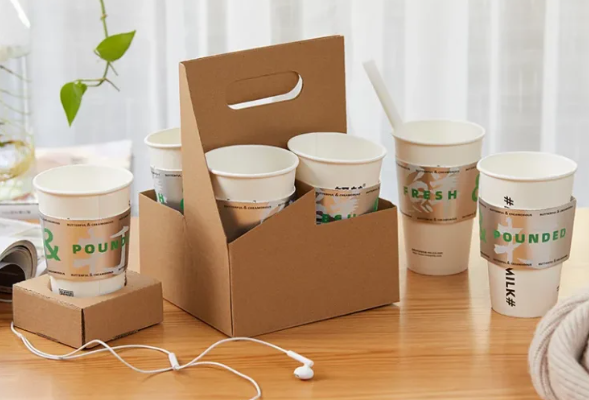
Core Functions of Specialty Coffee Packaging
Specialty coffee requires high freshness, necessitating packaging with certain performance in terms of sealing, moisture protection, and light protection. Common packaging incorporates one-way venting valves to maintain the internal gas balance of the coffee beans while preventing outside air from entering. Structural design also considers ease of opening and resealing, enhancing the user experience. Beyond meeting functional requirements, packaging also needs a pleasing appearance to create a high-quality visual association for consumers.
The Impact of Printing Technology on Texture
Different printing technologies directly affect the visual and tactile presentation of packaging. Offset printing is suitable for mass production and offers high color fidelity; digital printing is suitable for small-batch and multi-style designs, offering greater flexibility; post-processing techniques such as hot stamping, embossing, and spot varnishing can enhance the overall texture and make the packaging more layered. The combined use of these techniques can strengthen the brand’s premium feel and make the product more recognizable in the competitive market.
Brand Positioning and Design Expression
Specialty coffee brands typically combine their own positioning with visual expression in their designs, presenting different styles depending on the direction:
- High-end boutique brands emphasize minimalist design and high-quality materials, highlighting texture and quality;
- Youthful brands use bright colors and unique patterns to enhance visual impact;
- Handmade or niche brands tend to use illustrations or handwritten fonts to reflect uniqueness;
- Environmentally conscious brands emphasize natural tones and simple design, highlighting sustainability;
A clear design direction allows consumers to quickly identify brand characteristics.
The Relationship Between Material Selection and Brand Image
Packaging materials not only affect the user experience but also convey the brand’s philosophy. For example, high-grammage paper enhances the overall feel, while environmentally friendly materials strengthen brand responsibility. In the specialty coffee sector, more and more brands are choosing sustainable materials to align with market trends. Different materials vary in cost and performance, requiring careful selection based on product positioning to ensure visual consistency and brand philosophy.
Market Trends and Packaging Innovation Directions
With rising consumer spending, specialty coffee packaging is constantly innovating. Some brands are experimenting with multi-layered designs to improve freshness; others are adding information labels, such as origin and flavor descriptions, to make it easier for consumers to understand product characteristics. Visually, minimalist styles coexist with personalized designs to meet the needs of different consumer groups. Packaging is gradually shifting from a single function to multi-dimensional expression, making the brand more extensible.
There is a close connection between specialty coffee packaging printing and brand positioning. Through the rational application of processes and design, unity can be achieved at both the visual and functional levels. Continuously optimizing packaging strategies helps improve brand recognition and allows products to perform better in the market.

