
The Application of Font in Packaging Design

In today’s fiercely competitive consumer market, packaging has long transcended its function of protecting products; it has become the first bridge between brands and consumers. In the few seconds a customer lingers in front of a shelf, the factor that determines whether they pick up an item is often not the product itself, but rather the visual impression. While color, graphics, and structure are important, typography bears the more direct and explicit responsibility of conveying information. Typography is both a carrier of language and a means of expressing emotion. A suitable typography can instantly make a brand recognizable and immediately convey the product’s character. Conversely, if the typography is used haphazardly, even the most exquisite design will appear cheap, cluttered, and even untrustworthy.
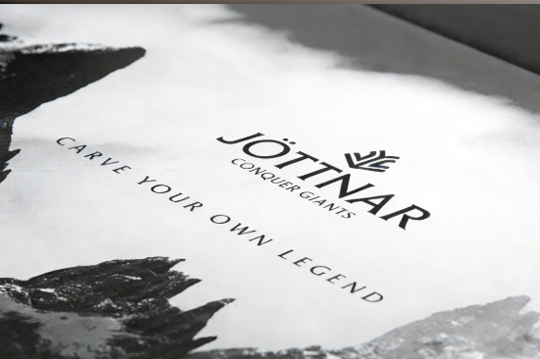
From food to daily necessities, from electronics to cultural and creative products, the role of typography in packaging is increasingly valued. It not only affects readability but also determines brand tone, target consumer group, and cultural expression. Different weights, spacing, structures, and styles all evoke drastically different psychological feelings. For example, rounded fonts appear approachable and cute, bold fonts convey strength and a sense of technology, and handwritten fonts are more warm and personalized.
Font Literacy
The primary concern with fonts is legibility. In complex packaging displays with densely packed merchandise, overly thin, overly ornate, or low-contrast fonts will reduce legibility. Designs should prioritize clear letterforms, simple strokes, reasonable spacing, and a clear hierarchy. For example, using bold for titles and regular weight for descriptive text creates a clear hierarchy. Consumers can recognize the brand name from a distance and read details up close.
Font Relationship to Brand Image
Different products require different tones. Food emphasizes friendliness and naturalness, children’s products highlight liveliness and cuteness, high-end skincare products emphasize elegance and sophistication, while technology products lean towards rational simplicity. Font selection must align with brand positioning.
Examples:
Rounded font → Relaxed, playful
SimSun → Traditional, cultural
Sans-serif font → Modern, technological
Handwritten font → Warmth, individuality
Using cartoon fonts for high-end perfumes would disrupt the overall quality. Therefore, fonts are not arbitrary decorations but an integral part of the brand language.
Font Hierarchy
Packaging may contain a lot of text, but none should be equally important. Typically includes: brand name, product name, selling points, ingredients, and instructions.
When designing, establish visual order:
·Main title (largest)
·Core selling points (second largest)
·Supporting information (smallest)
Use font size, weight, and color contrast to differentiate elements. A clear reading order allows consumers to quickly grasp key information. Typography without hierarchy, like an article without punctuation, easily leads to reading fatigue.
The Role of Typography in Packaging Design
Sometimes, the font itself is a decorative element. In packaging design, text can be creatively transformed to combine informational and visual functions. For example: elongated strokes convey speed; rounded corners increase softness; handwritten strokes enhance a sense of life; collage layouts create a vibrant effect. This approach strengthens memorability and makes the packaging more personalized. However, it’s important to be “moderate”—excessive decoration can affect readability. A good font is visually appealing but not difficult to read.
Cultural Attributes
Typography also carries cultural significance. Chinese-style products often use calligraphy or seal script to reflect traditional heritage; Japanese products prefer delicate and clean typography; and European and American brands often use simple sans-serif fonts to express rationality and modernity. Through fonts, consumers can quickly determine the product’s origin and style.
For example:
Tea packaging + calligraphy → Traditional Oriental feel
Baked goods + handwritten English → Warm and family-like feel
National trend brands + retro slogan fonts → Nostalgic and trendy feel
Fonts become cultural labels, enhancing brand storytelling and trust.
Enhancing Texture Through Craftsmanship
Fonts are not just printed graphics; they can also be combined with craftsmanship. Common methods include: hot stamping, embossing, partial UV coating, relief, and laser engraving. Through three-dimensional or glossy effects, the text becomes more tactile and sophisticated. Especially in gift boxes or high-end products, crafted fonts can significantly enhance the sense of value. Beyond visual appeal, adding a tactile experience is an important direction for packaging upgrades.
The role of fonts in packaging design far exceeds ordinary text layout; it is not only a tool for information transmission and a medium for emotional expression, but also an important component of brand image. A successful packaging design often doesn’t rely on complex graphics or flamboyant colors, but rather on precision and restraint in details such as font selection, proportion control, and typographic rhythm. Consumers may not explicitly say “this font is good,” but they will develop a favorable impression due to the overall comfort, readability, and harmony, subconsciously building trust in the brand.
Excellent typography design makes products more recognizable, brands more distinctive, and information delivery more efficient. It helps products stand out from the competition and subtly elevates their perceived quality and professionalism. For designers, paying attention to typography is not only a technical issue but also an aesthetic and strategic one. Only by understanding brand positioning, user needs, and visual psychology, and rationally selecting and combining fonts, can the true value of packaging design be realized. Details determine quality, and typography is one of the most crucial details in packaging design that deserves careful refinement.

