
The core advantages of customized packaging design

In the modern market, packaging is no longer just a protective shell for products; it’s a crucial component of brand image. Therefore, more and more companies are focusing on custom packaging design, hoping to enhance product value and brand recognition through unique packaging. Compared to regular packaging, custom packaging goes beyond simply meeting the basic need to “hold products,” placing greater emphasis on visual style, user experience, and brand expression. Regular packaging is typically produced using standardized methods, resulting in a relatively uniform structure and appearance, with a focus on cost control and increased production efficiency. Custom packaging design, on the other hand, is tailored to brand positioning, product characteristics, and target consumers, creating a unified style between the packaging and the product, thereby enhancing overall competitiveness.
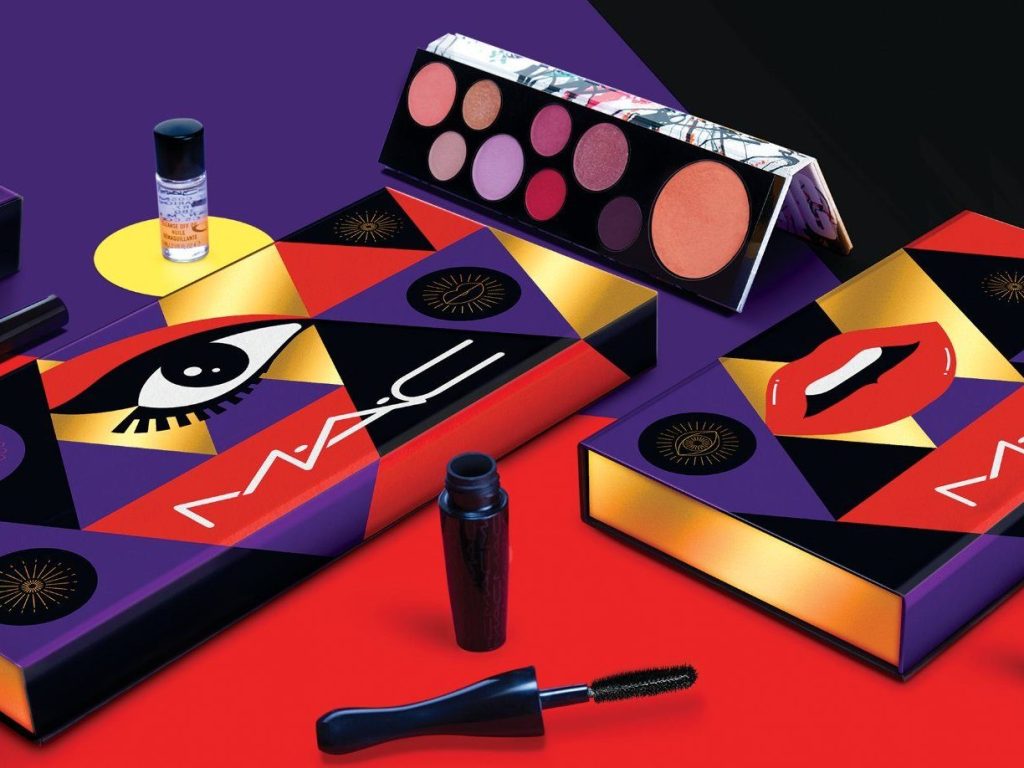
Core Differences in Custom Packaging
The biggest difference between custom packaging design and regular packaging lies not only in appearance but also in brand expression, user experience, and the creation of overall product value. Regular packaging primarily meets “basic usage needs,” while custom packaging emphasizes “branding and differentiation.”
Design Uniqueness
The most prominent feature of custom packaging is its exclusive visual style. Customized packaging is designed holistically based on brand positioning, product attributes, and target consumer groups, maintaining consistency in color schemes, font styles, and graphic elements to create a unique and recognizable brand identity. In contrast, standard packaging typically uses ready-made templates or standard structures, resulting in a more generic design style. While meeting basic usage needs, it lacks personalized expression and struggles to differentiate itself from similar products.
Brand Expression Capability
Customized packaging is not just about “packaging products,” but also about “expressing the brand.” It naturally conveys brand philosophy, brand story, and product positioning to consumers through visual elements, structural design, and craftsmanship details. In comparison, standard packaging leans more towards functionality, rarely considering brand emotion and cultural expression, thus limiting its role in building brand awareness.
Different User Experiences
Customized packaging places greater emphasis on the consumer’s usage process and unboxing experience. It considers not only the packaging’s appearance but also the opening method, tactile experience, and internal structural design. Standard packaging, on the other hand, usually prioritizes “easy production” and “cost reduction,” resulting in a relatively simple structure and a weaker user experience.
Differences in Materials and Processes
In terms of materials and processes, customized packaging typically uses higher-quality paper and special techniques to enhance the overall texture. For example, techniques such as hot stamping, embossing, UV spot varnishing, and frosted lamination can give the packaging a more layered visual and tactile experience.
Packaging Type Comparison Table:
| Comparison Item | Custom Packaging Design | Standard Packaging |
| Visual Style | Exclusive Design | Generic Design |
| Brand Recognition | Strong | Relatively Weak |
| Craftsmanship & Finishing | Diverse and Premium | Basic |
| User Experience | Greater Attention to Detail | Function-Oriented |
| Cost Investment | Higher | Lower |
Why is customized packaging more likely to create a brand image?
The core goal of standard packaging is “rapid production and basic protection,” so its design is usually simple and lacks brand personality. Customized packaging, on the other hand, is planned holistically around the brand positioning, maintaining consistency in color, font, structure, and process, allowing consumers to form brand memory upon seeing the packaging. For example, for the same tea product, standard packaging might just be a standard cardboard box with the product name, while customized packaging would incorporate brand colors, cultural illustrations, hot stamping, and exclusive structural designs, allowing consumers to perceive the difference visually and tactilely. This difference directly impacts the perceived quality of a product and consumers’ willingness to buy.
Frequently Asked Questions
Q: Can’t regular packaging be used?
A: Yes, but it lacks brand recognition and differentiation.
Q: Is customized packaging suitable for small brands?
A: Yes, it can help establish brand awareness more quickly.
Q: Will customized packaging significantly increase costs?
A: The initial costs are higher, but it helps enhance product value.
Packaging Differences Among Different Products
In the beauty industry, regular packaging often uses standard folding boxes, while high-end brands use magnetic gift boxes, gold-stamped logos, and matte materials to enhance a premium feel. In the food industry, regular packaging may simply be shrink-wrapped, while customized packaging adds holiday elements, illustrations, and gift-like structures. In the electronics sector, customized packaging emphasizes precise dimensions and a minimalist visual style, enhancing a sense of technology and professionalism through details. Furthermore, many e-commerce brands also include thank-you cards, hidden patterns, or interactive designs in customized packaging to create a stronger emotional experience for consumers during the unboxing process.
The biggest difference between custom packaging design and regular packaging lies in whether it revolves around the brand and user experience. Regular packaging focuses more on basic functionality, while custom packaging emphasizes visual expression, brand value, and consumer perception. As market competition intensifies, product differentiation alone is no longer sufficient; packaging, as the first point of contact for consumers, is becoming a crucial entry point for brand competition. Therefore, custom packaging not only enhances product appearance but also helps brands establish a unique image and long-term brand recall.

