
Chinese trend packaging design concept

With the rise of Guochao culture, Chinese elements are being integrated into modern design in new forms, becoming an important trend in new consumer brand packaging. Guochao packaging design combines traditional cultural symbols, colors, patterns, and craftsmanship with modern design concepts, enabling products to not only be functional but also convey cultural value and brand stories. For young consumers, Guochao is not just an aesthetic choice but also a manifestation of identity and cultural confidence. Through packaging, brands can convey culture to consumers while enhancing the product’s visual impact and market competitiveness. The emergence of Guochao packaging has changed the previous packaging concept that simply relied on function and visual appeal; it places greater emphasis on cultural connotation, brand expression, and user experience. Design is not merely about formal beauty but also a carrier of cultural emotion and an important way for brands to establish long-term connections with consumers.
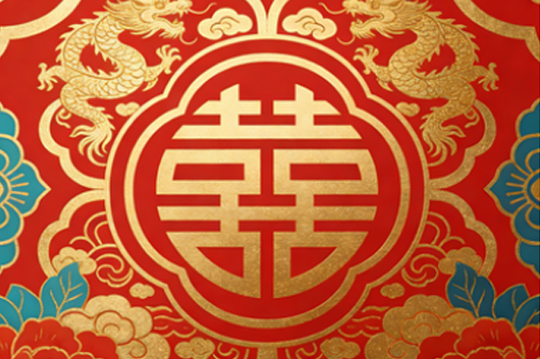
Modern Guochao packaging has distinct characteristics in its design concept: it emphasizes cultural inheritance while pursuing modern aesthetics; it focuses on visual impact while also emphasizing tactile experience; it presents a story while also possessing social media value. Brands often need to consider multiple layers in packaging design, from element extraction, color matching, and material selection to typography, structural innovation, and cultural narrative. Each step directly impacts consumers’ perception of the product and their brand impression. Especially in the era of highly developed social media, “Guochao” (national trend) packaging has become a crucial vehicle for brand marketing. Through unique design, consumers are not only willing to buy but also eager to share, thus creating a word-of-mouth effect and enhancing the brand’s market influence.
Modern Interpretation of Traditional Elements
The core of Guochao packaging design is the modern expression of cultural symbols. Designers typically abstract traditional Chinese patterns such as auspicious clouds, dragons and phoenixes, flowers, and blue-and-white porcelain, making them appear simple and bright within a modern aesthetic framework, rather than heavy or outdated.
Abstract Patterns: Simplifying traditional elements into geometric shapes or modern illustration styles makes the packaging visually clearer.
Symbolic Combinations: Combining traditional patterns with modern elements creates a unique visual identity system.
Preservation of Cultural Charm: Retaining the symbolic meaning of traditional culture under modern expression allows consumers to experience cultural value through visual interaction.
This design approach both inherits cultural traditions and satisfies modern aesthetics, forming a unique visual language of Chinese-style fashion.
Color Strategy and Visual Impact
Color is a crucial expressive tool in Chinese-style packaging. Traditional red, cyan, and gold are important carriers of cultural symbols. Meanwhile, modern designs incorporate gradients and bright accents, giving the packaging both cultural depth and a contemporary feel.
–Bold color combinations, using highly saturated or contrasting colors to emphasize visual impact.
– Simple and clear design elements, reducing complex decorations.
– Combining illustrations with trendy patterns to enhance visual appeal.
High-saturation colors: Using vibrant colors to attract attention and improve product recognition on the shelf.
Use of contrasting colors: Enhancing the sense of layering through color contrast makes the packaging more visually impactful.
Cultural color symbolism: Red symbolizes joy and auspiciousness, cyan embodies classical elegance, and gold conveys a sense of nobility.
This color strategy not only gives the product a visual impact but also strengthens cultural memory points, allowing consumers to form an impression of the brand in a short time.
Material and Tactile Design
Chinese-style packaging also pays attention to material selection. Beyond traditional paper, modern packaging incorporates fabrics, eco-friendly pulp, and metals, giving it a premium feel and collectible value.
Special Techniques: Techniques like hot stamping, embossing, and relief enhance visual appeal and tactile experience.
Eco-friendly Materials: Recyclable or biodegradable materials align with modern sustainable development principles.
Unboxing Experience: Packaging designs are tailored to create a sense of ritual and surprise for consumers upon opening.
The combination of materials and tactile sensation transforms packaging from a visual communication tool into a sensory expression of brand culture.
Typography and Personal Expression
Typography plays a crucial role in trendy Chinese-style packaging. Combining traditional fonts like seal script, clerical script, or Song dynasty style with modern minimalist typography strengthens brand recognition and cultural expression.
Modernizing Traditional Fonts: Retaining traditional stroke characteristics while adapting to modern typographical needs.
Strengthening Brand Recognition: The layout of the font and logo forms the brand’s visual core, enhancing recognizability.
Creative Typography: Interaction between text and graphics enhances the packaging’s fun and cultural appeal.
Typography design not only conveys information but also becomes an important component of visual symbols, enhancing the cultural expressiveness of packaging.
Cultural Storytelling and Emotional Narrative
Guochao (Chinese trend) packaging design emphasizes cultural narrative, integrating brand stories or historical culture into the product through patterns, copywriting, and symbols.
Concise Copywriting: Conveying brand concepts and cultural information with simple and interesting text.
Symbolic Storytelling: Expressing local characteristics, historical stories, or cultural background through patterns and symbols.
Emotional Resonance: Creating a sense of cultural identity and emotional connection for consumers as they use and share the packaging.
Storytelling design makes packaging more than just a visual experience; it becomes a bridge between culture and emotion.
Social Media Communication and Interactive Design
In the era of social media, the communicative attributes of Guochao packaging cannot be ignored. Unique shapes, fun designs, and shareability encourage consumers to take photos, check in, and share.
Photo-Sharing Friendly: Packaging design considers visual effects and aesthetic appeal, facilitating social media sharing.
Topic-Driven Design: Packaging with fun or collectible value is more likely to spark discussion.
Interactive Elements: Folding designs, hidden information, or clever mechanisms enhance user experience and engagement.
Packaging has become a social media communication tool, helping brands expand their influence while enhancing user interaction.
The “Guochao” (national trend) style packaging design embodies the fusion of cultural heritage and modern innovation. Through a multi-dimensional design approach encompassing the modernization of traditional elements, striking colors, textured materials, unique fonts, cultural narratives, and social media communication, it ensures that packaging not only functions but also conveys cultural values and brand stories. Such packaging achieves strong brand recognition in the market while satisfying young consumers’ diverse needs for aesthetics, experience, and cultural identification.
In summary, “Guochao” style packaging design emphasizes the combination of cultural depth and modern aesthetics, creating a complete brand expression system through multiple dimensions including visual, tactile, narrative, and interactive elements. It not only makes products stand out on the shelf but also establishes cultural identification and brand memory in the minds of consumers. Good “Guochao” packaging design serves as a comprehensive bridge of culture, emotion, and aesthetics between brands and consumers, allowing products and culture to be perceived and shared together.

