
The Impact of Baking Food Box Printing Knowledge on Preservation

The preservation ability of baked goods is closely related to their packaging, and the printing method, materials, and design of food boxes directly affect the preservation effect. Understanding baking food box printing knowledge can help companies improve product quality, extend food shelf life, and ensure a good consumer experience.
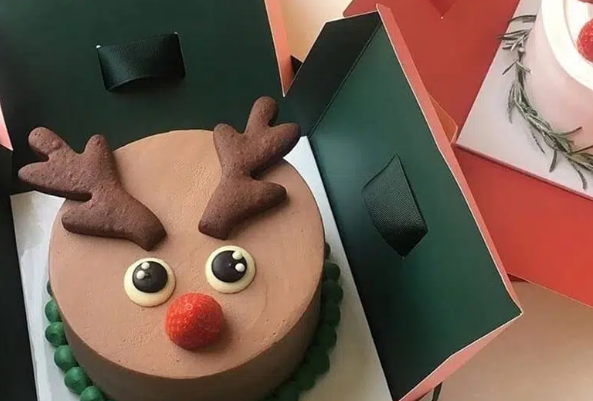
The Impact of Materials on Preservation
Baking food boxes commonly use cardboard, kraft paper, and environmentally friendly corrugated paper. These materials perform well in terms of safety and printability. High-density cardboard can increase oxygen barrier properties, reducing the impact of air on food, thereby extending the preservation time. Some packaging also uses food-grade plastic windows, ensuring product visibility while preventing moisture loss or external contamination.
Key points for material selection include:
- Moisture resistance: Keeping baked goods dry and preventing spoilage due to moisture.
- Oil resistance: Reducing the impact of oil penetration from cakes or bread on the packaging.
- Environmentally friendly and biodegradable: Balancing preservation function with green environmental protection requirements.
A reasonable combination of materials not only improves printing quality but also provides a basic guarantee for food preservation.
Printing Process and Preservation Effect
The printing process for baking food boxes has a potential impact on preservation. Offset printing offers vibrant colors, suitable for high-end baking product packaging, but improper ink penetration can affect food safety. Flexographic printing is suitable for mass production, exerts less pressure on the paper, and helps maintain the integrity of the box, thus reducing the intrusion of air and moisture. Screen printing is often used for partial decoration and has minimal impact on the overall packaging structure. Embossing can enhance packaging rigidity and improve its resistance to compression, reducing food breakage during transportation and indirectly extending the preservation effect.
Food-Grade Inks and Protection
Food-grade inks must be used for printing baking food boxes to ensure that the packaging does not contaminate food during contact. Water-based inks and soy inks are commonly used choices, as they are not only environmentally friendly but also avoid the impact of harmful chemicals on food quality. During the printing process, ink thickness and coating both affect the packaging’s airtightness; proper control can reduce air and moisture penetration, thus helping to extend the food’s shelf life.
The Role of Packaging Design in Preservation
Packaging design not only reflects aesthetics but also directly affects preservation. A well-designed folding structure and sealing mechanism can reduce air ingress, preserving the original taste and moisture of the food. A transparent window design requires food-grade film material, facilitating display without compromising the seal. Storage recommendations and shelf-life information should be clearly labeled on the packaging to help consumers store the food correctly and extend its shelf life.
Post-processing Techniques and Sealing
Post-processing after printing also affects food preservation. Common methods include:
- Lamination: Glossy or matte lamination improves the moisture resistance of paper packaging.
- UV coating: Prevents printing fading and enhances the surface strength of the packaging, preventing damage.
- Local varnishing or embossing: Improves local protection and increases the packaging’s resistance to pressure.
These processing techniques not only enhance visual appeal but also improve the sealing of the packaging, protecting the food from external environmental influences.
The Relationship Between Transportation and Storage and Preservation
Baked goods are susceptible to compression and moisture during transportation and storage. A well-designed and reinforced box structure reduces damage and air ingress, preserving the food’s original moisture and texture. The application of environmentally friendly materials and protective coatings also maintains packaging integrity during storage and transportation, extending the shelf life of baked goods.
Market Trends and Innovation
As consumers increasingly demand food safety and freshness preservation, baked goods box printing is trending towards a combination of personalization, environmental friendliness, and functionality. High-end product packaging often employs creative designs and multi-layered structures, ensuring visual appeal while improving sealing and protective performance. In the future, the combination of intelligent printing technology and environmentally friendly materials will further enhance the freshness preservation capabilities of baked goods packaging, helping brands gain greater market recognition.
Baked goods box printing is not only a tool for product display and brand promotion but also a crucial element in food preservation. From material selection, printing processes, and the use of food-grade inks to design structure and post-processing, every step affects the preservation effect. The proper application of printing knowledge and technology can extend food shelf life, enhance the consumer experience, and provide a guarantee for baking companies to create high-quality products.

