
The Importance of Bleed Size Marking in Packaging Box Design

In packaging box design, bleed is a crucial yet easily overlooked detail. Bleed refers to the extra area extending around the perimeter of the design draft, used to prevent white edges or errors during printing and cutting. Due to variations in printing equipment and cutting processes, if the design draft doesn’t include bleed, the final product may have uneven edges or exposed white areas, affecting the overall aesthetics and quality. In actual production, there are often slight discrepancies between the design and the finished product, and the bleed serves as a buffer zone to absorb these errors.
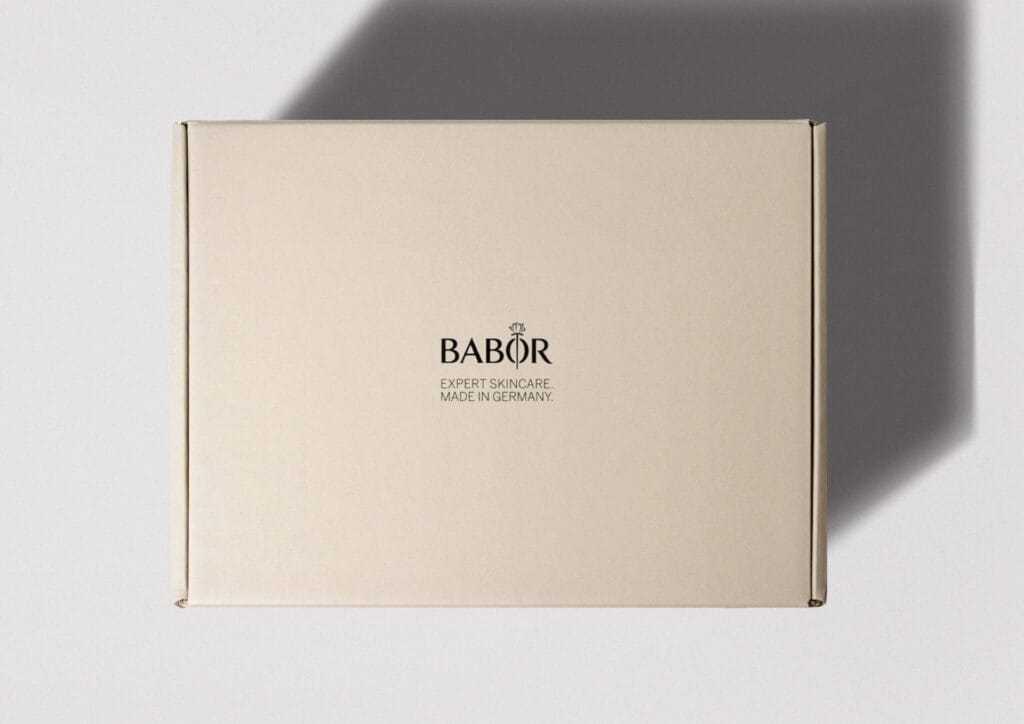
This is especially important for products like packaging boxes that require folding, cutting, and gluing. Correctly marking the bleed size not only ensures printing quality but also reduces rework and improves production efficiency. Therefore, the setting and marking of bleed in packaging box design must be standardized and clear. Designers must not only understand standard dimensions but also flexibly adjust them according to different printing methods and packaging structures to ensure the final product is both aesthetically pleasing and meets production requirements.
Specific Methods for Marking Bleed Area Sizes
· Standard Bleed Area Sizes
Generally, the bleed area in packaging box design is 3mm on each side, which is a common standard in the printing industry. For high-precision printing or special processes, it may be set to 2mm or 5mm, but this needs to be confirmed with the printing plant in advance.
· Clearly Mark the Bleed Range in Design Documents
In design software (such as AI, CDR), the bleed area should extend outside the canvas, and the cut line (finished size) and bleed line (extended size) should be clearly marked. Different colored guide lines are usually used to distinguish them to avoid confusion.
· Avoid Bleed Areas for Important Content
All critical content (such as text, logos, and main graphic elements) should be at least 3-5mm away from the cut line to avoid being cut off. The bleed area is only used for background extensions or decorative patterns.
· Background Images Must Extend to the Bleed Area
If the packaging design contains background colors or images, they must extend to the edge of the bleed area to ensure that no white edges appear after cutting. This is the most important point in bleed design.
· Labeling Based on Die-Cutting Drawings
Packaging boxes are typically made using die-cutting drawings, and the bleed area should extend outwards from the die-cutting pattern. The die-cutting lines, fold lines, and bleed lines should be clearly distinguished during the design process to ensure accuracy in production.
Design Differences with and Without Bleed
If a packaging design lacks bleed, any deviation during printing and cutting will result in noticeable white edges or breaks at the edges. This not only affects the visual appeal but also lowers the overall quality of the product, creating a negative impression on consumers. Conversely, a properly designed bleed will not affect the final result even with slight errors during cutting. Background colors or patterns can naturally extend to the edges, making the packaging look complete and refined. The effect of bleed is particularly noticeable in large areas of solid color or gradient designs. As the comparison shows, although bleed is a small detail in the design, it directly relates to the quality of the finished product and is an important aspect of packaging design that cannot be ignored.
Frequently Asked Questions
Q: Does the bleed always have to be 3mm?
A: Not necessarily. 3mm is the standard, but the specific size can be adjusted according to the printing plant’s requirements or the product type. It’s crucial to communicate beforehand to ensure the dimensions meet production requirements.
Q: Can the bleed area be omitted?
A: It’s not recommended to omit it. Without a bleed area, the risk of cutting errors increases, easily leading to white edges or missing content, affecting the overall effect.
Q: How can I quickly check if the bleed area is correct?
A: Before exporting the file, check if the background extends to the bleed line and if important content is far from the trim line. You can also print a sample for testing.
Important Notes
In packaging box design, the marking of the bleed area is not only a technical requirement but also a reflection of design professionalism. A standardized design document should clearly distinguish between the bleed line, trim line, and safety area, allowing printing personnel to quickly understand the design intent. Proper handling of details can reduce communication costs, improve production efficiency, and ensure a consistent final product effect.
The marking of the bleed area size in packaging box design is a crucial foundation for ensuring printing quality and the final product effect. Although it’s just a design detail, it directly affects the product’s appearance and perceived quality. By setting the bleed area appropriately, problems caused by cutting errors can be effectively avoided, resulting in neater and more natural packaging edges. During the design process, designers need to master standard dimensions and adjust them flexibly according to different projects. Simultaneously, all auxiliary lines must be clearly marked in the design files to ensure smooth printing and production. Standardized operations not only improve design efficiency but also reduce production risks. Furthermore, the handling of bleed areas reflects the professionalism of the design. A meticulous and rigorous design not only focuses on visual effects but also considers actual production needs. Only by combining design with process can a perfect transformation from artwork to finished product be achieved. Moreover, bleed areas are not optional additions but an indispensable part of packaging design. Only by paying attention to this detail can the packaging achieve the desired effect in the final presentation, allowing the product to maintain a good image and competitiveness in the market.

