
What are some common packaging printing processes?

Packaging not only protects products but also serves as an important medium for brand display. With increasing market competition, more and more companies are focusing on the visual appeal and quality of their packaging. To make packaging more aesthetically pleasing, durable, and easily recognizable, the printing industry has developed various processing techniques. Different techniques can achieve different decorative effects and performance characteristics; a reasonable combination can enhance product quality and increase consumer brand awareness.
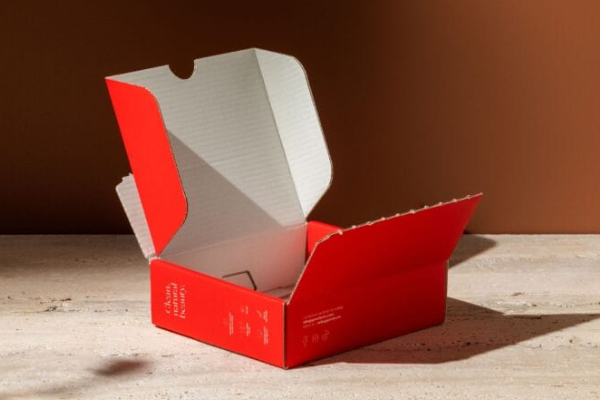
The Important Role of Packaging Printing Processes
Packaging printing processes not only affect the product’s appearance but also its wear resistance, moisture resistance, and display effect. Ordinary printing can present graphic and textual information, while subsequent processes can add depth and visual impact. For example, high-end gift boxes, cosmetic packaging, and electronic product packaging often use a combination of processes to make the packaging more refined. Through the combination of different processes, packaging can gain greater appeal on shelves, thereby increasing consumer attention and purchasing intention.
What are some common surface decoration processes?
The most common surface decoration processes in the packaging printing industry include the following:
- Lamination process: Covering the printed surface with a protective film to improve wear resistance and water resistance.
- Polishing: Increases the gloss of the packaging surface, making colors more vibrant.
- Spot UV Finish: Highlights specific patterns or text, enhancing the three-dimensional effect.
- Matte Finish: Creates a delicate tactile feel, improving the packaging’s texture.
- Reverse UV Finish: Enhances the visual effect by contrasting glossy and matte surfaces.
These processes are widely used in food packaging, gift boxes, and brand promotional packaging.
Application of Hot Stamping in Packaging
Hot stamping (gold and silver) is a widely used decorative technique in the packaging industry. By transferring metal foil to the packaging surface under high temperature and pressure, a metallic sheen can be created. Brand logos, product names, and important patterns are often treated with this technique to make the packaging look more upscale. Besides gold and silver, laser, colored, and special textured hot stamping materials are now available on the market to meet the design needs of different products. High-quality hot stamping effects can significantly improve the visual grade of packaging and enhance brand recognition.
Processing Techniques to Enhance 3D Effects
To enhance the tactile and visual experience of packaging, many products employ 3D processing techniques:
- Embossing: Creates raised or recessed effects.
- Relief: Increases the layering and artistic effect of the packaging.
- Embossing: Makes text and patterns stand out more.
- Embossing: Simulates the textures of leather, fabric, etc.
- Die-cutting: Creates irregularly shaped packaging structures.
These techniques allow packaging to move beyond a flat appearance and enhance the product’s display value.
How to Choose the Appropriate Process Based on the Product
Different products have different requirements for packaging processes. Food packaging prioritizes environmental friendliness and protective performance, usually prioritizing practical processes such as lamination and varnishing; cosmetics and gift packaging emphasize visual appeal, often incorporating hot stamping, UV coating, and embossing; electronic product packaging typically pursues a simple and high-end style, with partial UV coating and frosted finishes being frequently used. When developing a packaging plan, it is necessary to comprehensively consider product positioning, budget, and target consumer groups. A suitable combination of processes can not only improve packaging quality, but also help enhance brand image and allow products to achieve better presentation in market competition.

