
What are some commonly used inks in packaging printing?

Packaging printing is widely used in food, daily necessities, electronic products, and industrial packaging, and ink is one of the most important materials determining the printing effect. Different packaging materials, printing processes, and usage environments have different requirements for ink performance. Choosing the right ink can not only improve the clarity of the pattern but also affect adhesion, abrasion resistance, and environmental performance.
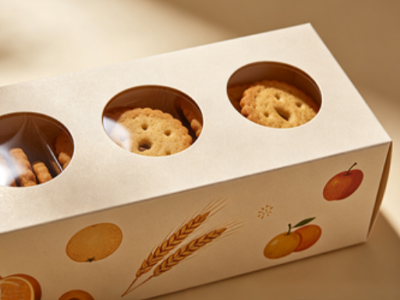
Water-based inks are widely used in environmentally friendly packaging
Water-based inks are a common type in packaging printing. Their main characteristics are that they use water as a solvent, have low volatility, and good environmental performance. Due to their mild odor, they are widely used in food packaging, cardboard box printing, and children’s product packaging. This type of ink has stable adhesion on paper materials and dries quickly. However, on smooth materials such as plastic films, surface treatment processes are usually required to improve adhesion and printing stability. With increasing environmental requirements, the use of water-based inks is constantly increasing.
Solvent-based inks are suitable for high-speed printing
Solvent-based inks have strong adhesion and are very commonly used in plastic packaging printing.
- Fast drying speed, suitable for high-speed production
- Strong adhesion to plastic films
- More vibrant printing colors
- Relatively high abrasion resistance
- Suitable for complex packaging materials
These inks are widely used in flexible packaging, composite film packaging, and industrial packaging. However, due to their high volatility, they require more stringent environmental conditions.
UV Inks Have High Surface Gloss
UV inks are a type of ink that cures rapidly under ultraviolet light and are increasingly widely used in high-end packaging printing. They are characterized by fast curing speed and high surface gloss after printing, enhancing the visual appeal of the packaging. UV inks are frequently used in cosmetic packaging, electronic product packaging, and premium gift boxes. These inks have good abrasion resistance and are less prone to fading. Their short curing time also improves overall production efficiency.
Flexographic Printing Inks Are Suitable for Mass Packaging Production
Flexographic printing inks typically have high fluidity, making them suitable for high-speed continuous printing.
- Suitable for corrugated cardboard box printing
- Can be used in food flexible packaging production
- Strong adaptability to various materials
- Relatively stable ink transfer efficiency
- Suitable for large-scale continuous processing
Flexographic inks have a very wide range of applications in the packaging industry, especially suitable for large-scale production environments with high cost control requirements.
Special Functional Inks Can Enhance Packaging Effects
In addition to conventional inks, some special functional inks are also used in packaging printing, such as metallic inks, anti-counterfeiting inks, and fluorescent inks. These inks can not only enhance visual effects but also improve packaging recognition and security. Some high-end product packaging uses special inks to achieve three-dimensional effects, optically variable effects, or localized luminescence effects, thereby enhancing the product’s presentation. With the continuous improvement of packaging design requirements, the application of special functional inks in the market is becoming increasingly diverse.

