
What are the best custom packaging boxes for e-commerce?

For e-commerce, a packaging box is more than just a container for the product. If the box is too large, shipping volume increases. If it is too small, the product can get squeezed or damaged. If the board is too thin, the box may deform during delivery. If it is too thick, costs can quickly rise. When ordering custom packaging boxes for the first time, many customers focus on printing and colors. In practice, box style, size, board strength, and internal protection have a much bigger impact on shipping performance.
What Type of Custom Packaging Box Is Best for E-Commerce?
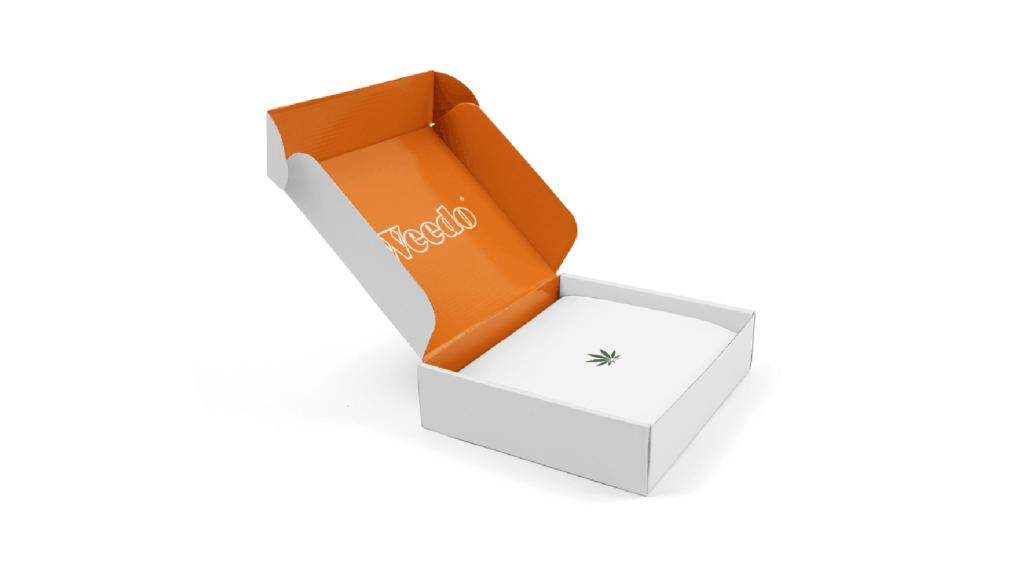
E-commerce products go through warehouse packing, handling, sorting, and last-mile delivery. The packaging needs to provide reliable protection while still offering a good unboxing experience. Mailer boxes and corrugated custom boxes are common choices for direct shipping.
- E-flute corrugated mailer boxes: With a typical thickness of about 1.5 mm and 32 ECT, they work well for lightweight e-commerce products. Their relatively smooth surface also supports good printing quality.
- B-flute corrugated boxes: At around 3.0 mm thick with 42+ ECT, they are more suitable for heavier products, glass items, and products that need stronger compression resistance.
- Boxes with inserts or dividers: For multiple products in one box or products that are sensitive to impact, custom dividers can often provide better protection than simply using thicker board.
- Folding cartons inside mailer boxes: These work well for products that need retail-style presentation. The inner carton handles presentation while the outer mailer box provides shipping protection.
For many lightweight e-commerce products, I would start with an E-flute mailer box. Heavier, fragile, or multi-item products may need a stronger structure.
How Do You Choose the Right Custom Packaging Box Size?
Box size is easy to overlook when planning e-commerce packaging. A larger box may seem safer, but too much empty space can increase the need for filler and shipping volume. The box is usually designed around the product’s actual dimensions, with enough room for appropriate protective materials. Some industry references suggest starting with around 1–2 cm of clearance in each direction, although the exact space depends on the product shape and protective material.
- Small single products: Keep the box close to the product’s outer dimensions to reduce movement during shipping.
- Multi-item packages: Decide how the products will be arranged before designing the box. Inserts or dividers can then be built into the structure.
- Clothing products: Some extra space may be useful for folding, but there is usually no need to make the box unnecessarily deep.
- Fragile products: Allow enough space for protective materials. Glass bottles and ceramic products require particular attention to internal cushioning.
When ordering, it helps to provide the packaging supplier with the product dimensions, individual weight, number of products per box, and insert requirements. This gives the manufacturer much more useful information than simply providing length, width, and height.
How Should Different E-Commerce Products Choose Custom Packaging Boxes?
E-commerce products have different packaging requirements. Skincare products, clothing, food, and electronics all need different levels of protection. The following table can be used as an initial reference:
| E-Commerce Product | Recommended Packaging | Key Concerns | Main Selection Point |
| Beauty and skincare | E-flute mailer / carton + mailer | Appearance, compression, unboxing | Control size and reduce movement |
| Clothing and accessories | Lightweight mailer box | Weight, volume, cost | Avoid unnecessary board thickness |
| Food and snacks | Corrugated mailer box | Shipping stability, clean interior | Add dividers for multi-item packs |
| Electronics | B-flute or reinforced box | Compression, impact protection | Focus on insert design |
| Glass bottles | Reinforced corrugated box + dividers | Shock and impact protection | Keep products securely separated |
| Subscription boxes | E-flute custom mailer box | Consistent sizing, unboxing | Use one box structure for multiple combinations |
In a 2026 e-commerce snack subscription packaging case, a 250 × 180 × 60 mm E-flute corrugated mailer box was used with custom corrugated dividers inside. The same structure was later adapted for three subscription tiers and seasonal gift boxes, reducing the need to develop completely new packaging structures for each version.
What Are the Most Common Mistakes When Buying Custom E-Commerce Packaging Boxes?
- Looking only at the box price: A cheaper but oversized box can require more filler material and increase shipping volume.
- Assuming thicker board is always better: E-flute at around 1.5 mm and 32 ECT can cover many lightweight products. Heavier products may require B-flute at around 3.0 mm and 42+ ECT.
- Ignoring product movement inside the box: In real e-commerce packaging cases, damage is not always caused by insufficient board thickness. Products moving around and hitting each other can also be a major problem. Custom dividers and individual compartments can help control movement.
- Ordering a large quantity too early: If a product is still being tested, a smaller order can be safer. Some custom mailer box suppliers offer MOQs as low as 50 units, allowing sellers to test the box before committing to larger quantities.
- Focusing only on appearance: E-commerce packaging has to survive real shipping conditions. Sample testing should include packing, sealing, stacking, transport simulation, and opening rather than relying only on a 3D design.
The real test of a custom e-commerce packaging box comes when the customer receives the package. For lightweight products, an E-flute mailer around 1.5 mm thick can meet many common needs. Heavier or fragile products may require stronger board and better internal protection. Getting the size, product positioning, and shipping protection right before focusing on printing and unboxing design is often a more practical way to control packaging costs.

