
What are the common types of packaging materials and their characteristics?

In the modern commodity circulation system, packaging materials not only bear the basic functions of protecting products, preventing damage, and extending shelf life, but also directly affect the product’s appearance, brand image, and consumer purchasing experience. With constantly changing consumer demands and increasing environmental awareness, the selection of packaging materials is no longer just a trade-off between cost and function, but a comprehensive consideration of factors such as safety, sustainability, visual appeal, and ease of use. Different types of products have different requirements for packaging materials. For example, food emphasizes safety and airtightness, electronic products focus on shockproof and moisture-proof protection, while daily necessities prioritize portability and aesthetics.
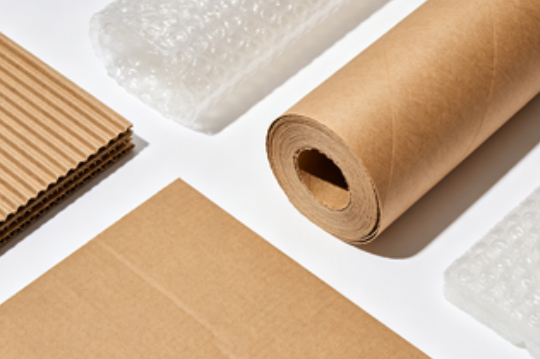
Common Packaging Materials
· Paper Materials
Including cardboard boxes, corrugated cartons, kraft paper, etc. These are characterized by low cost, high recyclability, and good printability, making them suitable for outer packaging and transport packaging, but their water resistance is relatively weak.
· Plastic Materials
Such as PET, PE, PP, etc., have the advantages of being lightweight, having good moisture resistance, and high plasticity. They are widely used in food and daily necessities packaging, but environmental issues are more prominent.
· Glass Materials
High transparency, chemically stable, and unlikely to react with contents, suitable for high-end food or beverages, but heavy and fragile.
· Metal Materials
Such as aluminum cans and iron cans, offering excellent sealing and barrier properties, extending product shelf life, but more expensive and opaque.
· Composite Materials
Composed of multiple materials, such as aluminum-plastic composite bags, combining the advantages of various materials, but more difficult to recycle.
Differences Between Materials
Paper materials are the most environmentally friendly, but weaker in moisture resistance and strength; plastic materials excel in lightweight and sealing, but face greater environmental pressure; glass materials offer significant advantages in safety and a premium feel, but have high transportation costs; metal materials excel in sealing and protection, suitable for long-term storage; while composite materials compensate for the shortcomings of single materials through multi-layered structures, but also present recycling difficulties.
Key Questions about Packaging Materials
Q: Why is plastic packaging still widely used?
A: Because of its low cost, stable performance, and wide applicability, it is currently difficult to completely replace.
Q: Is glass packaging safer? A: Generally speaking, they are more stable and less prone to chemical reactions, but transportation safety needs to be considered.
Q: Are environmentally friendly materials always better?
A: Not necessarily. It needs to be judged comprehensively based on product characteristics and actual usage scenarios.
Q: Why are composite materials difficult to recycle?
A: Because multiple materials are mixed together, separation is costly and technically complex.
Practical Application Effects of Different Materials
For example, in the food industry, snacks often use plastic bags or composite material packaging to ensure airtightness and extend shelf life; high-end beverages or condiments often use glass bottles to enhance product quality and ensure safety; corrugated cardboard boxes are widely used in express delivery, protecting goods and facilitating recycling; canned foods are usually packaged in metal cans for long-term preservation; and some organic or environmentally friendly brands prioritize biodegradable paper or environmentally friendly plastic materials to reinforce their brand philosophy.
Common packaging materials each have their own characteristics, and there is no absolute superiority or inferiority. Paper emphasizes environmental protection and cost advantages, plastic highlights lightness and practicality, glass embodies safety and texture, metal focuses on sealing and protection, while composite materials pursue performance integration. During the design process, the most suitable material combination is selected based on the product characteristics, while also taking into account cost control and environmental protection requirements. Only by achieving a balance between function, visual appeal, and sustainability can packaging materials truly realize their value, protecting the product and enhancing the overall user experience.

