
What are the current mainstream trends in food packaging design?

In today’s context of consumption upgrading and increasingly fierce brand competition, food packaging design is no longer just a simple tool for “protecting products” and “conveying information,” but has gradually developed into an important medium connecting brands and consumers. From visual appeal to emotional resonance, from environmental protection concepts to intelligent interaction, packaging is taking on more and more functions. Especially in the highly developed environment of e-commerce and social media, packaging not only needs to stand out on the shelf, but also needs to be “communicable,” able to attract users to take photos, share, and even spread the word in a short time. At the same time, consumers’ attention to health, environmental protection, and personalization is constantly increasing, which is also forcing companies to innovate and upgrade their packaging design. Current food packaging design presents a comprehensive trend of “visual simplification, information transparency, environmentally friendly materials, and interactive experience.” Design is no longer a single dimension, but a multi-dimensional expression that integrates aesthetics, function, technology, and culture.
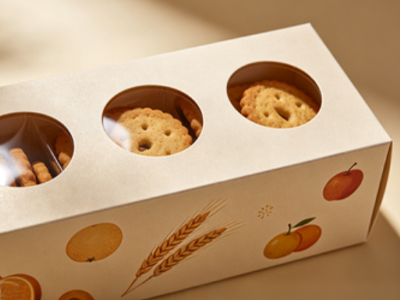
Six Main Directions
· Minimalist Style Design: Reducing complex patterns and text, highlighting brand logos and core information, making the product more sophisticated.
· Environmentally Friendly and Sustainable Materials: Using biodegradable and recyclable materials, reducing plastic use, and emphasizing green concepts.
• Transparent Design: Transparent windows or simple labels allow consumers to see the product directly, enhancing trust.
• Cultural and Storytelling: Incorporating local culture, brand stories, or emotional elements makes the packaging more personal.
• Enhanced Functionality and Convenience: Features such as easy opening, resealable packaging, and smaller portions improve the user experience.
• Digital and Interactive Packaging: Utilizing QR codes, AR, and other technologies enables online interaction and information extension.
Differences Between Traditional Packaging and Modern Trends
Comparing traditional food packaging with current mainstream trends reveals a clear direction of change. Past packaging focused on information overload, often using extensive text and images to emphasize product features, which could easily lead to visual fatigue. Today, the emphasis is on “less is more,” using white space and highlighting key elements to improve recognizability. Regarding materials, traditional packaging is cost-driven, often using plastics or composite materials, while modern design leans towards environmental protection and sustainability, even making environmental friendliness a selling point. In terms of consumer interaction, packaging used to be a one-way information delivery system, but now it emphasizes two-way communication, such as scanning codes to learn about traceability information or participate in brand activities. This shift from “function-oriented” to “experience-oriented” is the core manifestation of the upgrade in food packaging design.
Frequently Asked Questions
Q: Why is minimalist design becoming increasingly popular?
A: Because consumers have less time to acquire information, simple designs are easier to quickly recognize and also better align with modern aesthetics.
Q: Will environmentally friendly packaging increase costs?
A: In the short term, it may, but in the long term, it helps improve brand image and aligns with policy trends, possessing strategic value.
Q: Will transparent packaging affect product shelf life?
A: It requires consideration of material and structural design. Some products are suitable for transparent display, while others need to be protected from light.
Q: Is interactive packaging really necessary?
A: For younger consumers, interactivity can enhance engagement and brand loyalty, making it an important marketing tool.
Case Studies
For example, some high-end nut brands use minimalist white packaging, retaining only the brand name and product information to create a sense of high quality; while organic food brands extensively use kraft paper and green elements to reinforce their environmental protection concept. Another example is that some beverage brands add QR codes to their bottles, allowing consumers to scan the code to check the source of ingredients or participate in prize draws. This design not only enhances interaction but also increases user dwell time. Furthermore, some local specialty foods incorporate traditional patterns or hand-drawn illustrations into their packaging, reflecting cultural characteristics and enhancing product recognition. These real-world examples illustrate that current trends are not isolated but rather a comprehensive application of multiple elements.
The changes in food packaging design essentially revolve around “consumer needs.” Whether it’s visual simplicity, environmentally friendly materials, or interactive experiences, the goal is to make products easier to understand, more trustworthy, and more shareable. Design is no longer just about aesthetics but is part of brand strategy. By appropriately utilizing these trends, companies can not only enhance product competitiveness but also establish a clearer brand image in the minds of consumers. In general, current food packaging design is developing in a more human-centered, sustainable, and communicative direction, which is also an important manifestation of the industry’s continuous progress.

