
What are the current trends in gift box packaging design?

In today’s consumer market, gift box packaging design is no longer just an external protective structure for products, but an important component of brand image, consumer experience, and emotional expression. With the continuous improvement of consumer aesthetics and the influence of social media, the design methods of gift box packaging are constantly evolving. More and more brands realize that excellent gift box packaging can not only enhance product value but also strengthen consumers’ purchasing desire and brand memory.
In recent years, the trend of gift box packaging design has clearly moved towards diversification. On the one hand, increased environmental awareness has made sustainable packaging an important direction; on the other hand, visual presentation, material experience, and interactive experience are also receiving increasing attention. Consumers not only care about whether the packaging is aesthetically pleasing, but also whether it is environmentally friendly, creative, and provides a unique unboxing experience. Especially in holiday gift boxes, e-commerce gift boxes, and high-end gift packaging, packaging design often becomes an important means of brand differentiation. At the same time, the development of digital technology has also brought new possibilities to packaging design. For example, through QR codes and interactive design, traditional gift box packaging can be combined with digital content to enhance brand communication effects.
Minimalist Design
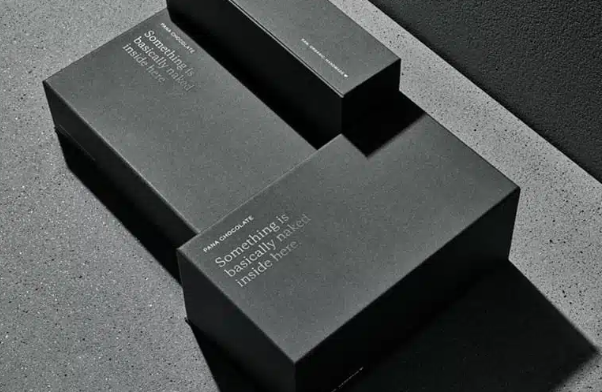
Minimalist style is a very important trend in current gift box packaging design. This design emphasizes the “less is more” philosophy, making packaging cleaner and more sophisticated by reducing complex elements. The design typically features:
· Simple layout structure
· Ample white space
· Prominent brand text
Minimalist design allows consumers to quickly identify product information while enhancing the overall quality. Many high-end brands adopt this approach because simple visual expression more easily conveys a sense of luxury. Research indicates that modern packaging increasingly tends to use simple layouts and bold typography to strengthen brand impressions.
Environmentally Friendly Materials
Environmentally friendly packaging has become an important direction in gift box design. As consumers become more environmentally conscious, more and more brands are starting to use sustainable materials, such as recycled paper, kraft paper, and biodegradable materials.
These materials not only reduce environmental impact but also create a natural texture and visual effect. Many brands even make the materials themselves part of the design, such as retaining the natural texture or fiber structure of paper. Research shows that recyclable and biodegradable packaging is becoming an industry standard, not an option.
Emphasis on Texture and Craftsmanship
Current gift box design increasingly emphasizes tactile experience.
Many packaging materials utilize special processes to enhance their texture, such as:
· Embossing
· Hot stamping (gold or silver)
· Spot UV coating.
These processes make the packaging more refined visually and tactilely, thereby increasing the perceived value of the product. By combining different materials and surface treatments, packaging can create richer layers, making gift boxes appear more upscale.
Interactive Packaging
With the development of digital technology, interactive packaging is becoming increasingly popular.
Interactive design typically includes: QR code scanning, AR interactive experiences, and NFC smart tags. Consumers can scan the packaging with their mobile phones to learn about the product story, brand culture, or usage methods. This not only enhances consumer engagement but also extends the interaction time between the brand and consumers. Interactive packaging is considered an important way to connect physical products with digital content.
Personalized Design
Personalized packaging is attracting increasing attention from brands. With the development of digital printing technology, brands can design different versions of gift boxes based on different holidays, regions, or even individual needs. Examples include: limited-edition holiday packaging, customized name gift boxes, and regional cultural versions. This design approach strengthens the emotional connection with consumers, making the product more commemorative. Personalized packaging also helps brands gain more attention on social media. Vibrant Colors and Creative Graphics
Besides minimalism
Another popular trend is the use of bold colors and creative graphics.
This design typically employs: highly saturated colors, playful illustrations, and lively graphic elements.
For example, some brands use bright color combinations reminiscent of fruit colors to make the packaging appear youthful and energetic. This design is particularly suitable for food, cosmetics, or products targeting younger consumers.
Cultural and Storytelling
In recent years, many gift box designs have begun to emphasize cultural elements. Designers incorporate traditional patterns, local culture, or brand history into the packaging, such as traditional motifs, hand-drawn illustrations, and cultural symbols. This design approach can give products more cultural depth while enhancing the brand’s narrative. Telling the brand’s background through visual elements can create a deeper emotional resonance with consumers.
Currently, gift box packaging design shows a trend of diversified development. From minimalist styles to bold colors, from environmentally friendly materials to interactive technologies, different design directions are constantly influencing the development of the packaging industry. When designing gift box packaging, brands need to pay attention to visual aesthetics, as well as environmental protection concepts, user experience, and brand expression. Current trends in gift box packaging design include minimalist visual styles, the use of environmentally friendly materials, enhanced texture and craftsmanship, interactive packaging, personalized customization, vibrant color designs, and the expression of cultural stories. These trends reflect a shift in packaging design from a singular visual approach to a comprehensive experiential design, making gift boxes not only protective but also important vehicles for brand communication and emotional exchange.

