
What are the differences in food packaging design preferences among different age groups?

In today’s increasingly segmented food market, the differences in packaging design preferences among consumers of different age groups are becoming more and more apparent. Packaging is not just a visual presentation, but also an important medium for communication with users, and age is a key factor influencing consumption habits, aesthetic preferences, and information reception methods. Younger consumers typically pay more attention to individual expression, visual impact, and interactive experiences; they are easily attracted to novel, interesting, and even socially relevant packaging. Middle-aged consumers, on the other hand, prioritize practicality, quality, and clarity of information, hoping to quickly determine product reliability through packaging. As for the elderly, they often prefer simple, intuitive, easy-to-read, and easy-to-use designs, and have a lower acceptance of complex visuals and new technologies. Furthermore, with changes in lifestyle and consumption scenarios, different age groups have different priorities regarding “convenience,” “health information,” and “brand trust.” Therefore, food packaging design must be precisely tailored to the target audience, rather than adopting a uniform style; otherwise, it will be difficult to stand out in a highly competitive market. Age-related differences are not only reflected in visual style but also extend to functional design and information delivery methods.
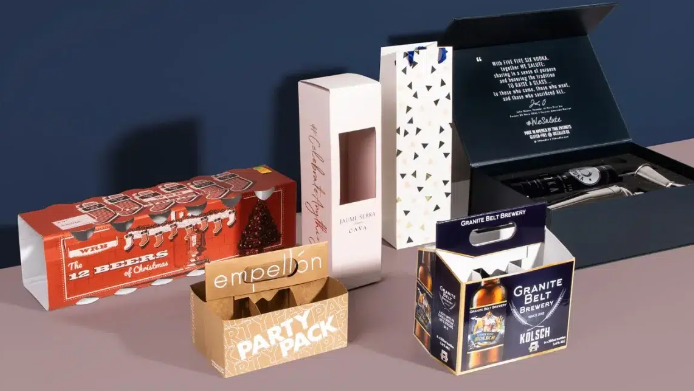
Preferences by Age Group
· Children (approx. 3-12 years old)
Prefer brightly colored and patterned packaging, such as cartoon characters and animal patterns. They also like interesting designs, such as uniquely shaped packaging or packaging with small toys.
· Teenagers and Young Adults (13-30 years old)
Value design and individual expression. They prefer minimalist styles, trendy elements, or collaborative designs. They are also highly receptive to interactive features (such as QR codes and AR experiences).
· Middle-aged (30-50 years old)
Focus on product information and quality. They prefer simple yet complete packaging. They emphasize health, ingredients, and brand reputation. Their visual style tends to be conservative.
· Elderly (50 years and older)
Prefer clear fonts and strong contrasts. They avoid excessive decoration. They value practical functions such as easy opening and easy identification. They also trust traditional styles.
Core Differences Between Age Groups
A horizontal comparison between different age groups reveals significant differences. Children and young people are more easily attracted to visual stimuli, pursuing “good-looking” and “fun” designs, while middle-aged and elderly people focus more on “practicality” and “credibility.” Regarding information reception, young people are accustomed to scanning QR codes to obtain more content, while the elderly prefer to read the text instructions directly on the packaging. In terms of design style, young people prefer innovation and change, such as collaborations and limited editions, while middle-aged and elderly people prefer stable and familiar brand images. Furthermore, in terms of functional needs, young people are more interested in portability and small packaging, while middle-aged and elderly people focus more on airtightness, freshness preservation, and ease of use. These differences indicate that packaging design cannot be “one-size-fits-all” but should be differentiated according to different groups to better meet market demands.
Common Questions and Misconceptions
Q: Do young people necessarily like complex designs?
A: Not necessarily. While young people like individuality, minimalism is also currently popular; the key is whether the design is aesthetically pleasing.
Q: Do the elderly reject all new technology packaging?
A: Not entirely, but their acceptance is lower, requiring more intuitive and simpler designs.
Q: Does children’s packaging only need to be “good-looking”?
A: Besides visual appeal, safety and educational value also need to be considered, such as non-toxic materials and age-appropriate design.
Q: Can the same packaging cover all age groups?
A: Yes, but the effect is usually limited. Precise design is more likely to improve purchase conversion.
Design Practices Targeting Different Age Groups
For example, children’s snacks often use cartoon IP characters and brightly colored packaging to make the product more noticeable on the shelf; some beverage brands targeting young people launch limited-edition co-branded packaging or trendy illustration designs, even creating buzz through social media; while health foods targeting middle-aged consumers usually use simple layouts and clear labeling, such as highlighting “low sugar” and “no additives”; as for traditional pastries or health foods commonly used by the elderly, larger fonts, traditional color schemes (such as red and gold), and easy-open structures are used. These examples all demonstrate a common point: packaging design always revolves around the target user, rather than simply pursuing visual effects.
The differences in food packaging preferences among different age groups are mainly reflected in three aspects: visual style, information needs, and functional experience. Children and young people prioritize fun and individuality, middle-aged people emphasize quality and clear information, while the elderly focus on practicality and readability. This difference requires designers to clearly define their target audience and design around their needs when developing packaging, rather than simply applying current trends. Only by truly understanding the consumption psychology of different age groups can packaging be both aesthetically pleasing and possess practical value, thereby enhancing the product’s market competitiveness.

