
What are the key points of color design for packaging boxes?

In packaging design, color is one of the most direct and easily perceived elements by consumers. A successful color design not only attracts attention but also conveys brand value, highlights product characteristics, and creates a clear memory in the consumer’s mind. In the modern consumer market, when faced with a dazzling array of products, consumers often decide whether to be interested within seconds, and color is a crucial factor influencing this decision. Correct color design can make packaging stand out visually and simultaneously create emotional resonance, thereby increasing the willingness to purchase.
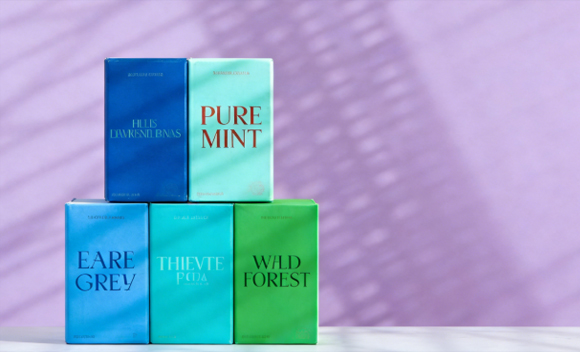
Color is not only a means of aesthetic expression but also a tool for information transmission. Different colors can evoke different emotions; for example, red can stimulate passion and appetite, blue conveys trust and a sense of technology, and green represents nature and health. The color strategies for packaging vary greatly depending on the type of product, such as high-end brands, fast-moving consumer goods, food, and cosmetics. Designers need to combine product attributes, brand positioning, and target consumer groups to conduct scientific color design and matching, making the packaging both beautiful and practical, visually capturing consumers’ attention and establishing brand identification emotionally.
Defining the Main Color Scheme
The main color scheme is the core of the packaging visual appeal. Key Message Emphasis:
Unified Overall Style: Ensures visual harmony in packaging.
Color Psychology Matching: For example, red for snacks, blue for technology products.
For instance, skincare packaging uses beige as the main color, accented with gold, creating a soft and high-end overall style.
Color Emotional Expression
Different colors can guide consumers’ emotions and psychological feelings.
Red: Passionate, stimulates appetite, suitable for snack or beverage packaging.
Blue: Rational, technologically advanced, suitable for electronics and skincare products.
Green: Natural, healthy, suitable for organic or environmentally friendly products.
Pink: Gentle, youthful, suitable for cosmetics or children’s products.
For instance, tea packaging uses green as the main color to convey a natural and healthy brand concept.
Contrast and Layering
Appropriate color contrast can enhance visual impact.
Warm/Cool Contrast: Orange paired with blue attracts attention.
Light/Dark Contrast: Dark backgrounds with light text highlight key elements.
Saturation Contrast: Combining highly saturated and low-saturated colors enhances the sense of layering.
For instance, beverage packaging uses a bright yellow background with a dark blue logo, making the brand identity immediately recognizable.
Color Quantity Control
Too many colors can easily cause visual confusion.
Main color + secondary color + accent color should be limited to three types.
Secondary colors are used for details or secondary elements.
Accent colors are used to emphasize information or for decoration.
For example, a high-end perfume gift set uses dark blue as the main color, with silver accents on the brand logo, creating an overall simple and elegant look.
Product Attribute Matching
Colors should match the product characteristics and usage scenarios.
Food: High-saturation, bright colors enhance appetite.
Cosmetics: Soft colors enhance gentleness.
High-end products: Dark, low-saturation colors increase stability and quality.
For example, a lipstick set uses nude pink packaging to enhance gentleness, while a gold logo accent adds a high-end feel.
Brand Color Consistency
A consistent brand color helps establish long-term brand recognition. Maintain a consistent brand primary color and use it consistently across different product lines.
Strengthen the brand color in key locations to improve brand recognition. For example, a high-end skincare brand uses dark blue as the unified packaging color, allowing consumers to quickly identify the brand.
Gradients and Layers
Gradient colors and layering can enhance visual richness.
• Color gradients add a sense of depth and dynamism.
• Layering guides the visual focus.
• Localized gradients can be used to highlight important elements.
For example, beverage packaging using a red-to-orange gradient makes the product more attractive on the shelf.
Material and Color Combination
Packaging materials affect the presentation of colors.
Matte materials: Soft colors, appearing sophisticated.
Glossy materials: Vibrant colors, visually impactful.
Specialty paper or metal materials: Enhance color layering and texture.
For example, an essence gift box using a matte paper box paired with a low-saturation green creates a warm and high-end overall feel.
Environmental Adaptability
Packaging colors should adapt to the display environment.
E-commerce platforms: High-contrast colors stand out more on screens.
Offline shelves: Differentiated colors increase attention.
Gift packaging: Colors should match the festive atmosphere and sense of occasion.
For example, a Chinese New Year gift box using a combination of red and gold creates a striking visual effect and fits the festive atmosphere.
In packaging design, color is not only an aesthetic decoration but also a crucial tool for information delivery and psychological guidance. By employing strategies such as defining a primary color, expressing emotional nuances through color, contrast and hierarchy, quantity control, product matching, brand color consistency, gradient variations, material integration, and environmental adaptability, designers can create packaging that resonates with consumers both visually and psychologically. Key elements of packaging color design include: a clear primary color scheme, emotional expression through color, contrast and hierarchy, control of color quantity, matching with product attributes, brand color consistency, gradient and hierarchical variations, material and color integration, and environmental adaptability. The proper application of these principles allows packaging to stand out in the market, enhance brand recognition and the consumer buying experience, and simultaneously strengthen the product’s visual and psychological appeal.

