
What are the learning values of high-end brand packaging box design?

In an increasingly competitive market, high-end brand packaging design is often considered an important reference case in the design field. Compared to ordinary product packaging, high-end brands typically invest more resources in packaging design, with systematic planning and repeated refinement from material selection, visual expression, structural design to detailed craftsmanship. Therefore, high-end brand packaging is not merely a product shell, but a comprehensive reflection of brand value and design philosophy. Studying and learning from high-end brand packaging design is of great reference value for designers, brand operators, and packaging industry practitioners.
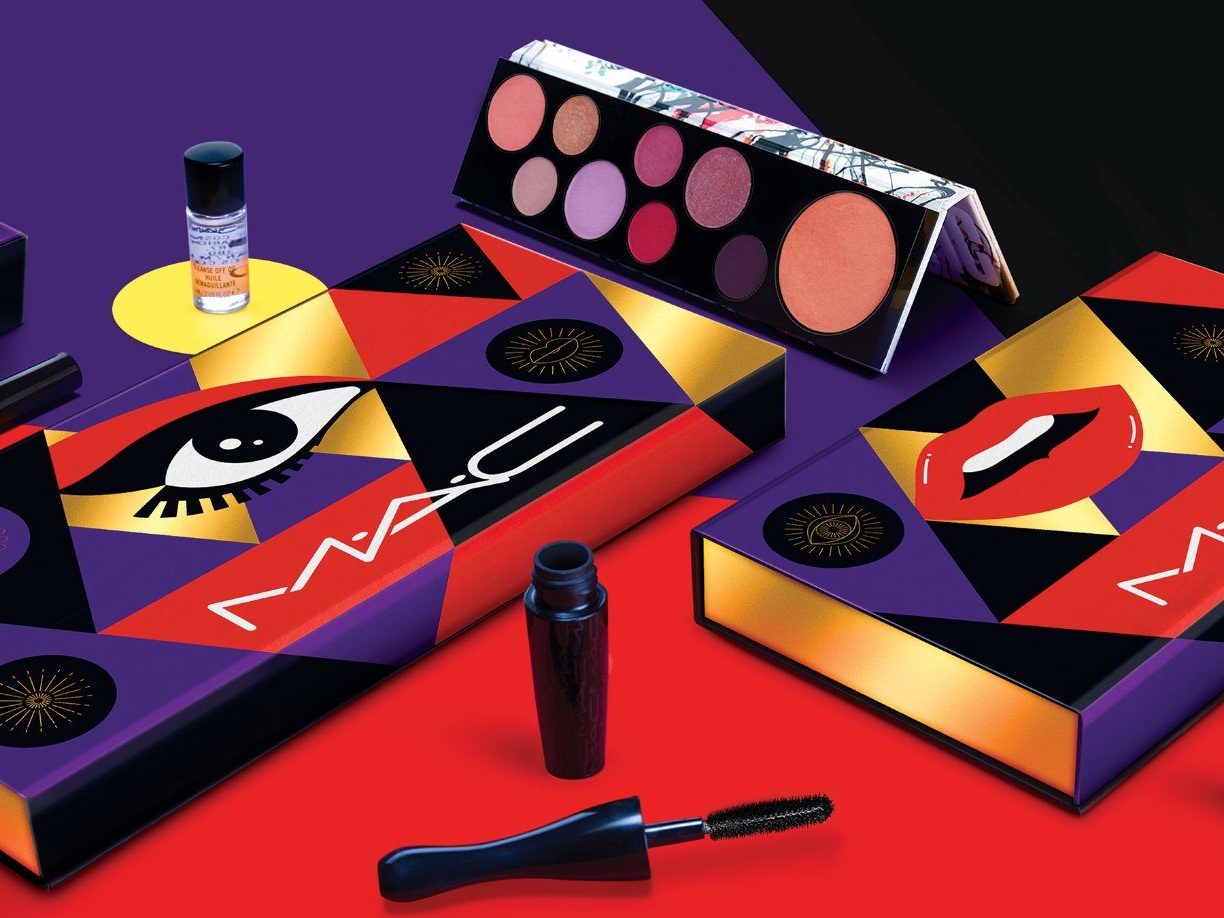
The reason why high-end brand packaging design is worth studying is that it often contains mature design logic and clear brand expression. Many successful brands have developed stable visual systems and packaging languages over a long period of development, allowing consumers to recognize the brand image at first glance. At the same time, high-end packaging usually pays more attention to detail, such as material texture, printing process, opening experience, and overall structural proportions. These design details often determine the product’s sense of luxury and quality. By analyzing high-end brand packaging design, designers can understand how to combine brand positioning, consumer psychology, and visual design. Studying these excellent examples can not only improve design thinking but also help designers make more rational design decisions in actual projects. Below, we analyze the learning value of high-end brand packaging design from several aspects.
Brand Visual System Learning
High-end brand packaging design typically has a complete and unified visual system.
A brand visual system includes: brand colors, font style, graphic elements, and typography.
These elements maintain consistency across different product packaging, making the brand image more stable. By studying the visual systems of high-end brands, we can learn how to establish a unified brand identity system, enabling consumers to quickly recognize the brand across different products.
Design Simplicity and Emphasis on Key Elements
Many high-end brand packaging designs are very simple. The core of simple design is highlighting key elements, such as:
· Emphasizing the brand logo
· Reducing complex patterns
· Maintaining ample white space.
This design approach allows visual information to be more focused while enhancing the overall quality. Studying the simple design thinking of high-end brands can help designers understand how to enhance visual effects while reducing elements.
Material Selection Thinking
High-end packaging places great emphasis on material selection.
Common practices include:
· Using high-quality paper
· Combining with specialty or textured paper
· Employing wood or metal materials
Different materials offer different tactile and visual experiences. Studying these material applications helps designers better understand the relationship between materials and brand positioning.
Craftsmanship Details
High-end packaging design often emphasizes detailed craftsmanship.
Common techniques include: hot stamping (gold or silver), embossing or debossing, and spot UV coating.
These techniques enhance the packaging’s layering and sophistication, while also increasing visual appeal. Studying high-end brand packaging helps designers understand how to improve overall quality through detailed craftsmanship.
Structural Design Direction
Packaging structure is also a crucial part of high-end design. Common structural types include: hinged boxes; drawer-style boxes; and magnetic flip-top boxes. These structures not only provide excellent protection but also enhance the opening experience. Studying high-end packaging structures allows designers to learn how to achieve a balance between structure and visual appeal.
Consumer Experience Design
High-end brands highly value the consumer experience.
Experience design includes:
· The ritualistic aspect of opening the box
· The neatness of the internal layout
· The feel and weight of the packaging.
When consumers experience sophistication and a sense of ritual when opening the packaging, they develop a deeper impression of the brand. Learning these experience design concepts can help designers create packaging with greater emotional value.
Brand Storytelling
High-end brands often convey their brand story through packaging.
Common methods include:
Using symbolic graphics
Incorporating elements of brand history
Using text to tell the brand philosophy.
This design enhances brand culture, making the packaging not only visually appealing but also conveying the brand spirit.
Overall Design Consistency
High-end brands typically maintain design consistency across different product lines.
Consistency is reflected in: consistent color schemes, unified font styles, and similar packaging structures.
This design approach builds strong brand recognition. Learning this can help designers maintain visual consistency across brand product lines.
Design and Business Integration
High-end brand packaging not only emphasizes aesthetics but also commercial value. The design considers: market positioning, consumer aesthetics, production costs, and feasibility. By studying these case studies, one can learn how to strike a balance between artistic expression and commercial needs.
In the field of packaging design, high-end brand case studies often hold significant learning value. They not only showcase excellent visual design but also demonstrate the comprehensive application of brand strategy, consumer psychology, and business logic. The learning value of high-end brand packaging design is primarily reflected in aspects such as brand visual identity, minimalist design principles, material selection, craftsmanship details, structural design, consumer experience, and brand storytelling. Through in-depth study of these outstanding design cases, designers can continuously improve their professional skills and create packaging designs with greater quality and brand value in actual projects.

