
What are the legal requirements that influence the design of packaging contents?

In packaging design, regulatory requirements are not optional but fundamental conditions that must be strictly followed. Whether it’s food, medicine, or daily necessities, the information on the packaging must comply with relevant laws and regulations to ensure consumers receive accurate, complete, and safe information. Therefore, packaging design is not only an expression of visual creativity but also a regulated act of information delivery. The existence of regulations directly affects the structure, layout, and information scope of the packaging content. For example, certain information must be explicitly stated, such as production date, ingredient list, and shelf life, while certain promotional language is restricted and cannot exaggerate or mislead consumers. This means that designers must find a balance between aesthetics and compliance when creating creative designs. Furthermore, different countries and regions may have different requirements for packaging content, further increasing the complexity of the design. Therefore, regulatory requirements not only standardize the “must-haves” of packaging content but also indirectly affect the visual layout and information hierarchy of the design, making packaging design a comprehensive task that combines creativity and compliance.
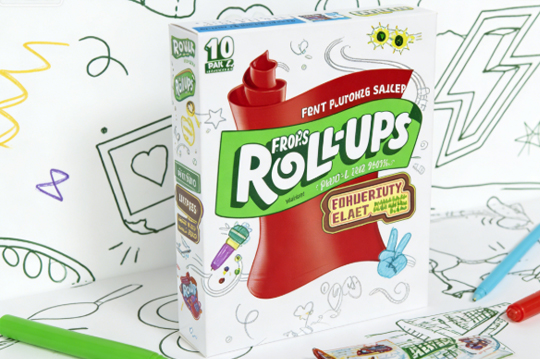
Specific Impacts of Regulations on Packaging Design
· Mandatory Information Labeling Requirements
Information such as product name, production date, shelf life, and ingredient list must be clearly displayed and cannot be omitted.
· Font and Readability Standards
Some information must meet minimum font size requirements to ensure consumers can read it clearly.
· Prohibition of False or Exaggerated Claims
Packaging content must not use misleading language, such as false statements like “treatment” or “guaranteed effect.”
· Information Layout Priority Restrictions
Regulations require key information to be displayed prominently and not obscured by decorative elements.
· Additional Regulations for Special Industries
Food, pharmaceuticals, and children’s products have stricter labeling standards.
· Multilingual and Regional Compliance Requirements
Exported products must comply with the language and regulatory standards of the target market, increasing design complexity.
Differences Between Compliant and Free Design
There are significant differences between compliant and free creative design. Compliant design must prioritize meeting regulatory requirements, resulting in a more standardized information layout, a relatively fixed structure, and limited creative space. Free design, on the other hand, emphasizes visual expression and brand personality, allowing for more flexible adjustments to layout and style. Visually, compliant designs may appear more “rational” and structured, while free-form designs are more artistic and expressive. In terms of information processing, compliant designs must ensure all mandatory information is clearly visible, while free-form designs can adjust information hierarchy according to visual appeal. This difference illustrates that regulations do not restrict design creativity, but rather set a basic framework for design, allowing for expression within safety and legality.
Frequently Asked Questions about Regulations and Packaging Design
Q: Can information required by regulations be hidden?
A: No, all mandatory information must be clearly displayed.
Q: Will aesthetically pleasing design affect compliance?
A: No, but readability must be prioritized.
Q: Are regulations consistent across different countries?
A: No, exported products must comply with local regulations.
Q: Are all products subject to the same labeling requirements?
A: Requirements differ across product categories; for example, food and pharmaceuticals are more stringent.
The law stipulates the requirements for implementation in the design process
In food packaging, ingredient lists and nutrition facts tables must be arranged according to prescribed formats, and the font size cannot be too small. In pharmaceutical packaging, indications, dosage, and precautions must be clearly stated, and this information must not be obscured by decorative patterns. Children’s food products also require additional labeling of applicable age and safety instructions. Exported products must provide multilingual versions of information to meet the regulatory requirements of different markets. These real-world examples illustrate that regulatory requirements not only affect the text content but also directly impact packaging structure and visual layout.
The impact of regulatory requirements on packaging content design is comprehensive and fundamental, determining what information must appear, how it is presented, and to what extent. It also requires designers to create within the regulatory framework, ensuring that visual appeal and information compliance are simultaneously achieved. Only by adhering to legal regulations can packaging design truly realize its commercial value and communicative function, protecting consumer rights and maintaining brand reputation.

