
What Are the Most Common Mistakes in Packaging Box Design?

Packaging box design not only relates to the product’s visual appearance but also directly affects consumers’ purchasing experience and brand perception. If details are overlooked during the design process, it can easily lead to significant differences between the final packaging and the expected result. Some seemingly minor issues—such as incorrect dimensions, disorganized information layout, unreasonable choice of finishing techniques, or improper material combinations—may result in production rework, increased costs, or even affect product sales.
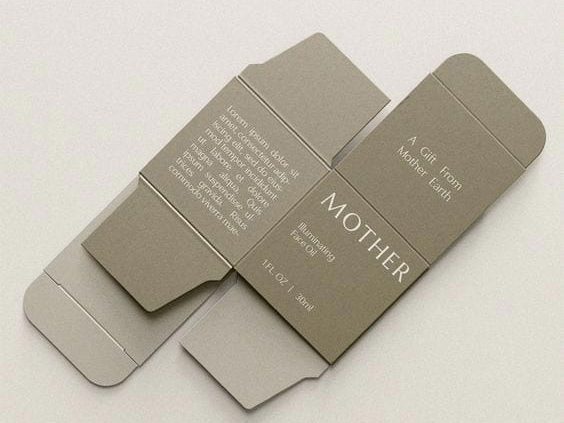
Some packaging may look very refined in design files, but in actual production stages, problems such as structural instability, severe color deviation, or poor unboxing experience may occur. Therefore, in the packaging design process, understanding common mistakes in advance and avoiding them is an important way to improve design quality and production efficiency. By standardizing the design process and strengthening detailed review, risks can be effectively reduced and overall packaging quality improved.
Common Types of Packaging Design Mistakes
The following issues frequently occur during the design process:
Inaccurate Size Design:
Packaging dimensions do not match product dimensions. Oversized packaging may cause product movement and affect transportation safety, while undersized packaging may prevent the product from being properly placed, resulting in production waste.
Ignoring Bleed and Safety Lines:
Improper print file setup. Without reserved bleed areas, white edges may appear, and text placed too close to the cutting line may be cut off.
Confused Information Hierarchy:
Too much content on the packaging. Brand name, product name, selling points, and descriptive text compete for visual attention, making it difficult for consumers to quickly obtain key information.
Overuse of Finishing Techniques:
In pursuit of a premium look, multiple processes are stacked excessively. Overusing hot stamping, UV coating, embossing, and other techniques not only increases cost but may also lead to visual clutter.
Ignoring Production Requirements:
Design results cannot be properly realized in production. Some design concepts may look appealing but exceed printing equipment or manufacturing limitations, eventually requiring revision or rework.
Packaging Design Common Mistakes Reference Table
| Common Issue | Possible Impact | Solution |
| Incorrect size | Cannot fit product | Measure product dimensions in advance |
| No bleed area | White edges appear | Reserve 3–5mm bleed |
| Too much information | Hard to read | Establish information hierarchy |
| Excessive processes | Increased cost | Keep only essential techniques |
| Ignoring production conditions | Cannot mass produce | Communicate with factory in advance |
What Counts as a Problematic Packaging Design?
Excellent packaging design maintains a balance between visual effect, structural rationality, and production feasibility. After receiving the product, consumers should be able to quickly identify brand information while enjoying a good user experience.Problematic packaging, however, often focuses only on visual appearance while ignoring practical application. For example, a design may look visually rich, but the text is difficult to read; finishing effects may appear premium but far exceed the budget; or an innovative box structure may affect product accessibility.
Common Questions
Q: What is the most easily overlooked issue in packaging design?
A: Dimension labeling and bleed settings are the most commonly overlooked.
Q: Is more information on packaging better?
A: No. Key information should always be prioritized.
Q: Does high-end packaging always require many finishing techniques?
A: Not necessarily. Proper use of techniques is more important than quantity.
Q: Why is there sometimes a big gap between design files and final products?
A: This is usually because real printing and production constraints were not fully considered.
Common Mistakes in Design Projects
For example, a food company failed to accurately measure product dimensions when designing a gift box, causing noticeable movement inside the package. The internal tray had to be redesigned.A skincare brand attempted to upgrade packaging quality by applying large areas of hot stamping, UV coating, and embossing at the same time. As a result, production costs increased significantly, and the visual effect became cluttered instead.In some e-commerce packaging designs, a large amount of text was placed on the front to showcase more selling points, making it difficult for consumers to quickly find the brand name and core product information, which reduced packaging recognition.These cases show that many packaging design problems are not caused by a lack of creativity, but by insufficient attention to detail management.
Packaging box design is a task that combines creativity and execution. A good packaging solution must not only provide attractive visual appeal but also meet production requirements, budget constraints, and user experience needs. Common issues such as dimension errors, missing bleed areas, confused information hierarchy, misuse of finishing techniques, and neglect of production conditions may seem minor, but they can directly affect final packaging quality and even increase company costs and project timelines.

