
What does packaging design include?

In today’s increasingly competitive market, packaging design is no longer just about the “outer shell,” but a crucial tool for brand expression, product value delivery, and consumer communication. Excellent packaging design can quickly attract consumer attention, build trust, and drive purchases. Therefore, packaging design is not merely a visual art, but a comprehensive discipline integrating marketing, psychology, and industrial design.
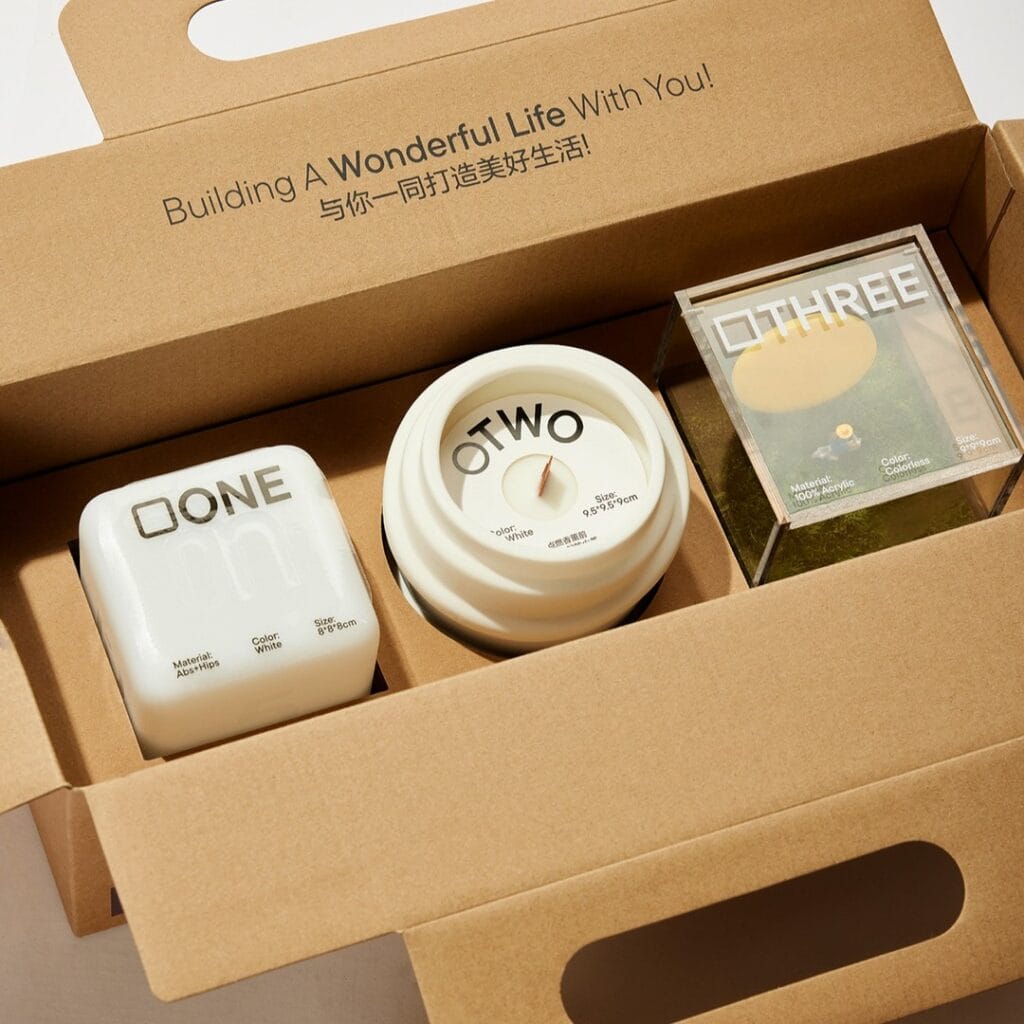
Many people believe that packaging design is simply about drawing a pretty box, but in reality, it encompasses many aspects, from visual presentation and structural design to material selection and information delivery. Every detail can influence the consumer experience. For example, well-chosen color schemes can make a product more attractive, while a well-designed structure enhances usability. Furthermore, packaging must consider transportation safety, cost control, and environmental requirements—all important aspects of packaging design. From a brand perspective, packaging is also a vital carrier of brand image. Consumers often first encounter the packaging before even seeing the product, thus directly influencing their first impression. A clear and distinctive packaging design can help a brand stand out from the competition.
Visible Attractiveness
Visual design is the most direct part of packaging and the first thing consumers see. It mainly includes color matching, graphic design, and layout. Good visual design can quickly attract attention and convey product features.
For example:
Food packaging often uses red and orange to enhance appetite.
High-end products often use black and gold to reflect quality.
Children’s products often use bright and colorful designs.
The core of visual design lies in “attractiveness + expression”—it must be visually appealing and effectively convey information.
Packaging Internal Structure Determines the User Experience
Structural design determines the form and usage of packaging and is a core part of its functionality. Different products require different structures, such as box, bag, and bottle types. A reasonable structure can protect the product while enhancing the user experience.
Common structures include:
Folding boxes: Low cost, suitable for mass production.
Drawer boxes: Strong user experience, suitable for gift packaging.
Top and bottom boxes: Stable and simple, often used for high-end products.
Structural design not only affects the user experience but also directly relates to production costs and transportation efficiency.
Why Does Material Affect Texture?
Materials are a crucial foundation of packaging design, influencing texture, cost, and environmental performance. Different materials are suitable for different products, offering diverse visual and tactile experiences.
For example:
Paper: Environmentally friendly, moderately priced, and widely used.
Plastic: Water-resistant, suitable for liquid products.
Glass: High-quality feel, often used in cosmetics or beverages.
Choosing the right materials requires striking a balance between cost, functionality, and brand image.
Enhancing Quality Through Processes
Printing and processing techniques determine the sophistication and perceived quality of packaging. Different processes can add depth and visual impact.
Common processes include:
Hot stamping: Enhances a premium feel.
UV varnishing: Increases localized brightness.
Embossing: Adds tactile depth.
However, it’s important to note that more processes generally mean higher costs; therefore, selection should be based on product positioning.
Clear Information Display
Packaging is not just about appearance; it also conveys information. Consumers need to understand basic product information through packaging, such as name, ingredients, and usage instructions. Therefore, information design must be clear and easy to read.
Common information includes:
· Product name and brand logo
· Instructions for use and precautions
· Production date and shelf life
Information layout should be hierarchical to avoid clutter, which can negatively impact the consumer experience.
Reflect the brand through style
Packaging is a crucial aspect of brand image. A unified design style allows consumers to quickly identify the brand. For example, consistent use of colors, fonts, and graphic elements enhances brand memorability.
Specifically:
Fixed brand primary color
Unified font style
Unique graphic symbols
Maintaining a consistent style over the long term helps build brand recognition.
Is the packaging easy to use?
User experience is becoming increasingly important in packaging design. It should not only look good but also be easy to use. For example, ease of opening, portability, and storage all affect the overall consumer experience.
Common optimization methods:
Add easy-tear opening design
Incorporate anti-slip or leak-proof structures
Provide reusable functionality
A good experience can improve product favorability and repurchase rate.
How to balance cost and environmental protection?
Packaging design must consider cost control and environmental requirements. While excessive design can be aesthetically pleasing, it increases production costs and wastes resources. Therefore, a balance must be struck between aesthetics and practicality. Simultaneously, environmental trends demand the use of recyclable or biodegradable materials.
For example:
Reduce unnecessary packaging layers
Use environmentally friendly paper materials
Avoid excessive plastic use. Reasonable cost control and compliance with environmental requirements are crucial directions for modern packaging design.
Successful packaging is not merely about attractive appearance; it’s a comprehensive reflection of functional rationality, clear information, and alignment with brand positioning. Companies need to rationally select packaging design solutions based on their product characteristics and market positioning. For example, high-end products can appropriately increase investment in craftsmanship and materials to enhance the overall quality; while everyday consumer goods should focus more on cost control and practicality. Through scientific planning and design, optimal results can be achieved within a limited budget. Furthermore, as consumer needs continue to evolve, packaging design is also constantly upgrading. From simply protecting goods to emphasizing experience and environmental protection, and further to strengthening brand communication, the role of packaging is becoming increasingly diversified.

