
What elements are included in packaging visual design?

In today’s highly competitive market, packaging not only protects products but also serves as a crucial communication bridge between brands and consumers. Visual design, as the core of packaging, directly determines a consumer’s first impression. Excellent packaging visual design can attract attention, convey product information, and strengthen brand awareness in a short time. Therefore, understanding the key elements of packaging visual design is essential for both designers and brands. These elements include color, graphics, text, typography, material presentation, and craftsmanship, all working together to form the overall visual style.
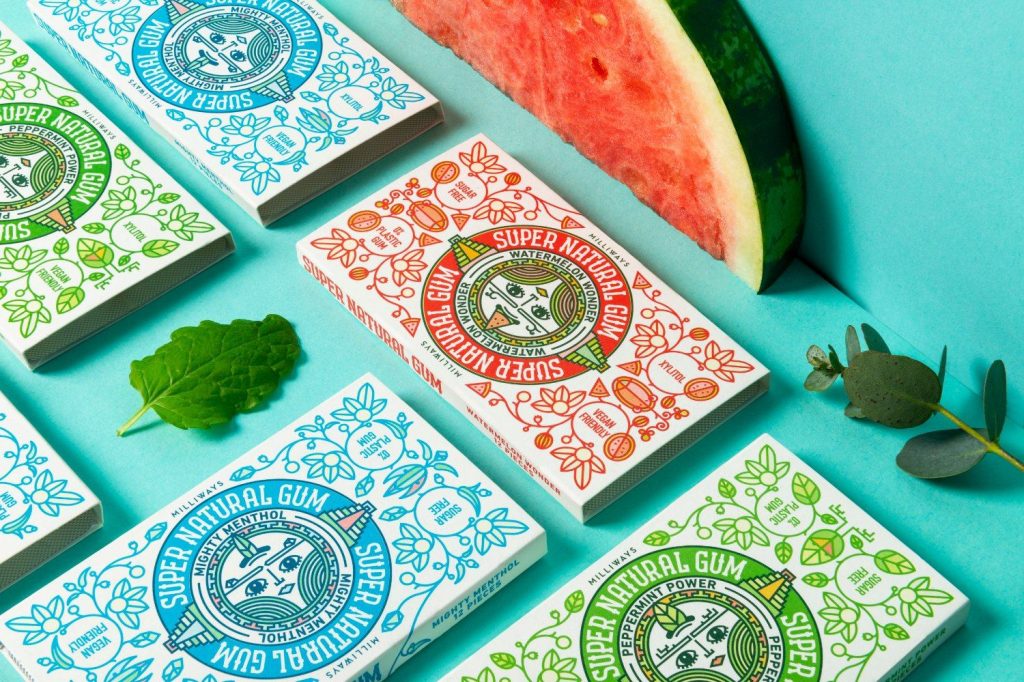
The proper use of these elements can make packaging both aesthetically pleasing and easily recognizable, while also reflecting the product’s positioning and brand value. For example, high-end products often employ a simple design paired with exquisite craftsmanship, while younger products tend to favor vibrant colors and creative graphics. Furthermore, visual design is not just about “looking good”; it also needs to consider practical application scenarios, such as shelf display, consumer handling experience, and brand communication effectiveness. A successful packaging visual design often achieves a balance between visual impact, information delivery, and brand expression, capturing consumers’ interest at first glance and encouraging them to learn more about the product. Mastering these visual design elements is a crucial foundation for improving packaging design quality.
Core Visual Elements
· Color Design
Color is the most direct visual element; different colors convey different emotions and brand characteristics. For example, red represents passion, black represents high-end, and green represents nature and health.
· Graphics and Patterns
Graphics can be illustrations, geometric shapes, or product-related elements. They enhance visual appeal, making packaging more personalized and memorable.
· Text and Fonts
Product names, brand names, and descriptive text are essential parts of information delivery. Font choice directly impacts the overall style; for example, simple fonts appear modern, while sophisticated fonts appear refined.
· Typography and Layout
A well-structured layout makes information clear and organized. Through alignment, white space, and hierarchy, packaging becomes easier to read and more aesthetically pleasing.
· Material Visual Representation
Different papers or materials produce different visual effects; matte, glossy, or textured paper all affect the overall texture.
· Craftsmanship Effects
Foil stamping, embossing, UV coating, and other techniques can enhance visual depth, making packaging more three-dimensional and textured.
Single Element vs Comprehensive Visual Design
If a packaging box relies solely on a single visual element, such as only color or only a pattern, the overall effect is often monotonous and unlikely to attract consumers. However, when elements such as color, graphics, text, and craftsmanship are combined appropriately, the packaging presents a rich sense of layering and a stronger visual impact. For example, a packaging box printed in only one color, while simple, lacks variation; while a packaging box combining color contrast, exquisite typography, and partial foil stamping is more likely to stand out on the shelf. This difference is not only reflected in the visual effect but also influences consumers’ judgment of product quality. Therefore, excellent packaging visual design is not about highlighting a single element, but about the coordination and unity between multiple elements, making the overall effect more complete and attractive.
Frequently Asked Questions
Q: What is the most important element in visual design?
A: Color and typography are the most basic and important; they determine the first impression and the effectiveness of information delivery.
Q: Is more elements always better?
A: No. The key is coordination and highlighting key elements; too many elements can make the design appear cluttered.
Q: How can packaging be made more memorable?
A: Create visual memorable points through unique graphic design or color schemes while maintaining overall simplicity.
Q: Does visual design need to consider user experience?
A: Yes. Design should not only be aesthetically pleasing but also clear and legible, allowing consumers to quickly understand product information.
Practical Tips
In actual design, you can first determine a core visual element, such as a main color or main graphic, and then expand the design around this core. By controlling the number of elements and maintaining a consistent style, you can make the packaging more layered. At the same time, appropriately adding craft effects, such as partial hot stamping or embossing, can enhance the overall visual quality in detail. Beginners can improve their design skills by imitating excellent examples and gradually understanding how different elements are combined.
Packaging box visual design is a comprehensive process, encompassing multiple elements such as color, graphics, text, typography, materials, and craftsmanship. Each element plays an important role in the overall design, jointly constructing the visual effect of the packaging and the brand image. A successful packaging design not only needs to be visually appealing but also clear and effective in conveying information and expressing the brand. During the design process, attention should be paid to the coordination and unity between elements, avoiding excessive stacking or design chaos. At the same time, an appropriate visual style should be chosen based on the product positioning; for example, high-end products emphasize simplicity and quality, while younger products emphasize vibrancy and creativity. By using visual elements appropriately, packaging boxes can stand out among numerous products, enhancing consumer attention and purchasing desire. Visual design not only affects the appearance of packaging but also directly relates to brand image and market performance. Mastering these core elements and continuously optimizing their combination in practice can effectively improve packaging design levels, achieving better results in both visual appeal and user experience.

