
What Elements Should Be Highlighted in Food Packaging Box Design?

Food packaging box design plays a very important role in the modern consumer market. It not only protects food safety and extends shelf life, but also directly influences consumers’ purchasing decisions. An excellent food packaging design must strike a balance among visual communication, information presentation, and safety compliance.
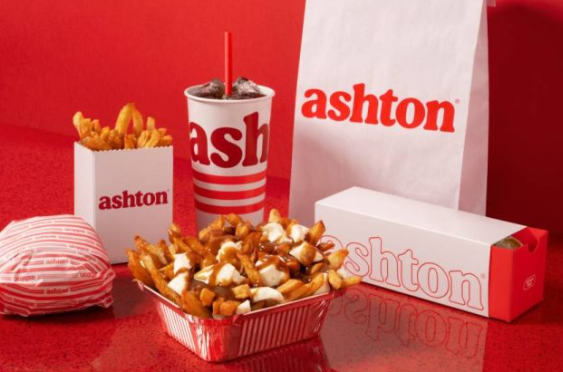
Consumers often judge product quality within seconds based on packaging, so packaging must clearly convey product attributes, brand value, and a sense of food safety. At the same time, different food categories (such as snacks, beverages, health supplements, and fresh food) have different requirements for packaging design.
Core Visual Expression Elements
The core visual design of food packaging is a key factor in determining whether consumers will make a purchase at first glance. Visual design is not only about aesthetics, but also about information delivery and appetite stimulation. Within limited space, it must achieve clear hierarchy, strong focus, and a unified style.
Main Visual Graphic (Core Image)
The main visual is usually the most important part of food packaging. It can be a real product photo or an illustrated design.For snack products, high-definition real food photography is recommended to enhance freshness and appetite appeal.For children’s food, cartoon-style illustrations can be used to increase fun and approachability.The main visual should occupy a large portion of the front packaging area to avoid distraction.Images should not be overly edited, otherwise it may create a trust issue due to inconsistency between product and packaging.
Brand Identity (Visual Memory Point)
The logo is the core of brand recognition and must maintain a stable position and consistent application.Usually placed at the top or center of the packaging for immediate visibility.Logo color should coordinate with the overall design while maintaining sufficient contrast.Consistent logo placement across product series improves recognition efficiency.For premium food packaging, techniques such as hot stamping or embossing can enhance texture
Color System (Emotion and Category Expression)
Color not only affects aesthetics but also shapes consumers’ psychological association with taste.
Red, orange, yellow: commonly used for snacks and beverages, enhancing “sweet, rich, and indulgent” associations
Green, white: commonly used for health or organic food, conveying “natural and safe”
Dark tones (black, deep brown): commonly used for premium food, emphasizing luxury and texture
For product series, it is recommended to maintain a unified main color to avoid visual confusion.
Typography and Information Hierarchy (Readability Design)
Typography directly affects how quickly information can be understood and is one of the most important yet often overlooked aspects of visual design.Product name should use the largest font size as the primary information levelSecondary information (flavor, specification) should be smaller.Ingredients and nutrition facts must be clear but should not dominate the design.Typography style should match brand positioning; premium food often uses clean sans-serif fonts.
Composition and White Space (Visual Order)
Good food packaging is not a random combination of elements but a structured visual system.
- Main visual, logo, and information areas should be clearly separated
- White space enhances premium perception and avoids visual clutter
- Adequate spacing between elements improves readability
Composition should guide the viewer’s eye naturally from “brand → product → information”
Style Consistency (Series Design)
For multi-flavor or multi-series food products, a unified visual system is essential.
- Maintain consistent typography and layout structure
- Different flavors can be distinguished through color or graphic variation
- A unified style improves shelf recognition efficiency
- Enhances overall brand memory and builds visual assets over time
Design elements that facilitate the communication of information
Product name: must be clearly highlighted and not visually weakened
Ingredients and nutrition facts: must comply with food safety regulations
Production date and shelf life: must be clearly labeled
Certification marks: such as organic, ISO, HALAL, etc.
Usage instructions: help consumers understand how to consume the product
Food Packaging Element Analysis
| Comparison Item | Strong Design Packaging | Weak Design Packaging |
| Visual Effect | Strong appetite appeal, clear hierarchy | Plain, no focus |
| Information Presentation | Clear and structured | Confusing and hard to read |
| Brand Recognition | High memorability | Easily ignored |
| Material Experience | Textured, strong sense of safety | Cheap and ordinary feel |
From the table above, it is clear that excellent food packaging is not only about being “visually attractive,” but also about being “easy to understand + trustworthy.”
Common Questions
Q: What is the most important element in food packaging design?
A: Visual appeal and food safety information are the two most important core elements.
Q: Is it necessary to emphasize the brand logo on food packaging?
A: Yes. The logo is the key entry point for brand recognition.
Q: Is there a fixed rule for color selection?
A: No strict rule exists, but colors are usually matched based on product category, such as green tones for health foods.
Case Example
Taking a nut snack packaging as an example:
Visual design: uses high-definition nut imagery as the main visual to highlight freshness
Color scheme: brown and gold combination to convey natural and premium quality
Information layout: product name prominently displayed on the front, nutrition facts on the side
Structural design: resealable bag combined with paper box to improve convenience and perceived quality
Through proper design, the product becomes more noticeable on shelves and achieves higher conversion rates.
The core of food packaging box design lies in “visual attraction + information clarity + safety trust.” Visual elements determine whether consumers notice the product at first glance, information design determines whether it is understood and trusted, and materials and structure affect the overall user experience. Different food categories require different design strategies, but the overall principle remains the same: highlight key points, reduce interference, and strengthen branding. A successful food packaging design not only enhances product image but also directly improves market competitiveness and sales performance.

