
What is the relationship between packaging design and branding?

In today’s increasingly competitive market, branding has become one of the most important intangible assets for businesses. When choosing products, consumers often don’t simply compare functions or prices; they tend to choose familiar, trustworthy brands with a recognizable image. Packaging design plays a crucial role in this decision-making process. In most consumption scenarios, consumers first encounter the product’s packaging, not advertising or introductions. Packaging becomes the most direct, authentic, and frequent medium of communication between the brand and consumers. Packaging is the first carrier for a brand’s establishment. Brand philosophy, brand positioning, brand temperament, and brand values all need to be presented through concrete visual and tactile forms, and packaging precisely undertakes this task of “visual expression.” Without packaging, the brand image remains abstract; with packaging, the brand can be seen, remembered, and distinguished.
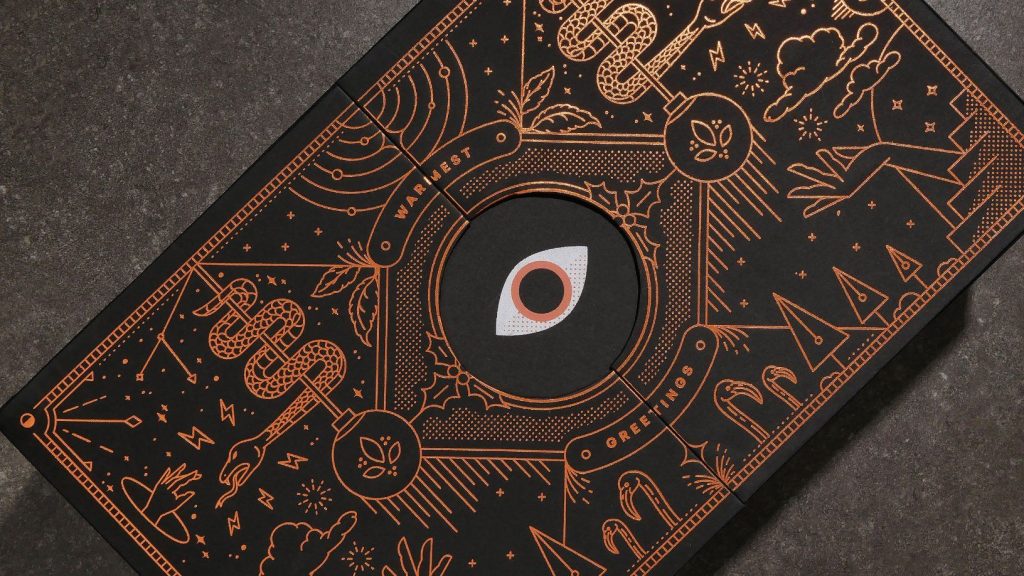
Why is packaging considered the “outer garment” of a brand?
A brand itself is an abstract concept, while packaging is its most direct physical expression. When consumers enter a shopping mall or supermarket, they first see the product’s appearance on the shelf, not the brand story or corporate culture. Packaging is like a brand’s outer garment, presenting the brand through shape, color, and material. Without a unified packaging image, a brand struggles to form a clear impression. Packaging makes a brand “visible and tangible.” This is the most fundamental layer in their relationship.
Helping Consumers Remember Quickly
In an environment teeming with similar products, the speed of recognition determines whether a brand is chosen. A unified packaging design creates stable visual symbols, such as consistent colors, standard fonts, and graphic logos. The repeated appearance of these elements establishes a memory point in the consumer’s mind. When seeing a similar appearance again, consumers can quickly associate it with the corresponding brand. The higher the recognition rate, the stronger the brand’s competitiveness. Packaging is a crucial tool for achieving brand recognition.
Conveying Brand Personality
Every brand has its own personality and positioning; some emphasize high-end, some emphasize friendliness, and some highlight natural health. Packaging design conveys these characteristics through style selection. For example, a simple design easily conveys professionalism and quality, rich colors are more suitable for lively and youthful brands, and natural materials reinforce environmental protection concepts. Different design languages evoke different psychological feelings in consumers.
Influencing Purchase Decisions
Consumers often judge a product’s reliability based on its packaging. Well-made, clearly labeled, and high-quality printing creates a sense of security and professionalism, increasing trust in the brand. Conversely, rough or cluttered packaging may lead consumers to doubt product quality. This trust directly impacts purchasing behavior. Often, consumers make their choices based on packaging even before experiencing the product.
Differentiated Competition
To stand out in the market, a brand must possess significant differentiation. Packaging design can create a distinctive visual effect through unique shapes, innovative structures, or special processes. For example, unique bottle shapes, special opening methods, or the use of environmentally friendly materials can all become unique brand identifiers. When packaging is recognizable, the brand is naturally more easily noticed and remembered, thus creating a competitive advantage.
Conveying Brand Information
Packaging not only displays appearance but also serves a communication function. Brand philosophy, product advantages, usage methods, and brand stories all need to be presented on the packaging through text and graphics. A well-organized information layout helps consumers quickly understand the product’s value. To some extent, packaging acts as a brand’s “silent salesperson,” explaining and persuading without the need for sales staff.
Strengthening the Brand System
Brand building emphasizes consistency, and packaging is a crucial element. If different products from the same brand have inconsistent packaging styles, it weakens the overall image; a unified visual system, on the other hand, creates a sense of scale and professionalism. Maintaining consistency in color, font, layout, and structure makes the brand appear more powerful. This consistent experience helps deepen consumer impressions and enhances the overall brand value.
The relationship between packaging design and the brand is not simply one of subordination, but rather one of interdependence and mutual promotion. The brand provides direction and positioning for the packaging, determining its design style and expression; while packaging concretizes the brand concept, allowing consumers to directly perceive and experience the brand. Both are indispensable; only through synergy can they truly play a market role. Packaging is both a window showcasing the brand image and a vital channel for communication between the brand and consumers. It influences recognition, trust, purchase desire, and user experience, playing a crucial role in the brand communication chain. If packaging design is neglected, the brand image will struggle to take root; if packaging is designed in isolation from the brand, the design will easily lose its direction. Therefore, packaging design should always be considered from the perspective of the overall brand strategy, closely integrating visual expression, functional needs, and brand value. Only in this way can packaging truly become part of the brand’s power, rather than simply a decorative shell.

