
What is the role of cutout design in packaging?

In packaging design, cutout design is a common and expressive technique. By creating partial openings or graphic cuts on the packaging surface, designers can create more possibilities on both visual and functional levels. Compared to traditional flat packaging, cutout design adds a sense of layering, making the packaging more three-dimensional, while also allowing consumers to directly see the product inside, thereby enhancing trust and purchase desire. Cutout design is not only a decorative technique but also a way of expressing information. Through carefully designed cutout shapes, brand symbols can be highlighted, product details can be displayed, and visual memory can be strengthened. Especially in gift box packaging, food packaging, and creative product packaging, cutout design often brings a richer visual experience, making the packaging more eye-catching on the shelf.
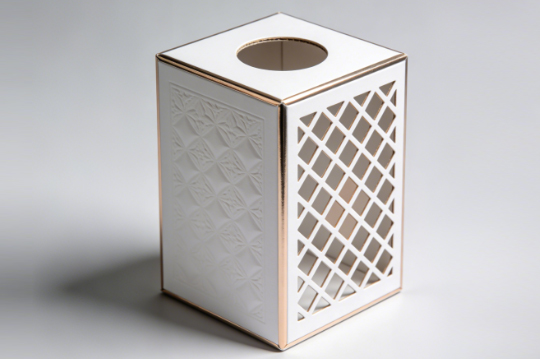
Enhancing Visual Appeal
The most direct effect of cutout design is to improve visual impact. Compared to ordinary flat packaging, cutouts can create a significant visual change, making the packaging more noticeable on the shelf. Cutout areas can form unique graphics, such as brand patterns, geometric shapes, or natural elements. Through these shape variations, the packaging will produce a stronger sense of three-dimensionality and layering, making the overall visual experience richer. Consumers can notice this design difference from a distance, thus increasing product visibility.
Showcasing the Product Itself
Cutout designs allow the product to be directly seen. This method is very common in food packaging, toy packaging, and handmade product packaging. Consumers can observe the product’s color, shape, or texture through the cutout window.
This display method has two advantages:
· Increased transparency and trust
· Reduced consumer doubts about product quality
Consumers are more likely to have purchasing confidence when they can see the actual product.
Adding Layers to Packaging
Cutout designs can create multi-layered structures with internal materials.
For example:
· Cutout outer cardboard box
· Inner colored paper or transparent film
· Product itself as a visual background
This multi-layered design creates rich visual depth. The contrast between different materials also enhances the overall design, making the packaging look more refined.
Strengthening Brand Recognition
Cutout graphics can be directly designed as brand elements.
For example: using the brand logo as a cutout shape; using the brand’s iconic pattern; using letter shapes for cutouts.
When consumers see this unique graphic, they will quickly associate it with the brand. Using the same cutout style consistently can create a brand identity.
Enhancing Interactive Experience: Cutout design not only affects the visual appeal but also alters the user experience.
For example: the cutouts reveal the internal structure; they create a visual change when the packaging is opened; and the cutouts allow for tactile exploration of the internal materials.
These details enhance the interaction between consumers and the packaging. Compared to ordinary packaging, cutout design is often more engaging.
Reducing Material Weight
In some cases, cutout design can reduce material usage. For example, in large gift boxes or display packaging, appropriate cutouts can reduce overall weight. This not only saves material costs but also reduces the burden of transportation. However, structural strength must be ensured during the design process to avoid compromising packaging stability due to excessive cutouts.
Enhancing the Artistic Feel of Design
Cutout design has a strong decorative effect. Through complex patterns or delicate lines, packaging can be given the feel of an artwork. For example, patterns, traditional designs, or geometric structures can all be expressed through cutout techniques. This design approach is particularly common in gift and holiday packaging. Exquisite cutout graphics can convey cultural connotations or a sense of ritual, making the packaging more valuable.
In packaging design, cutout design is not only a visual decoration but also a comprehensive design strategy. Through graphic cutting and structural variations, it can bring richer layers and expressiveness to packaging. Simultaneously, cutouts can achieve multiple functions such as product display, brand reinforcement, and interactive experiences. The role of cutout design in packaging boxes is mainly reflected in enhancing visual appeal, showcasing the product itself, adding layered structure, strengthening brand recognition, improving interactive experiences, reducing material weight, and enhancing artistic appeal. When designers reasonably control the proportion of cutouts and combine them with the characteristics of materials and structures, this design method can make packaging more vivid and interesting while maintaining practicality and stability, thereby improving the overall packaging quality.

