
What Materials Are Commonly Used in High-End Custom Packaging Box Design?

In high-end custom packaging box design, material selection is often even more important than graphic design. When consumers first interact with packaging, they not only see its appearance but also assess its quality through touch. An excellent premium package should not only feature outstanding visual design but also communicate brand value and product positioning through its materials.Different materials create different visual effects and tactile experiences. For example, thick greyboard conveys a sense of stability and solidity, specialty paper showcases unique textures, while wood materials create a natural and premium product image.
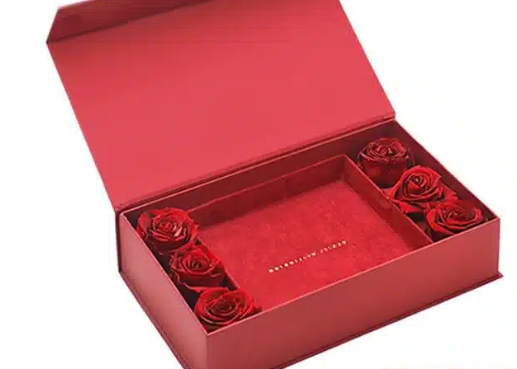
Therefore, during the packaging design stage, designers typically select appropriate materials based on product positioning, target consumers, and budget considerations.For jewelry, cosmetics, tea, alcoholic beverages, electronics, and premium gifts, packaging materials not only serve a protective function but also form an important part of brand identity. Appropriate material combinations can enhance packaging texture, increase perceived product value, and provide consumers with a superior unboxing experience.
Common Materials Used in High-End Packaging Boxes
The following materials are among the most widely used in premium packaging design.
Greyboard Laminated Paper
This is the most common structural material used in premium gift boxes. Greyboard offers high rigidity and excellent load-bearing capacity, making the overall packaging more durable.During production, coated paper, specialty paper, or art paper is usually laminated onto the greyboard surface, combining structural strength with visual appeal.
Common Applications:
- Premium tea gift boxes
- Jewelry packaging
- Cosmetic gift boxes
Corporate gift boxesIts advantages include strong stability, versatile structural possibilities, and compatibility with a wide range of printing and finishing techniques.
Specialty Paper
Specialty paper is one of the most popular surface materials in high-end packaging design.Compared with ordinary paper, specialty paper features unique textures, finishes, and tactile qualities that can create a premium appearance without extensive printing. Examples include linen paper, pearl paper, soft-touch paper, and embossed paper.
Characteristics:
- Rich tactile experience
- Distinct visual depth
- Strong premium appeal
High brand recognitionMany luxury packaging designs use the texture of specialty paper itself as a design element.
Coated Paper
Coated paper is one of the most widely used materials in packaging printing.Because of its smooth surface and excellent color reproduction capabilities, it is highly suitable for high-definition graphic printing. Many premium packaging designs that appear sophisticated actually use laminated coated paper as the outer surface.
Suitable For:
- Full-color printed gift boxes
- Cosmetic packaging
- Food packaging
- Product display boxes
Its greatest advantage is superior print quality and accurate reproduction of design details.
Wood Materials
Wooden boxes belong to the premium category of high-end packaging.Natural wood grain creates a unique sense of quality and collectible value, making it a popular choice for premium wines, specialty teas, jewelry, and commemorative gifts.
Common Wood Types:
- Pine
- Birch
- Walnut
MDF with wood veneerWood packaging is durable and highly prestigious, although production costs are relatively high.
Metal Materials
Some premium products use metal packaging structures, such as tinplate boxes, aluminum containers, and stainless-steel packaging.These materials provide excellent protection while creating a sense of technology and quality.
Common Applications:
- Premium tea products
- Specialty coffee
- Collectible gifts
High-end health supplementsMetal materials offer excellent durability and strong sealing performance.
Comparison Table of Common High-End Packaging Materials:
| Material Type | Texture & Appearance | Cost Level | Common Applications |
| Greyboard Laminated Paper | Solid and sturdy | Medium | Gift box packaging |
| Specialty Paper | Premium texture | Medium to High | Luxury packaging |
| Coated Paper | Excellent print quality | Medium | Full-color printed packaging |
| Wood Materials | Natural and premium | High | Wine gift boxes |
| Metal Materials | Refined and durable | High | Tea gift boxes |
The Core Objective of High-End Packaging Material Selection
The core objective of selecting materials for premium packaging is not simply to make the package appear more expensive. Rather, it is to communicate product value, brand positioning, and quality perception through the material itself.When consumers first interact with packaging, they often form an initial impression based on both visual and tactile cues. High-quality materials help consumers perceive professionalism, luxury, and reliability, thereby increasing trust in the brand.At the same time, premium materials improve structural strength and protective performance, ensuring that products remain in excellent condition during transportation, display, and use.For brands, selecting the right packaging material is also an important way to build brand identity.
For example:Specialty paper conveys sophistication and artistic appeal.Wood materials communicate natural elegance and prestige.Metal materials express technological innovation and quality.
Therefore, the core objective of high-end packaging materials is to enhance brand value, improve consumer experience, and transform packaging into an important medium for brand communication while protecting the product.
Frequently Asked Questions
Q: Does premium packaging always require expensive materials?
A: Not necessarily. Proper combinations of materials and finishing techniques can also create a high-end effect.
Q: Why is specialty paper so popular?
A: Because its texture and tactile qualities directly enhance the premium feel of packaging.
Q: Are wooden boxes more luxurious than paper boxes?
A: In certain gift categories, yes, but the choice should always align with product positioning.
Q: Is coated paper suitable for high-end packaging?
A: Yes, especially when high-quality color printing is required.
Material Selection Solutions for Different Products
For example, premium skincare gift boxes often use a greyboard structure laminated with specialty paper, enhanced with embossing and hot stamping to elevate the perceived value.Premium wine gift boxes frequently utilize wooden boxes combined with metal nameplates to increase collectible value.Specialty tea packaging often combines metal containers with paper gift boxes, balancing product protection and display performance.Jewelry packaging places greater emphasis on tactile experience and often incorporates soft-touch paper, velvet linings, and rigid greyboard structures to create a refined and luxurious unboxing experience.Although different products use different materials, the goal remains the same—to enhance perceived product value and strengthen brand image through material selection.
In high-end custom packaging box design, materials are a fundamental factor influencing packaging quality and brand image. From greyboard laminated paper and specialty paper to wood and metal materials, different materials communicate different brand personalities and product values.During the design process, companies should select packaging materials according to product positioning, budget, and target market requirements. Excellent packaging design is not about choosing the most expensive material, but rather selecting the material that best expresses the brand and maximizing its value through structural design and finishing techniques.When materials, craftsmanship, and visual design work together as a unified whole, packaging not only protects the product but also becomes a powerful tool for brand communication, creating deeper quality perceptions and stronger brand memories for consumers.

