
What Materials Can Be Used for Custom Packaging Boxes?

In product sales and brand promotion, packaging not only protects products but also influences consumers’ first impression of a brand. With the increasing demand for personalized packaging, more businesses are focusing on the material selection of custom packaging boxes to improve product presentation and customer experience. Different packaging materials vary in durability, appearance, printing performance, and environmental features. Businesses need to consider product characteristics, sales scenarios, and brand positioning when choosing materials to create packaging solutions that better meet market needs.
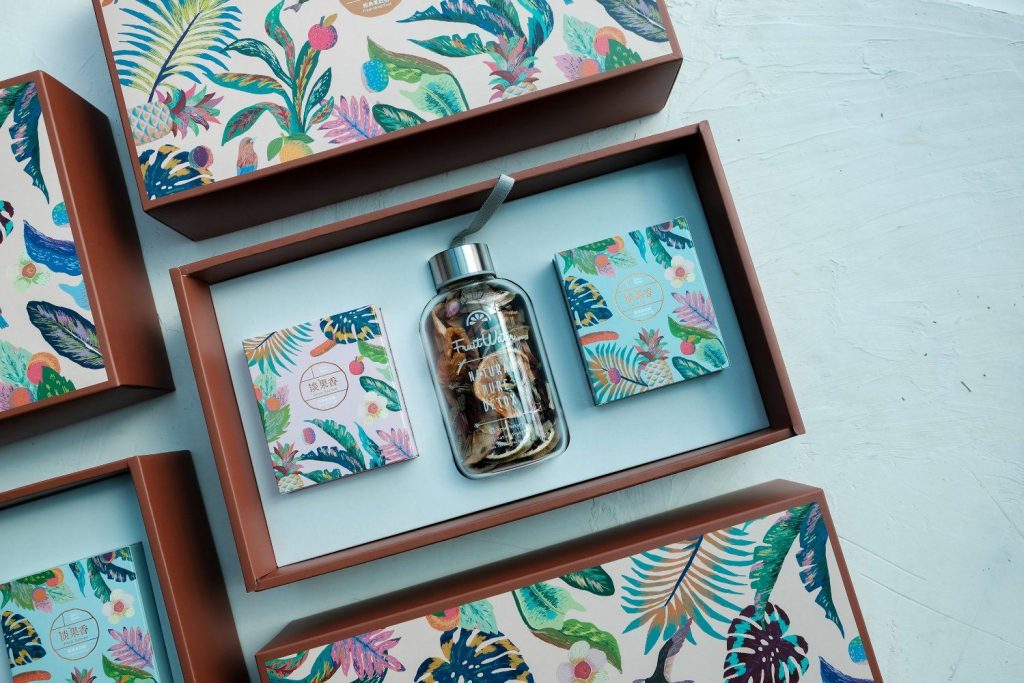
Why Are Paper Materials Commonly Used for Custom Packaging Boxes?
Paper-based materials are widely used in packaging boxes because they are flexible to process, offer excellent printing performance, and are relatively easy to control in terms of production costs. From everyday product packaging to premium gift boxes, paper materials can achieve different visual effects through various structures and finishing techniques.
Common paper materials include:
- White cardboard has a smooth surface and excellent color reproduction, making it suitable for cosmetic boxes, food packaging, and retail product packaging
- Grey board paper provides strong structural support and is commonly used for rigid boxes, magnetic closure boxes, and other premium packaging styles
- Corrugated paper offers strong cushioning performance, making it ideal for shipping packaging, electronics, and products requiring extra protection
- Coated paper delivers fine printing results and is suitable for packaging designs that require high-definition graphics and strong brand presentation
Paper materials can also be combined with printing, lamination, foil stamping, and other finishing techniques. Their flexibility in structure design makes them one of the preferred choices for businesses seeking customized packaging solutions.
Which Special Materials Are Suitable for High-End Custom Packaging Boxes?
For jewelry, luxury goods, gifts, and high-value products, standard paper packaging may not fully meet the desired presentation requirements. As a result, special materials are increasingly used in premium packaging designs to create unique textures and visual effects.
The main characteristics include:
- Wooden materials feature natural textures and strong structures, creating an elegant and premium brand image
- Leather and faux leather materials provide a soft touch and are suitable for business-style or collectible packaging
- Acrylic materials offer high transparency and are ideal for packaging designs that allow customers to view the product inside
These materials are usually combined with special processing techniques such as engraving, embossing, or surface treatments, allowing packaging boxes to become part of the product value presentation rather than simply a protective layer.
How Are Eco-Friendly Materials Used in Custom Packaging Boxes?
As environmental awareness continues to grow, more businesses are paying attention to sustainable packaging solutions. Choosing eco-friendly materials for packaging boxes can reduce resource waste while helping brands build a more responsible market image.
Common eco-friendly materials include:
- Recycled paper materials, which help reduce resource consumption through reuse
- Biodegradable pulp materials, suitable for food packaging, daily products, and environmentally focused brands
- FSC-certified paper materials, emphasizing sustainable sourcing and environmentally responsible production
Using eco-friendly materials allows brands to meet consumer expectations for green products while demonstrating their commitment to sustainable development, making them especially suitable for companies focusing on long-term growth.
What Should Be Considered When Choosing Materials for Custom Packaging Boxes?
The most expensive packaging material is not always the best choice. The right material should match the product’s requirements. Different products have different needs in terms of durability, protection, appearance, and production costs, so businesses should evaluate multiple factors before making a decision.
Key points to focus on include:
- Selecting suitable materials based on product weight and transportation conditions to prevent deformation or damage
- Matching materials and finishing techniques with brand positioning, especially for premium products that require stronger visual appeal
- Planning material choices according to order volume and budget to avoid unnecessary production costs
- Considering the user experience, including opening methods, carrying convenience, and packaging reusability
A reasonable material selection allows custom packaging boxes to meet protection, presentation, and marketing needs, making packaging an effective tool for improving product competitiveness.
The choice of materials for custom packaging boxes directly affects packaging appearance, product protection, and customer experience. From common paper materials and premium specialty materials to eco-friendly packaging options, each material has its own suitable applications. Businesses should select packaging solutions based on product features and brand development goals. InsPackaging provides professional custom packaging services, offering material selection, design, and production support to help brands create high-quality packaging products that attract customers and meet market demands.

