
What Printing Techniques Are Needed for Premium Packaging Boxes?

Premium packaging does not need every available printing technique to look impressive. A simple gold foil logo can make a box stand out, while combining too many special finishes may leave the design looking cluttered and increase production costs. When planning packaging box printing, start by identifying the product’s market position, the packaging colors, and the details the brand wants to highlight. Cosmetics, perfumes, jewelry, and chocolate gift boxes all have different requirements. Choosing the right techniques helps create attractive packaging while keeping mass production costs under control.
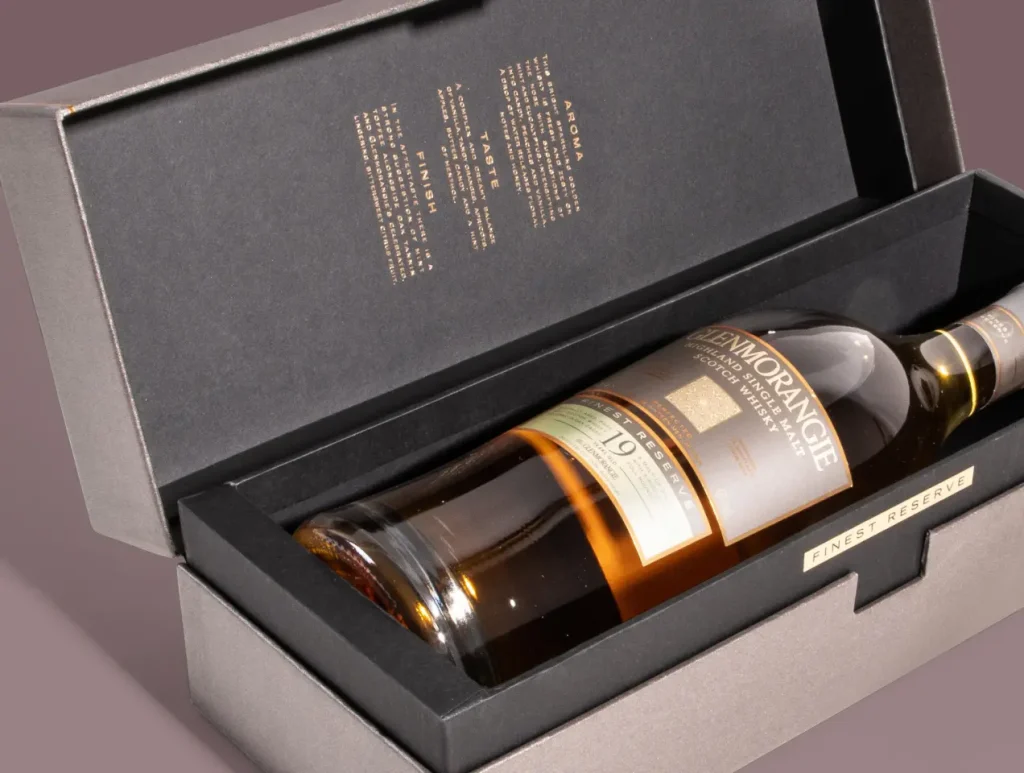
What Are the Common Printing Techniques for Packaging Boxes? Foil Stamping, Embossing, and Spot UV Compared
Premium packaging boxes commonly use foil stamping, embossing, debossing, spot UV coating, and lamination. Each technique creates a different visual effect or surface texture, so the best choice depends on the design and intended use. The table below compares some popular options.
| Printing Technique | Main Effect | Suitable Packaging Boxes | Key Design Considerations |
| Gold or silver foil stamping | Metallic shine that highlights key details | Perfume boxes, jewelry boxes, gift boxes | Avoid applying foil to too many elements |
| Embossing or debossing | Raised or recessed surface details | Premium gift boxes and specialty packaging | Match the design details to the paperboard thickness |
| Spot UV coating | Glossy accents that contrast with matte areas | Cosmetic boxes and branded gift boxes | Test fine lines and small graphics before production |
| Matte lamination | Low-reflection finish with a smooth, understated look | Skincare, tea, and perfume boxes | Check dark surfaces for scuff marks |
| Gloss lamination | Brighter appearance and more vivid-looking colors | Food boxes, makeup boxes, and display packaging | Check reflections under strong lighting |
| Pantone spot-color printing | More precise control over specific brand colors | Brand logos and packaging with standard colors | Confirm color samples and paper stock in advance |
When working with a limited budget, consider one main finishing technique and pair it with suitable lamination. For example, gold foil stamping on a dark box or spot UV on a matte surface can create a clear visual focal point without adding special finishes across the entire box.
How to Choose a Printing Method for Premium Packaging Boxes: Offset Printing vs. Digital Printing
The printing method affects color reproduction, production costs, and turnaround time. Offset printing requires printing plates and is suitable for established designs that need to be produced in larger quantities. Digital printing does not require conventional printing plates, making it a flexible option for small orders, design testing, and projects that may need adjustments.
When comparing the two methods, consider the order quantity, finishing requirements, and sampling costs rather than looking at the printing price alone.
For cosmetic packaging, 350 gsm paperboard can be combined with digital CMYK printing, gold foil stamping, matte lamination, and die-cutting to create distinctive folding cartons. For brands testing different packaging designs, an illustrative production plan might involve 500 boxes across four designs, with a turnaround time of around seven working days. Repeat orders may be available from 100 boxes per design, with indicative prices starting at approximately €1.80 per box. Actual prices and lead times depend on box dimensions, materials, finishing requirements, and production arrangements. Confirm the final quotation before placing an order.
Which Printing Techniques Are Best for Different Types of Premium Packaging Boxes?
Different products call for different packaging priorities. Perfume and jewelry boxes often emphasize fine details and tactile finishes, while chocolate and food gift boxes need to balance attractive graphics, the unboxing experience, and practical use. Consider these common applications when choosing a printing technique.
- Cosmetic and skincare boxes: Matte lamination paired with a gold foil logo is a popular choice for highlighting brand identity. If the box contains extensive product names or ingredient information, leave enough space to keep the text easy to read.
- Perfume and jewelry boxes: Foil stamping, embossing, and specialty paper can create a refined appearance. For rigid boxes, the insert and opening structure should also be checked to ensure the product fits securely.
- Chocolate and food gift boxes: Product images and color reproduction are often important. Full-color printing can be paired with matte or gloss lamination, depending on the design and brand style.
- Premium gift boxes: Foil stamping can highlight the brand name or key graphics, while embossing adds texture. Avoid letting several finishing techniques compete for attention at the same time.
Logo placement can matter more than the number of finishing techniques used. If a logo falls directly across a crease or gets interrupted by the edge of a lid, even a beautifully stamped design may look awkward once the box is assembled.
What Should You Check When Sampling Premium Packaging Boxes? How to Avoid Printing Problems
A design file only provides an approximation of the finished product. Actual color, gloss, and texture need to be evaluated on a physical sample. This is particularly important for dark-colored packaging, fine embossed lines, and spot UV details.
- Color accuracy: Check whether the colors still match expectations after printing and lamination. Pay particular attention to standard brand colors.
- Foil and embossing alignment: Make sure logos and text have enough clearance from creases and box edges.
- Small text and fine lines: Confirm that printed text remains legible and that special finishes reproduce small details consistently.
- Box structure and creases: Fold the finished sample and check for cracking around the corners, as well as smooth lid movement and assembly.
- Surface durability: Simulate normal handling and transportation to see whether dark matte surfaces are prone to visible scuffing.
If the design combines foil stamping, spot UV, and lamination, create a complete sample with all the intended finishes before mass production rather than relying on separate finish swatches. Combining different techniques can change the final appearance and increase manufacturing complexity.
Premium packaging printing does not need to be complicated to look impressive. Foil stamping highlights brand details, embossing adds texture, spot UV creates glossy contrast, and lamination changes the overall sheen and feel. For packaging box printing, define the product positioning, colors, and visual priorities first, then use physical samples to check whether the paperboard, finishes, and box structure work together. This approach helps control costs and reduce the risk of production rework. INS PACKAGING provides custom packaging box design, printing, sampling, and manufacturing services, helping brands choose printing techniques that suit their products and budgets.

