
What role does color play in product packaging design?

In product packaging design, color is not merely a decorative element, but a very direct visual language. In the first second a consumer encounters a product, they are often not drawn to the text or its functions, but rather attracted or repelled by the color. Therefore, color plays a crucial role in the “first impression” of packaging design, directly influencing consumers’ emotional judgments and purchase intentions. Different colors evoke different psychological associations. For example, red easily evokes passion, excitement, and appetite; green typically represents health, nature, and safety; and black more readily conveys a sense of sophistication and professionalism.
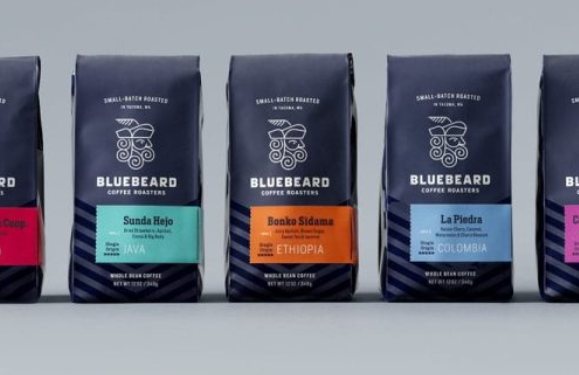
Before gaining in-depth understanding of the product, consumers have already formed an initial judgment based on its color. While this judgment is subjective, it is crucial in actual purchasing decisions. Furthermore, color affects brand recognition. If a brand consistently uses a consistent color scheme, consumers can quickly identify the brand even from a distance. This “visual memory” strengthens over time, forming a stable brand impression. Therefore, color is not only part of packaging design but also an important tool for brand communication.
The Core Role of Color in Packaging Design
The First Visual Entry Point to Attract Consumers’ Attention
On shelves or e-commerce pages, consumers are faced with a large number of similar products. In this environment, color is the most easily perceived visual element. If the packaging color is not prominent enough, it is easily overlooked. For example, high-contrast colors are usually more likely to attract attention, while a unified and clean color scheme is more likely to create a sense of sophistication. By using primary and secondary colors reasonably in the design, the product can stand out in a short time. The primary function of color is to help the product “be seen”.
Conveying Product Attributes and Functional Information
Color not only affects visual appeal, but also helps consumers quickly understand product attributes. For example, green is often used for health foods, blue is often used for technology products, and pink is often used for feminine care products. This long-term association between color and product category allows consumers to quickly form a judgment when they see the packaging, thereby reducing thinking time. Color here plays the role of “information translation”, making complex products easier to understand.
Shaping Brand Emotion and Positioning
Color can also help brands establish emotional positioning. Different color combinations convey different brand personalities. For example, warm colors tend to convey vitality and friendliness, while cool colors tend to convey rationality and professionalism. When a brand uses a fixed color system for a long time, consumers gradually associate that color with the brand. For example, seeing a certain color combination will automatically remind them of the corresponding brand. This emotional association significantly enhances brand memorability.
Enhancing the overall visual consistency of packaging
In the case of multiple product lines, color is an important tool for maintaining a sense of unity. If different products use completely different color systems, consumers will find it difficult to identify the brand affiliation. By establishing rules for primary and secondary colors, the entire product line can maintain visual consistency. Even if the product types are different, as long as the color system is unified, consumers can still quickly identify that it is a product of the same brand. This consistency is very important for the long-term development of a brand.
Influencing consumers’ purchasing emotions
The influence of color on emotions is subtle. For example, warm colors can stimulate appetite and purchasing impulses, while cool colors tend to lead to rational judgment. In packaging design, by using colors appropriately, the direction of consumers’ emotions can be guided. For example, bright colors on food packaging are more likely to promote purchases, while low-saturation colors on high-end products are more likely to enhance trust. Color here is not only a visual tool but also a psychological guide.
Strengthening Brand Memory and Recognition
Color is one of the easiest visual elements to remember. Compared to graphics or text, color is more likely to leave an impression on consumers. When a brand uses a stable color system for a long time, consumers can associate the brand even if they only see a portion of the color. This accumulation of visual memory is an important source of long-term brand competitiveness. The more stable the color, the stronger the brand recognition.
The Difference Between Reasonable and Chaotic Color Use
Reasonable color design usually has a clear main color tone and a unified visual principle, allowing consumers to quickly understand the product category and form a good impression. Chaotic packaging, on the other hand, easily causes visual interference, making it difficult for consumers to grasp the key points and even reducing trust. In terms of market performance, packaging with clear and unified colors is easier to recognize and remember, while packaging with messy colors is easily overlooked.
Common Questions about Packaging Colors
Q: Is more packaging color better?
A: No, more colors can actually cause more confusion.
Q: Will color affect product sales? A: Yes, color influences first impressions and purchasing emotions.
Q: Can brands change colors arbitrarily?
A: Frequent changes are not recommended, as they can negatively impact brand recall.
Q: What colors are typically used for high-end packaging?
A: Low-saturation or neutral colors are usually used.
Color Application in Different Products
For example, health foods often use green and white to convey a sense of naturalness and safety; beverages often use highly saturated colors to enhance vitality; high-end skincare products typically use black, white, or gold tones to reinforce a sense of quality; and children’s products often use bright, colorful colors to increase appeal. These examples illustrate that different colors play different emotional and functional roles in packaging.
Color in product packaging design is not merely visual decoration, but a crucial bridge connecting consumer emotions, product information, and brand perception. From attracting attention and conveying information to shaping the brand, color plays a vital role in every step. Only by using color systems appropriately can packaging be both attractive and clearly expressive, thereby creating stronger competitiveness and brand recognition in the market.

