
What Should Be Considered When Customizing Drop Boxes for Electronic Products?

When transporting and delivering electronic products, selecting and customizing the right drop box is essential. Electronic products often contain delicate circuits, fragile components, and high-value parts, which are easily damaged by shocks, pressure, or static electricity during logistics. Customized drop boxes can be designed specifically for the characteristics of electronic products, providing protection, safety, and an enhanced user experience. The following outlines key considerations when customizing drop boxes for electronic products.
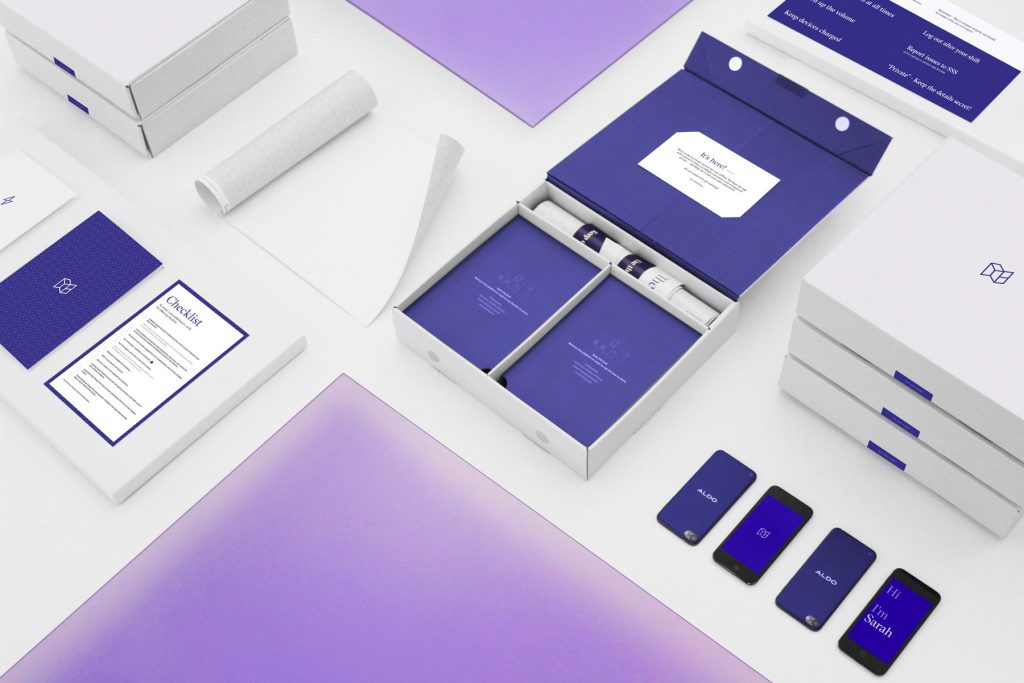
Size and Internal Structure Design
Proper size and internal layout effectively protect electronic products, preventing movement or collisions during transit.
- Precisely match product dimensions:Customize the box according to product shape to minimize empty space and reduce internal movement.
- Shock-absorbing liners or divider design:Use foam, molded inserts, or partitions to secure products and absorb shocks.
- Layered or partitioned compartments:For multiple products or accessories, divide the internal space appropriately to prevent collisions or friction.
- Optimize loading sequence:Arrange items according to transportation and delivery workflow to improve handling efficiency and reduce damage risk.
Material Selection and Protective Performance
Electronic products are sensitive to external conditions, and the material of the drop box directly affects protection.
- High-strength cardboard or composite materials:Enhance compression resistance to withstand stacking and handling pressure.
- Anti-static materials:Protect sensitive electronic components from static damage.
- Moisture-proof and damp-proof design:Critical for items like LCD screens or semiconductors that are vulnerable to humidity.
- Lightweight material choice:Ensure protection while controlling overall weight to reduce shipping costs.
Unboxing Experience and Brand Presentation
Beyond protection, drop boxes also convey brand image and influence user experience.
- Easy-open design:Incorporate convenient closures to allow consumers to access products smoothly.
- Neat and organized internal layout:Use support structures or trays to keep products neatly arranged, enhancing the visual appeal of unboxing.
- Brand logos and instructional labels:Print brand marks, usage instructions, or cautionary information on the box or liner to convey professionalism.
- Opening guidance or secondary protection tips:Provide simple instructions to ensure correct handling and reduce accidental damage.
Match Logistics Environment and Transport Methods
Electronic products are transported in various ways, and different environments impose distinct requirements on drop boxes.
- Long-distance shipping:Use sturdy, well-cushioned custom boxes to reduce the risk of shocks and impacts.
- Express delivery or high-frequency shipments:Standardized custom boxes maintain consistency and security through multiple handling stages.
- Storage and stacking safety:Design boxes with adequate load-bearing capacity to prevent deformation or compression during stacking.
- Sorting and multi-stage handling:Enhance shock resistance and internal fixation to ensure products remain safe and stable through repeated handling and sorting.
By carefully designing size and internal structures, selecting appropriate materials, optimizing the unboxing experience, and matching actual logistics conditions, companies can provide highly protective and professional custom drop box solutions for electronic products. Partnering with professional customization providers such as insPackaging allows businesses to create tailored drop boxes based on product characteristics, transport methods, and brand requirements, ensuring safe delivery while enhancing user experience and brand value.

