
Which product types are suitable for perforated packaging boxes?

In packaging design, perforated packaging boxes are a visually appealing and functional way to showcase the product. By creating partial openings or graphic cutouts in the box, consumers can directly see a portion of the product, resulting in a more intuitive experience. This design adds depth to the packaging and strengthens the trust relationship between the product and the consumer. Compared to completely sealed packaging, perforated packaging more easily conveys “visible” product information. Perforated design allows products to differentiate themselves on the shelf while reducing consumer concerns about product quality. In many cases, consumers are more likely to be interested in purchasing when they can directly see the product. This is especially true for products emphasizing freshness, craftsmanship, or aesthetic appeal. However, not all products are suitable for perforated packaging. Because perforations can affect the sealing and protective capabilities of the packaging, this structure is unsuitable if the product requires complete sealing or high levels of transport protection. Therefore, the decision to use a perforated structure must be based on product characteristics, the sales environment, and transportation conditions.
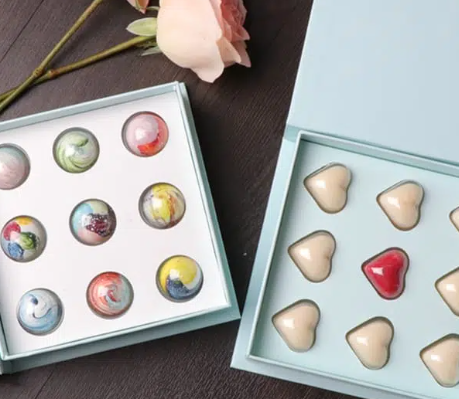
Food Products
Food is one of the most common product types to use perforated packaging. In food packaging, consumers pay close attention to the freshness and appearance of the product. Perforated windows allow consumers to directly see the color, shape, or texture of the food inside, enhancing trust.
Common applications include: cookie or pastry boxes, chocolate gift boxes, and candy packaging.
These products already have good visual appeal; perforated designs enhance their display, allowing consumers to understand the product quality at a glance.
Baked Goods
Baked goods typically have high visual appeal, making them ideal for perforated packaging.
Examples: handmade cookies, cake gift boxes, and bread gift boxes.
Perforated windows showcase the color and texture of the food, adding a “freshly baked” feel. Many bakery brands incorporate transparent windows or perforated graphics into their box lids to reinforce the handcrafted atmosphere.
Gift Products
Gift packaging emphasizes a sense of occasion and visual sophistication. Perforated designs, through intricate patterns or decorative graphics, make the packaging appear more exquisite. For example, floral or patterned perforations are common in holiday gift boxes.
Common gift options include:
• Holiday food gift boxes
• Handicraft gift boxes
• Cultural and creative product gift boxes
Openwork designs not only enhance the decorative appeal but also create a layered effect through internal colors, making the overall design more artistic.
Toy Products Toy packaging often uses openwork designs
When children choose toys, they often want to see what the product itself looks like. If the packaging is completely closed, it may reduce their interest in purchasing. Openwork structures allow consumers to see the toy’s color and shape while maintaining the basic protective function of the packaging. Many toy boxes feature a large display window on the front.
Handicrafts Handicrafts emphasize detail and texture
Examples: Handmade soaps, handmade candles, handmade jewelry.
These products often have unique appearances, and openwork packaging can directly showcase the product’s texture or shape. Consumers are more likely to appreciate the value of handcrafted items after seeing the actual product.Cultural and Creative Products Cultural and creative products typically possess design and artistic attributes. Openwork designs can become part of the packaging’s visual appeal. Examples: Stationery gift boxes, creative ornaments, and art souvenirs. By using cutouts to interact with the product inside, the packaging itself can become a design highlight, enhancing the product’s cultural appeal.
Cosmetic Gift Boxes
Cutout designs are also used in some cosmetic gift boxes. Especially in gift box packaging, showcasing the bottle or part of the product through cutout windows can enhance the overall sophistication. Examples include perfume gift boxes, skincare gift boxes, and beauty sets. This design maintains the overall integrity of the packaging while allowing consumers to preview the product.
In packaging design, cutout boxes are suitable for product types that are visually appealing, need to showcase product details, or emphasize authenticity. Food, baked goods, gifts, toys, handicrafts, and cultural and creative products are all common applications of cutout packaging. By designing the shape and placement of cutouts appropriately, the packaging can be visually more layered, while enhancing the product display effect. The value of cutout packaging lies in enhancing product visibility, increasing visual appeal, and strengthening consumer trust. Choosing the right product type and combining it with material and structural design can maximize the effect of cutout packaging, making it not only protective but also an important part of product display.

