
Why has eco-friendly packaging design become a new industry direction?

Eco-friendly packaging design is rapidly becoming an important direction in the global packaging industry. It is not only a reflection of corporate social responsibility but is also gradually influencing brand competitiveness and consumer choices. With increasing environmental awareness and stronger policy regulations, traditional single-use and highly polluting packaging is being replaced by recyclable, biodegradable, and low-carbon materials. Eco-friendly packaging is no longer just an “optional feature,” but one of the fundamental elements for brands to maintain long-term competitiveness in the market.
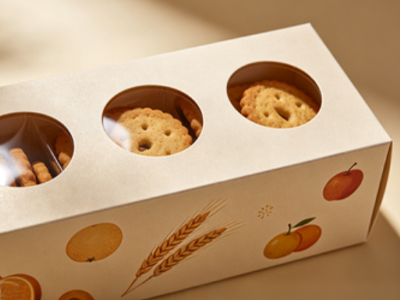
Main reasons for the rise of eco-friendly packaging
The shift toward eco-friendly packaging is mainly driven by the following factors:
Stronger environmental policies: many countries restrict plastic and non-degradable materials
Increased consumer awareness: consumers are more willing to choose eco-friendly brands
Corporate cost optimization needs: recyclable materials reduce long-term costs
Brand image upgrading: sustainability has become a key brand value label
Common material comparison table:
| Material Type | Environmental Level | Cost | Application Scenarios |
| Regular plastic | Low | Low | Single-use packaging |
| Biodegradable materials | High | Medium | Food / daily chemicals |
| Recycled paper | High | Low–Medium | Gift boxes / outer packaging |
| Bio-based materials | Very high | Medium–High | High-end brands |
Advantages of eco-friendly packaging
Traditional packaging focuses more on cost and visual performance, often using plastic and composite materials. Although inexpensive, they are difficult to recycle and create a heavier environmental burden. In contrast, eco-friendly packaging emphasizes recyclability and biodegradability. Even if it may slightly increase design costs, it is more aligned with long-term sustainable development. In addition, eco-friendly packaging often adopts a simpler design approach, reducing unnecessary decoration and structural waste, resulting in a more natural and restrained overall style.
Common questions
Q: Is eco-friendly packaging always more expensive?
A: It may be slightly higher at the initial stage, but long-term costs can be reduced through scaling.
Q: Does eco-friendly packaging affect product aesthetics?
A: No, it often creates a more minimalist and premium visual style.
Q: Do consumers really care about eco-friendly packaging?
A: Yes, increasingly so, especially among younger consumer groups.
Industry applications of eco-friendly packaging
In the food industry, many brands have started using biodegradable paper boxes instead of plastic containers. In the beauty industry, recyclable glass bottles are combined with recycled paper boxes. In the e-commerce sector, shipping packaging is gradually reducing plastic fillers and replacing them with honeycomb paper and paper tape. These changes not only reduce environmental impact but also enhance a brand’s social responsibility image, making it easier for consumers to build trust.
The reason eco-friendly packaging design has become a new industry direction is fundamentally the result of combined environmental pressure, policy support, and consumption upgrading. It not only changes the choice of packaging materials but also drives a transformation in overall design direction—from “over-packaging” to “necessary and sustainable packaging.” This shift makes packaging no longer just a product shell, but an important expression of brand value and social responsibility.

